18-YEAR-OLD KATSINA GIRL FLEES COMMUNITY AFTER REPORTED FORCED MARRIAGE TO BANDIT LEADER
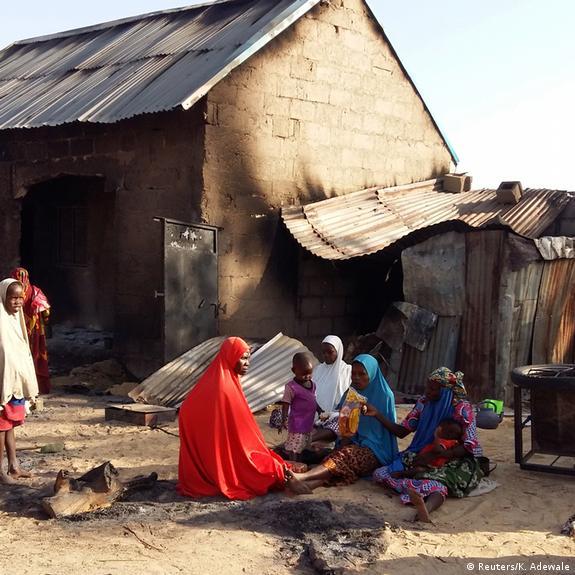
An 18-year-old woman identified as Amina Sulaiman has reportedly fled Dan Marke in Katsina State after her guardians accepted a marriage proposal from a bandit leader known as Babaye, who allegedly threatened to burn the community if the marriage was rejected. Amina said she repeatedly refused the proposal, alleged that Babaye previously assaulted her, and escaped before the planned wedding. She is reported to have been taken into protective custody by members of the Civilian Joint Task Force in Funtua.
An 18-year-old woman from Katsina State has fled her community after relatives reportedly agreed to marry her to a notorious bandit leader who allegedly threatened to burn down their village if his proposal was rejected. The young woman, identified in several reports as Amina Sulaiman, escaped from Dan Marke in Dan Musa Local Government Area before the planned wedding and later came under the protection of members of the Civilian Joint Task Force in Funtua, where she publicly described how fear of armed violence had left her guardians unwilling to resist the proposed marriage.
Amina’s account has drawn renewed attention to the extent of insecurity in some rural communities in Katsina, where armed groups have for years exercised influence through kidnappings, killings, extortion and threats against residents. In this case, the alleged coercion went beyond demands for money or livestock and reportedly extended into an attempt by a bandit leader to force a young woman into marriage through intimidation directed not only at her but at the entire community around her.
The man at the centre of the allegation is known as Babaye and is described in local reports as a bandit leader operating around the Dan Musa axis. Amina said he approached members of her family and expressed his intention to marry her, despite her lack of consent. Her guardians reportedly accepted the proposal because they feared the consequences of refusing a man associated with armed violence in the area.
According to Amina, the pressure intensified after Babaye allegedly threatened to burn down the village if anything prevented the marriage from taking place. That threat appears to have placed her relatives in an extremely difficult position because resistance could potentially expose other residents to retaliation. Community members in parts of Katsina have previously described situations in which armed men use threats against entire settlements to enforce demands involving money, livestock, food, access or cooperation.
Amina said her guardians eventually accepted the proposal and collected the dowry and other marriage gifts brought by the alleged bandit leader. She, however, continued to reject the arrangement and said she had made her opposition clear repeatedly. Her account suggests that the marriage preparations continued not because she changed her mind but because her relatives believed they had little practical ability to resist the armed man.
In a Hausa-language interview circulated by the Civilian Joint Task Force office in Funtua, Amina said she could not imagine becoming the wife of someone widely known in the area as a bandit. She described the idea as completely unacceptable and said she was prepared to risk her own life rather than enter the marriage. Her words have become central to the story because they demonstrate that the proposed marriage was not a voluntary family arrangement but one she says she consistently rejected.
Amina also alleged that Babaye had previously assaulted her during one of their encounters. She said he struck her on the shoulder after she told him she did not love him and did not want to marry him, leaving her with an injury that continued to affect her ability to lift heavy objects. That allegation adds a direct element of physical violence to the wider claim of coercion and reinforces the seriousness of her fear about what could happen if she remained in the community.
Her guardians were reportedly unwilling to deliver her rejection directly to the bandit leader because they feared his response. Instead, Amina said they asked her to communicate her refusal herself, despite the possibility that he could attack or kill her. Faced with that situation, she decided that remaining in the village had become too dangerous and fled before the wedding could take place.
Reports differ slightly on the exact circumstances of her escape, but the consistent account is that she travelled away from Dan Marke and was eventually assisted by local security personnel connected to the Civilian Joint Task Force. She was then transferred to the organisation’s zonal office in Funtua, where officials provided temporary protection and allowed her to explain her situation publicly.
The Civilian Joint Task Force has become an important community security structure in several parts of northern Nigeria, working alongside formal security agencies in areas affected by banditry and other forms of armed violence. Such groups are often composed of local residents familiar with communities, routes and forest terrain, making them valuable sources of intelligence and immediate protection where official security personnel may be thinly deployed.
Amina’s case demonstrates why those local networks can be particularly important for vulnerable civilians. A young woman fleeing an alleged forced marriage to an armed criminal may not be able to travel directly to a police or military formation, particularly if she fears being intercepted or returned to relatives under pressure. The fact that she encountered members of the Civilian JTF appears to have provided her with a path to immediate safety.
The case also raises serious questions about the protection available to women and girls living in communities where armed groups operate with substantial influence. Forced marriage is itself a serious violation of personal autonomy, but the coercive power of an armed bandit leader makes resistance even more dangerous because the threat can extend beyond the individual woman to relatives and neighbours.
In rural areas affected by insecurity, families may face impossible choices between protecting their daughters and protecting entire communities from retaliation. That does not make forced marriage acceptable, but it helps explain how armed groups can use fear to impose demands that would otherwise be rejected. Where state security is weak or absent, violent actors can begin exercising forms of social control that go far beyond conventional criminal activity.
Amina’s reported experience illustrates that phenomenon clearly. Babaye’s alleged threat was not simply that he would harm her if she refused him. He was said to have threatened to burn the entire village, effectively turning one young woman’s personal decision into a collective security crisis.
That type of coercion can silence communities because residents may fear that openly supporting a victim will bring punishment on everyone. Families may therefore comply outwardly while privately opposing what is happening, particularly where bandits are armed and security intervention is uncertain.
Local accounts from Katsina have repeatedly described bandits imposing demands on villages over the past decade. Residents have reported being forced to provide food, money, livestock and information, while kidnappings for ransom have become one of the most visible forms of criminal activity.
Dan Musa is among the local government areas that have experienced recurring bandit activity. Its rural communities and surrounding forest areas have been used by armed groups moving between settlements and hideouts, while repeated security operations have attempted to disrupt those networks. The persistence of attacks despite those operations shows how difficult the problem remains.
The wider Katsina security crisis has evolved over many years. What initially involved cattle rustling and armed robbery expanded into organised kidnapping, village attacks and control of rural routes. Some groups later developed sophisticated command structures and relationships with local informants, allowing them to identify wealthy residents, monitor security movements and exert pressure on communities.
The result has been a security environment in which ordinary residents sometimes negotiate directly with armed groups simply to survive. Communities have entered informal peace arrangements in some areas, while others continue relying on military operations and local vigilantes.
Such arrangements remain controversial because they can reduce violence temporarily but may also legitimise armed groups or leave victims without justice. Where bandit leaders retain weapons and territorial influence, they can continue demanding concessions even during periods described as peaceful.
The reported attempt to force Amina into marriage should therefore be understood within that broader context. If the allegations are accurate, Babaye was able to make the proposal not simply because he personally wanted to marry her but because his reputation for violence gave the request coercive force.
Her relatives reportedly believed that refusing him could have consequences for the entire village. That fear demonstrates the extent to which insecurity can distort ordinary social and family decisions.
Marriage ordinarily requires consent from the people entering it. Where a woman agrees only because refusal could lead to violence against herself or others, the arrangement cannot reasonably be described as genuinely voluntary.
Nigeria’s legal framework and international obligations recognise the importance of consent in marriage and the protection of women from coercion. However, enforcement becomes extremely difficult in areas where armed groups challenge the authority of the state.
The presence of bandits can effectively replace formal law with fear. Residents may know that a demand is unlawful or abusive but still comply because they do not believe security forces can protect them from retaliation.
That gap between legal rights and practical protection is one of the biggest problems facing communities affected by banditry. Amina’s decision to run away represents an individual attempt to escape that environment, but many others may not have the same opportunity.
Her public testimony also carries risks. By identifying the alleged bandit leader and describing the threat openly, she has potentially made herself a target for retaliation if adequate protection is not maintained.
That means the immediate responsibility of security authorities extends beyond documenting her account. They must also ensure that she is not returned to an unsafe environment or exposed to pressure from relatives, community leaders or armed actors.
Reports indicate that she has said she does not want to return to Dan Marke under the present circumstances. She has reportedly told those assisting her that she would rather remain alone than be forced to marry a man she considers a criminal.
That position should be treated seriously because returning her without credible security guarantees could simply recreate the danger she fled. Authorities will need to assess whether the alleged threat against the community remains active and whether Babaye’s group continues operating in the area.
The safety of the wider village is also important. If the bandit leader genuinely threatened to burn the community because the marriage did not take place, residents could face collective retaliation following Amina’s escape.
That possibility should trigger preventive security measures rather than waiting for an attack. Police, military personnel and local security structures may need to increase surveillance around the affected settlements and monitor movement by armed groups.
The case therefore has both a personal protection dimension and a broader counterterrorism dimension. Protecting Amina alone would be insufficient if the community she escaped from remains exposed to retaliation.
Local officials and security agencies have not yet publicly provided a detailed operational account explaining what protection measures are in place. That absence of information does not necessarily mean nothing is being done, since security plans may not be disclosed publicly, but it does leave unanswered questions about the level of risk facing residents.
The reported involvement of the Civilian JTF is encouraging in the sense that Amina was able to find people willing to assist her, but community security groups cannot carry the entire burden. Formal state authorities retain responsibility for investigating allegations of threats, assault and criminal coercion.
If investigators confirm Babaye’s involvement, the allegations could include more than attempted forced marriage. Threatening to burn a community, physically assaulting a young woman and using armed intimidation could constitute serious criminal offences.
The fact that Babaye is described as a notorious bandit leader also means authorities may already have intelligence or investigations concerning his activities. Amina’s testimony could potentially provide additional information about his location, associates or patterns of movement.
Law enforcement agencies will need to handle any such intelligence carefully because the priority should remain her safety rather than treating her merely as a source of operational information. Victims of coercion and violence require protection, medical support and psychological assistance alongside criminal investigation.
Her reported shoulder injury may also require medical assessment. If she was assaulted and continues to experience difficulty lifting objects, treatment and documentation could become important both for her health and for any future legal proceedings.
Medical records can also provide independent evidence where allegations of physical violence are contested. That does not automatically prove who caused an injury, but it can corroborate aspects of a victim’s account.
The public attention surrounding the case may increase pressure on Katsina authorities to intervene decisively. Viral stories involving young women and bandit leaders often generate strong public reaction because they illustrate how insecurity affects ordinary life in ways that statistics about attacks and kidnappings do not fully capture.
Amina’s account humanises the crisis by showing that armed groups can influence decisions inside homes and families, not simply on highways or in forests. The threat of violence can reach into marriage, relationships and basic personal freedom.
That form of coercion may be less visible than mass abduction but can be equally damaging. Communities living under such pressure may lose the ability to make independent decisions because every disagreement carries the possibility of armed retaliation.
The story also raises questions about the vulnerability of orphaned young women. Reports indicate that Amina’s father is deceased and that she was raised by his relatives. Without parents able to advocate directly for her, she may have been especially exposed to decisions made by guardians under pressure.
It would be unfair, however, to assume that her relatives actively wanted to harm her. The available accounts suggest they themselves feared the alleged bandit leader and may have accepted the marriage because they believed refusal would endanger everyone.
That distinction matters because the primary source of coercion, according to Amina’s account, was the armed threat attributed to Babaye. The family’s conduct may still deserve scrutiny, particularly if they attempted to force her despite her refusal, but the surrounding context of fear should be acknowledged.
The case therefore illustrates how banditry can transform victims into unwilling participants in the coercion of other victims. A family threatened by an armed group may in turn pressure a daughter because they believe compliance is the only way to protect the community.
Breaking that cycle requires effective state protection. Families need confidence that refusing criminal demands will not leave them defenceless.
Where security forces respond quickly and consistently, communities are more likely to resist extortion and intimidation. Where protection is weak, armed groups gain leverage because residents know they may have to face consequences alone.
Katsina authorities have experimented with both security operations and community peace agreements in recent years. Some local leaders say violence has declined in areas where arrangements with armed groups are holding, while others warn that isolated attacks and criminal activity remain.
Dan Musa continues to appear in reports involving kidnappings and armed incidents despite broader peace efforts in parts of the state. That suggests any improvement remains fragile and uneven across communities.
Amina’s account reinforces the argument that reduced shooting or kidnapping numbers do not necessarily mean armed groups have lost influence. Criminal control can persist through threats and social intimidation even when open attacks decline.
A bandit leader who can allegedly demand marriage and threaten an entire village still exercises significant power regardless of whether he is carrying out frequent mass raids. Security should therefore be measured not only by the number of recorded attacks but also by whether residents can make ordinary decisions without fear.
The case may also prompt renewed discussion about how local peace agreements are monitored. If communities negotiate with armed groups, authorities need safeguards to ensure those groups do not use periods of reduced fighting to impose demands privately.
Peace arrangements that allow residents to farm or travel safely can provide immediate relief, but they become problematic if armed leaders retain unchecked authority over personal and community affairs.
For Amina, those wider policy debates are secondary to the immediate question of safety. She has made clear through her public account that she does not consent to the marriage and does not want to return to circumstances where it could be imposed.
Authorities should therefore treat her as a person seeking protection from a credible threat rather than simply someone involved in a family dispute.
The reported threat of violence makes this fundamentally different from an ordinary disagreement over marriage. The involvement of an alleged bandit leader and the possibility of retaliation place the case firmly within the wider security crisis affecting Katsina.
Her decision to flee appears to have prevented the marriage from going ahead, at least for now. The challenge is ensuring that the escape becomes a genuine path to safety rather than only a temporary interruption before renewed pressure.
Security personnel may also need to protect individuals who helped her leave or publicly discussed the case. Armed groups sometimes retaliate against informants, vigilantes or community members who are seen as assisting security agencies.
The Civilian JTF members who received her may therefore also face risks depending on the strength and proximity of Babaye’s group. Coordination with police and military units will be essential if threats emerge.
The national government also has an interest in cases like this because they demonstrate the wider human consequences of banditry in the North West. Federal security policy is often evaluated through numbers of bandits killed or hostages rescued, but public confidence depends equally on whether ordinary people feel free from intimidation.
A young woman should not have to choose between an unwanted marriage and fleeing her home because an armed man threatens her community. The fact that Amina reportedly faced that choice shows how deeply insecurity can penetrate civilian life when armed groups remain powerful.
The case may eventually produce a criminal investigation, security operation or official protective arrangement, but those developments should be reported carefully as they emerge. At present, the strongest verified account comes from Amina’s own testimony and reports citing the Civilian Joint Task Force.
Some details vary across publications, including whether she was first found in Dan Musa town or travelled directly toward Funtua, and whether her guardians are described as parents or relatives. The more consistent reporting identifies her as an orphan raised by her late father’s family.
That correction is important because professional reporting should not repeat details simply because they appeared in an initial social media post. Her family circumstances, the location and the nature of the alleged threat all affect how the story is understood.
There is also no public court finding establishing that Babaye committed the alleged acts. He is described in reports and community accounts as a bandit leader, but the specific allegations concerning the marriage threat and assault remain accusations based primarily on Amina’s testimony and local reporting.
Responsible coverage should therefore attribute those claims while taking the seriousness of her account fully into consideration. The absence of a court judgment does not make the danger insignificant, but it does require careful language.
The immediate priority should be her protection and the protection of Dan Marke residents. If the threat to burn the community remains active, security agencies have an opportunity to intervene before intimidation becomes another deadly attack.
Amina’s escape has already achieved one thing that her relatives reportedly felt unable to do. It interrupted a marriage she says she never wanted and brought the alleged coercion into public view.
Whether that leads to lasting safety will depend on what authorities do next. Her story has exposed how an armed criminal can allegedly use fear to influence a family and an entire community, and it now places responsibility on the state to ensure that refusing such a demand does not carry a death sentence.
For communities across Katsina that have lived under similar threats, the case carries wider significance. It shows both the vulnerability created by weak security and the possibility of resistance when victims find protection.
Amina’s reported words capture that resistance clearly. She has said she would rather remain on her own than enter a marriage imposed by a man whose activities she associates with violence and criminality.
Her escape does not resolve the wider crisis in Dan Musa, but it has turned a private act of coercion into a public test of whether Nigerian authorities can protect citizens who refuse to submit to armed intimidation.