
NIGERIA WOULD NOW SPEND ₦21 TRILLION A YEAR ON PETROL SUBSIDY LOKPOBIRI SAYS
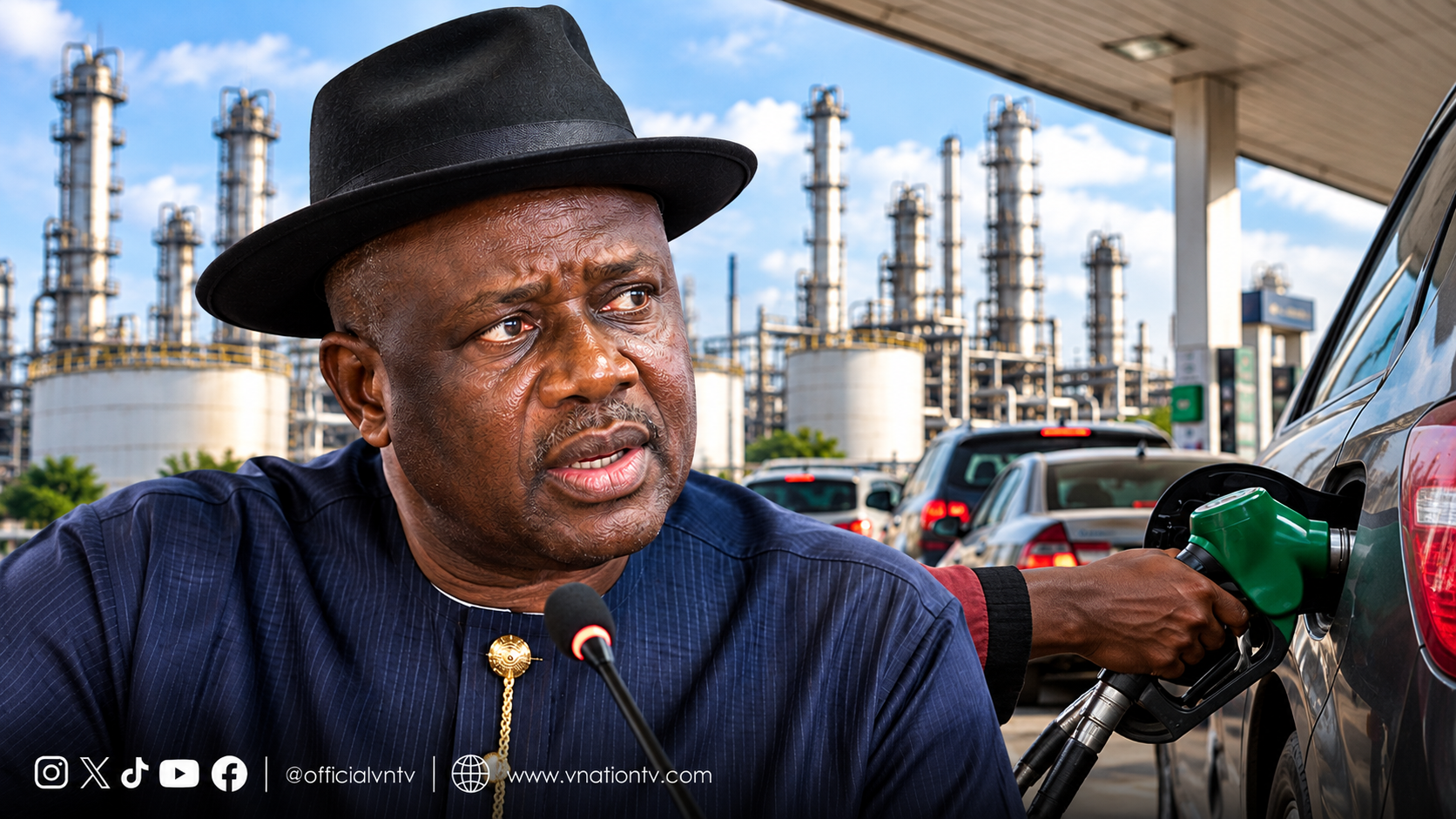
Nigeria would be spending about ₦21 trillion annually on petrol subsidy if the previous system had remained in place, according to an estimate by Minister of State for Petroleum Resources Heineken Lokpobiri. The minister used the figure to defend President Bola Tinubu's decision to end the subsidy in 2023 as debate over soaring fuel prices returns to the centre of Nigerian politics.
Nigeria would be spending an estimated ₦21 trillion a year on petrol subsidy at current exchange rates if the previous system had been retained, Minister of State for Petroleum Resources Heineken Lokpobiri has said, defending one of President Bola Tinubu's most consequential economic reforms as Nigerians contend with rising fuel costs.
Lokpobiri made the estimate during an interview on Channels Television's Politics Today, where he argued that continuing to subsidies petrol would have imposed an increasingly unsustainable burden on government finances.
The ₦21 trillion figure is the minister's estimate rather than an independently established calculation of what the subsidy would currently cost.
Lokpobiri based his calculation on a figure provided by former Finance Minister Zainab Ahmed in 2023, when she told the House of Representatives that Nigeria was spending approximately ₦18.4 billion a day on petrol subsidy.
According to Lokpobiri, that amount was equivalent to about $41 million a day at the exchange rate at the time, or approximately $15 billion annually.
He then applied an exchange rate of roughly ₦1,400 to the dollar to that annual dollar figure, producing an estimated cost of about ₦21 trillion.
The calculation assumes that the dollar value of the previous subsidy burden would have remained broadly unchanged, even though fuel consumption, crude prices, exchange rates, domestic refining and other factors that determine subsidy costs can change over time.
GOVERNMENT DEFENDS 2023 DECISION
Tinubu announced an end to petrol subsidy when he took office in May 2023, accelerating a shift toward market based fuel pricing.
The decision contributed to a sharp increase in pump prices and transportation costs and became one of the defining economic policies of his administration.
Lokpobiri acknowledged the financial pressure higher energy prices are placing on Nigerian households but argued that maintaining the old subsidy regime would have created an even greater fiscal problem.
He also said the Petroleum Industry Act provides for petroleum products to be priced under free market conditions, arguing that the government no longer directly determines the retail price of petrol.
Crude oil and refined petroleum products are internationally traded commodities, Lokpobiri said, meaning changes in global energy markets affect prices paid by Nigerian consumers.
His comments come as the cost of petrol has again become a major national issue, with opposition politicians proposing alternative forms of government intervention to reduce prices.
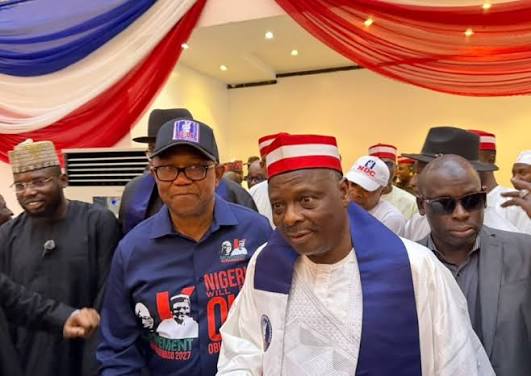
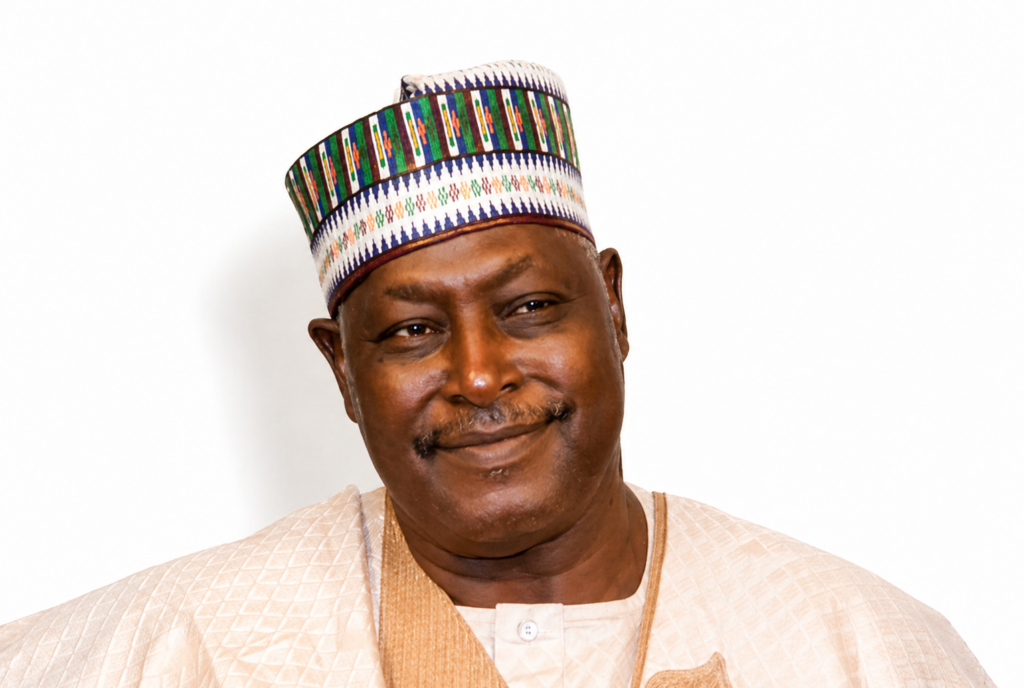
Former Vice President Atiku Abubakar has proposed a production subsidy for locally refined petrol, while opposition figures Peter Obi and Rabiu Kwankwaso have also signaled support for policies aimed at lowering the cost of fuel.
The Tinubu administration has rejected calls for a return to petrol subsidy and instead promoted compressed natural gas and other alternatives as a way to reduce transportation costs and Nigeria's exposure to global fuel price shocks.
WHERE THE GOVERNMENT SAYS THE SAVINGS WENT
Lokpobiri also addressed questions over what happened to money that would previously have been used to subsidies petrol.
He said part of the financial benefit can be seen in larger allocations distributed among the federal, state and local governments through the Federation Account Allocation Committee.
Recent monthly FAAC distributions have exceeded ₦2 trillion, and Lokpobiri argued that the higher allocations have provided state governments with greater financial capacity.
The minister also denied that the federal government continues to pay or reimburse petrol subsidy through the Nigerian National Petroleum Company or another mechanism.
His assertion forms part of the government's broader defense of deregulation, which it says has created conditions for increased private investment in domestic refining.
But for many Nigerians, the immediate debate remains focused on affordability.
Higher petrol prices affect not only motorists but transportation, food distribution, manufacturing and other parts of the economy, allowing increases at the pump to feed into household expenses.
That pressure has ensured that petrol subsidy, more than three years after Tinubu announced its removal, remains a central economic and political issue.
Lokpobiri's ₦21 trillion estimate provides the government's latest argument for why it believes returning to the previous subsidy system would be financially unsustainable.
But as competing political camps put forward different proposals for lowering fuel costs, the debate is increasingly shifting from whether Nigerians need relief to how that relief should be delivered and how much the government can afford.