POLICE ARREST 30-YEAR-OLD MAN OVER ALLEGED EXHUMATION OF CORPSE AT KEBBI CEMETERY
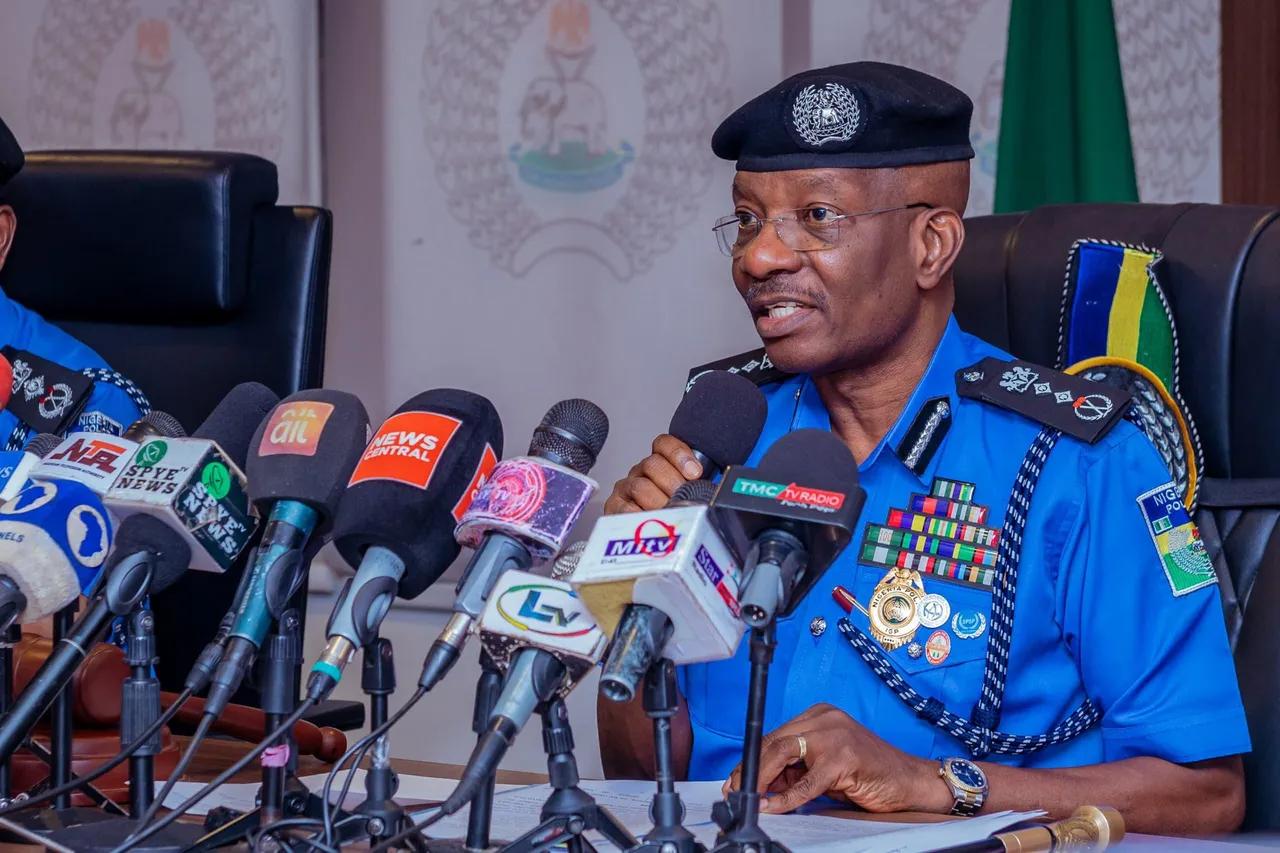
The Kebbi State Police Command has arrested 30-year-old Tapro Tareza over the alleged desecration of a grave at Machika Cemetery in Ribah. According to a statement attributed to Police Public Relations Officer SP Bashir Usman, the suspect was apprehended at approximately 7:15 p.m. on November 10, 2026, while allegedly digging into the grave of a recently deceased person following a surveillance operation conducted by police officers in collaboration with community youths. The operation followed earlier reports of grave vandalism at the cemetery, although the suspect’s motive, possible involvement in previous incidents and any formal criminal charges remain unconfirmed.
The Kebbi State Police Command has announced the arrest of a 30-year-old man identified as Tapro Tareza over the alleged desecration of a grave at Machika Cemetery in Ribah, following repeated reports of suspicious activities and grave vandalism within the community. The suspect was reportedly apprehended on November 10, 2026, after police officers working in collaboration with local youths mounted surveillance at the cemetery in response to growing concerns about the disturbance of burial sites. According to a statement attributed to the command’s Police Public Relations Officer, Superintendent of Police Bashir Usman, Tareza was discovered digging into the grave of a recently deceased individual shortly after the burial had taken place. The arrest has raised serious concerns about the protection of burial grounds and the circumstances surrounding previous incidents of grave desecration reported in the area.
The police spokesperson explained that security personnel had intensified monitoring of the cemetery following complaints about earlier incidents of grave vandalism. Rather than treating the reports as isolated occurrences, officers reportedly worked with members of the local community to establish surveillance intended to identify anyone responsible for disturbing burial sites. According to the police account, the operation resulted in the apprehension of Tareza at approximately 7:15 p.m. on November 10, when he was allegedly discovered digging into a newly prepared grave. Although the circumstances of the arrest have been outlined by the command, the available statement does not establish whether the suspect had successfully removed the remains of the deceased before he was apprehended.
The involvement of community youths in the surveillance operation highlights the role residents can play in supporting law enforcement, particularly in communities where police resources must be distributed across extensive geographical areas. Local residents are often among the first to notice unusual activities, report disturbances and provide information that assists criminal investigations. In Ribah, the collaboration reportedly enabled police officers to intervene following complaints that graves within the cemetery had previously been vandalized. Such cooperation can strengthen community security when conducted under appropriate police supervision, ensuring that suspects are apprehended through lawful procedures rather than subjected to mob violence or extrajudicial punishment.
The circumstances surrounding the alleged offense are particularly disturbing because cemeteries occupy an important religious, cultural and emotional position within Nigerian society. Burial grounds are regarded by many communities as sacred resting places where deceased individuals are entitled to dignity and respect, regardless of their social status or circumstances of death. Interference with a grave can therefore cause considerable distress to bereaved families, especially when it occurs shortly after relatives have completed funeral rites and begun confronting the loss of a loved one. The reported incident at Machika Cemetery is especially sensitive because the grave allegedly targeted by the suspect belonged to someone whose burial had taken place earlier that same day.
Investigators will need to establish why Tareza was allegedly attempting to access the grave and whether there is evidence connecting him to previous incidents reported at the cemetery. The existence of earlier complaints does not independently establish that the same individual was responsible for every act of vandalism, and any such connection would require supporting evidence. Police may also need to determine whether the alleged offense involved other individuals or whether the suspect was acting independently. At this stage, no independently verified information establishes the involvement of an organized criminal network, the removal of human body parts or the existence of a financial arrangement connected to the alleged activity.
Cases involving the disturbance of graves frequently generate speculation about ritual practices, illegal trade in human remains and other forms of criminal activity, particularly when details of an investigation have not been made public. However, the seriousness of those possibilities makes responsible reporting especially important, as circulating unsubstantiated allegations can create unnecessary panic and prejudice criminal proceedings. The information currently available establishes that police reportedly apprehended a man while he was digging into a grave, but it does not provide sufficient evidence to determine his motive. Until investigators disclose additional findings, any suggestion that the alleged conduct was connected to ritual activities should be treated as unverified speculation rather than an established fact.
The unlawful interference with human remains can attract criminal liability under applicable Nigerian laws, depending on the circumstances of the offense and the legal provisions under which prosecutors proceed. Such cases may involve allegations relating to the desecration of burial places, unlawful interference with corpses or conduct that violates public decency and the dignity of deceased persons. The precise charges, however, must be determined by the relevant prosecuting authorities after examining the evidence gathered during the investigation. No verified charge sheet or court judgment concerning Tareza was available at the time of publication, and the suspect remains entitled to the presumption of innocence.
Beyond the immediate criminal investigation, the incident raises broader questions about the security and management of cemeteries within local communities. Burial grounds are often situated in areas where permanent security personnel, adequate lighting and other protective infrastructure may be limited. Where repeated incidents of vandalism occur, community leaders and relevant authorities may need to consider additional protective measures, including improved monitoring, clearer reporting procedures and regular coordination with security agencies. Such arrangements must nevertheless respect the religious significance of cemeteries and the privacy of families visiting the graves of their relatives.
The case also demonstrates the importance of providing accurate information to affected families while police investigations continue. Relatives of individuals buried at Machika Cemetery may understandably be concerned about whether other graves have been disturbed and whether the authorities have established the extent of previous vandalism. Addressing those concerns will require careful examination of the affected burial sites and communication with community representatives, particularly where the discovery of additional disturbances could cause renewed emotional distress. Investigators must also preserve relevant evidence while ensuring that any examination of human remains is conducted lawfully and with appropriate respect for the deceased.
For the Kebbi State Police Command, the arrest represents an important development in its response to complaints from residents of Ribah, although the broader investigation remains necessary to determine the full circumstances surrounding the alleged offense. The collaboration between police officers and community youths reportedly resulted in the apprehension of a suspect, but establishing criminal responsibility will require evidence capable of supporting any charges brought before a competent court. The authorities have yet to publicly establish whether Tareza is connected to the earlier incidents of grave vandalism or whether additional suspects are being investigated.
As residents await further information from the police, the alleged incident serves as a reminder of the need to protect burial grounds and preserve the dignity of the deceased while ensuring that criminal investigations are conducted fairly and without speculation. For families who have entrusted the Machika Cemetery with the remains of their loved ones, the immediate priority is reassurance that burial sites will be protected against further interference. The outcome of the investigation will determine whether the reported arrest leads to criminal prosecution and whether authorities can establish responsibility for the previous incidents that prompted the surveillance operation in the first place.