

SHIP TRAFFIC PLUNGES THROUGH STRAIT OF HORMUZ AS SAUDI OIL EXPORTS RECOVER
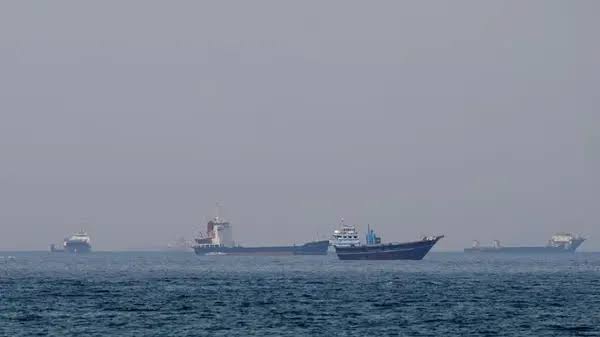
Visible commercial shipping through the Strait of Hormuz remains dramatically below pre conflict levels, with provisional data showing only a small number of trackable commodity vessels crossing over the weekend. Saudi oil exports have nevertheless recovered to more than 4 million barrels per day in September as the kingdom increases Gulf shipments and uses alternative transfer arrangements.
Commercial shipping through the Strait of Hormuz remains severely disrupted as the Middle East conflict continues, even as Saudi Arabia increases oil exports through the strategic waterway.
Latest provisional shipping data showed 17 trackable commodity vessels crossed the Strait of Hormuz over the weekend, compared with 37 the previous weekend.
Earlier data had put the figures at 12 vessels compared with 35 the previous weekend, highlighting the difficulty of measuring traffic through the waterway while some tankers operate with their tracking systems switched off.
The current level of visible traffic remains dramatically below conditions before the conflict, when approximately 125 large commercial vessels passed through the Strait of Hormuz each day.
VISIBLE SHIPPING FALLS TO A TRICKLE
The Strait of Hormuz was one of the world's busiest energy shipping corridors before the current conflict.
Around one fifth of global oil and liquefied natural gas supplies moved through the waterway before the war.
Shipping activity has since fallen sharply as security risks force operators to change routes, delay voyages or adopt alternative methods of moving cargo.
Ship tracking data does not provide a complete picture because some tankers are travelling with their Automatic Identification System transponders switched off.
This makes them difficult to track using conventional maritime monitoring systems.
SAUDI OIL EXPORTS RECOVER
Despite the sharp decline in visible vessel traffic, Saudi Arabia has managed to increase its crude oil exports.
Saudi oil exports have recovered to more than 4 million barrels per day so far in September after falling to approximately 2.4 million barrels per day in August.
The August level was the country's lowest in years.
Saudi Aramco has increasingly relied on Gulf export routes after disruption affected its ability to move crude through its Red Sea infrastructure.
The company has also expanded ship to ship transfers near Oman to keep crude flowing to international customers.
MILLIONS OF BARRELS MOVING THROUGH HORMUZ
Shipping data indicates that substantial quantities of crude continue to leave the Gulf despite the relatively small number of vessels visible through conventional tracking systems.
Very large crude carriers can transport approximately two million barrels of oil in a single voyage.
Saudi Arabia and other Gulf producers have increasingly used large tankers and offshore cargo transfers to maintain exports while reducing the number of individual voyages through vulnerable waterways.
China and other Asian markets remain major destinations for crude leaving the region.
RED SEA DISRUPTION CHANGES SAUDI EXPORT ROUTES
Saudi Arabia has also been forced to adjust its export strategy following attacks affecting the East West pipeline and growing security risks around Red Sea shipping routes.
The pipeline normally allows Saudi crude to bypass the Strait of Hormuz by moving oil from eastern production areas to the Red Sea port of Yanbu.
Disruption to that system has increased the importance of Gulf export terminals.
Saudi Aramco has consequently increased shipments through the Strait of Hormuz and expanded offshore transfers near Oman.
The company is expected to move approximately 60 million barrels through these arrangements during September and October, according to trade sources cited by Reuters.
TRANSPONDERS OFF COMPLICATE SHIPPING DATA
The actual number of vessels moving through Hormuz may be higher than publicly available tracking figures indicate.
Commercial vessels normally use Automatic Identification System transponders to transmit their location, identity, speed and direction.
During periods of heightened security risk, some operators switch those systems off to make vessels more difficult to locate.
This practice creates significant gaps in publicly visible shipping data.
The reported vessel totals should therefore be understood as trackable traffic rather than a complete count of every ship crossing the strait.
GLOBAL ENERGY MARKET REMAINS VULNERABLE
The disruption underscores the continuing vulnerability of global energy supplies to developments in the Middle East.
The Strait of Hormuz connects Gulf producers including Saudi Arabia, Iraq, Kuwait, Qatar and the United Arab Emirates with international markets.
Any prolonged disruption can affect crude oil, refined petroleum products and liquefied natural gas supplies.
Energy traders are therefore closely monitoring both the number of vessels crossing the waterway and the actual volume of oil reaching international markets.
OIL PRICES EASE AS SAUDI SUPPLY IMPROVES
Improved Saudi export flows have provided some relief to global oil markets.
Brent crude fell on Monday as traders responded to indications that Saudi supplies were recovering despite continued disruption across major Middle Eastern shipping routes.
The recovery demonstrates that vessel counts alone do not provide a complete measure of oil supply.
Larger tankers, ship to ship transfers and vessels operating without active transponders can allow significant volumes of crude to continue moving even while visible traffic remains historically low.
The Strait of Hormuz nevertheless remains one of the most closely watched points in the global energy system as the regional conflict continues.