SUPREME COURT DISMISSES SOLOMON ASAMOAH’S CHALLENGE IN $2 MILLION SKYTRAIN TRIAL
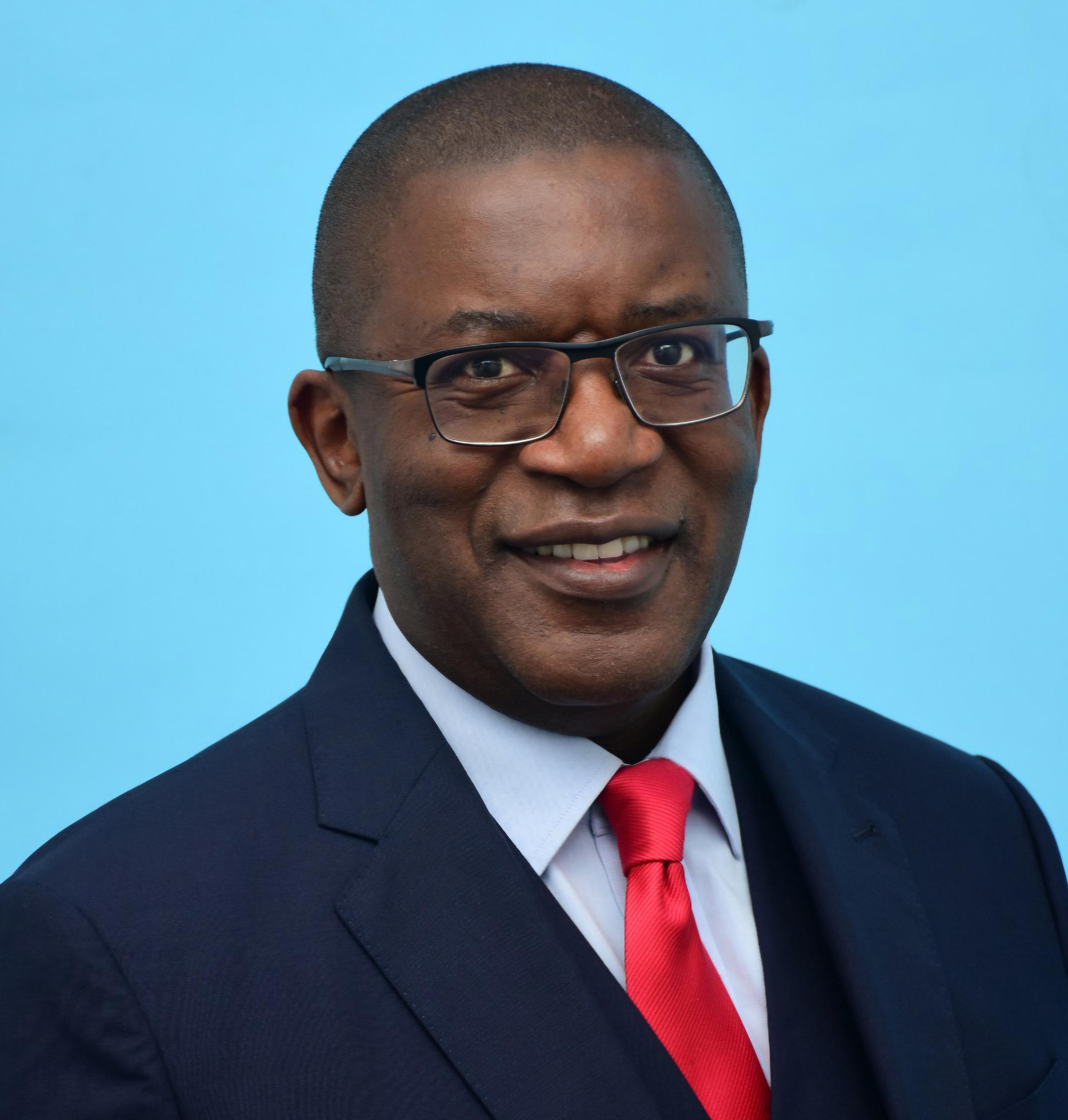
Ghana’s Supreme Court has unanimously dismissed a legal challenge filed by former Ghana Infrastructure Investment Fund CEO Solomon Asamoah, upholding a High Court directive requiring him to testify before calling other defense witnesses in the ongoing $2 million SkyTrain criminal trial. A related application by former GIIF Board Chairman Professor Christopher Ameyaw-Akumfi was also dismissed on November 26, 2026, clearing the way for proceedings to continue over allegations that public funds were transferred toward the abandoned Accra railway project without the necessary authorization.
Ghana’s Supreme Court has dismissed a legal challenge filed by former Chief Executive Officer of the Ghana Infrastructure Investment Fund (GIIF), Solomon Asamoah, clearing the way for the continuation of criminal proceedings over an alleged $2 million financial loss to the state in connection with the abandoned Accra SkyTrain project. The unanimous decision, delivered on Wednesday, November 25, 2026, upheld an earlier High Court directive requiring Asamoah to testify in his defense before other witnesses he intends to summon are called to give evidence.
The ruling represents a significant development in one of Ghana’s prominent public financial accountability cases, which also involves former GIIF Board Chairman Professor Christopher Ameyaw-Akumfi. Both former officials are facing criminal charges arising from a controversial payment made in 2019 toward the proposed elevated railway system, an ambitious infrastructure initiative that was promoted as a potential solution to Accra’s worsening traffic congestion but never materialized.
A five-member Supreme Court panel presided over by Justice Issifu Omoro Tanko Amadu determined that the trial court had acted within its lawful authority when it established the sequence in which defense evidence would be presented. The decision followed arguments heard on November 24, during which Asamoah’s legal representatives challenged the legitimacy of the High Court’s directive and maintained that it interfered with his constitutional protections as an accused person.
The dispute arose after High Court Justice Audrey Kocuvie-Tay directed Asamoah to present his own testimony before calling other individuals identified as potential defense witnesses. Asamoah had requested that 15 individuals, including former Railway Development Minister Joe Ghartey and several current and former GIIF officials, be summoned to provide evidence that could assist his defense against the criminal charges.
His legal team, led by lawyer Victoria Barth during the Supreme Court challenge, argued that the directive undermined his constitutional right to determine how to conduct his defense. The lawyers further maintained that requiring their client to testify before his proposed witnesses could interfere with his right to remain silent and compromise protections afforded to defendants under Ghana’s constitutional framework.
Asamoah consequently invoked the Supreme Court’s supervisory jurisdiction under Article 132 of the 1992 Constitution, seeking an order to invalidate the High Court’s procedural decision. His application placed the relationship between an accused person’s constitutional rights and a trial judge’s authority to manage criminal proceedings at the center of the legal arguments presented before the country’s highest court.
The prosecution opposed the application, maintaining that the High Court possessed the statutory authority necessary to regulate the presentation of evidence and ensure the orderly conduct of proceedings. Principal State Attorney Sefakor Batse argued that the defense’s disagreement with the trial judge did not establish sufficient legal grounds for intervention by the Supreme Court.
In dismissing the challenge, the Supreme Court distinguished between an accused person’s freedom to determine the substance of a defense and the judicial responsibility to manage the proceedings through which that defense is presented. The ruling established that the High Court’s directive fell within its procedural powers and did not provide sufficient grounds for the supervisory relief sought by Asamoah.
The legal setbacks continued on Thursday, November 26, when the Supreme Court dismissed a related application filed by Professor Ameyaw-Akumfi, the second accused person in the criminal proceedings. The successive decisions have strengthened the procedural position of the High Court and removed another obstacle to the presentation of defense evidence in a trial that has experienced several interruptions arising from applications before different courts.
According to the Ghana News Agency, the trial court initially directed both accused persons on July 2, 2026, to present their respective defenses within 21 days. Their defense documents were eventually filed in late September following additional court directives, after which disagreements emerged over the arrangements for calling witnesses and the order in which testimony would be received.
The criminal proceedings originate from a $2 million transaction undertaken in 2019 in connection with the proposed Accra SkyTrain project. State prosecutors allege that the funds were transferred to Africa Investor Holdings Limited, a company associated with the proposed railway development, without obtaining the necessary authorization from the governing board of the Ghana Infrastructure Investment Fund.
The prosecution maintains that the payment exposed Ghana to financial loss and that the required institutional safeguards were not followed before public resources were committed to the transaction. Asamoah and Ameyaw-Akumfi face charges that include allegations of conspiracy, willfully causing financial loss to the state and intentional dissipation of public funds, although their individual criminal responsibility remains a matter for the trial court to determine.
The Accra SkyTrain initiative was originally presented as a major transformation of urban transportation in Ghana’s capital. As population growth and increasing vehicle ownership placed additional pressure on Accra’s road infrastructure, the proposed railway network was promoted as an alternative capable of transporting large numbers of passengers while reducing dependence on congested roads and conventional public transportation.
The project attracted considerable public attention in November 2019 when a concession agreement associated with the initiative was signed during the Africa Investment Forum in Johannesburg, South Africa. The proposed development, publicly valued at approximately $2.3 billion, envisioned an elevated railway system connecting several areas of Accra through a network designed to improve mobility across the metropolitan region.
The proposed $2.3 billion infrastructure investment and the $2 million transaction at the center of the criminal prosecution are distinct financial matters. The current charges concern the smaller payment allegedly authorized through GIIF, rather than an allegation that the entire projected construction budget was released or lost by the Ghanaian government.
Despite the expectations generated by the project’s announcement, the railway system was never constructed. Questions subsequently emerged about the financial commitments made during its preliminary stages, the authorization processes governing those commitments and the extent to which the state’s interests had been protected before funds were transferred.
The controversy eventually developed into a criminal investigation focused on the conduct of former GIIF officials. Prosecutors filed charges in 2025, alleging that the transaction had been undertaken without the necessary approvals and that the circumstances surrounding the payment justified criminal proceedings against the individuals accused of participating in its authorization.
The Ghana Infrastructure Investment Fund was established to support infrastructure development through investments that can mobilize capital and contribute to the country’s long-term economic growth. Its role places considerable importance on investment evaluation, institutional oversight and the protection of public assets, particularly when proposed developments involve international partners and substantial financial commitments.
The central legal question in the SkyTrain prosecution concerns whether the former officials acted unlawfully in connection with the payment and whether the evidence establishes the criminal offenses alleged by the state. The failure of the railway project to materialize provides important background to the dispute, but the absence of a completed project does not, by itself, establish that either defendant committed a criminal offense.
In May 2026, the prosecution concluded the presentation of its evidence after calling three witnesses. Lawyers representing the accused subsequently filed submissions arguing that the state had failed to establish a sufficient case requiring their clients to defend themselves, challenging both the strength of the evidence and aspects of the legal basis upon which the prosecution had been brought.
The High Court rejected those submissions and directed the accused persons to open their defenses. That decision did not constitute a finding of guilt but indicated that the trial court considered the prosecution’s evidence sufficient for the proceedings to advance to the defense stage, where the accused would have the opportunity to respond to the allegations.
Several legal challenges followed, including applications seeking to suspend proceedings while higher courts considered objections raised by the defense. In August 2026, the Supreme Court dismissed an application seeking an injunction against the continuation of the criminal trial, while further litigation in October concerned the High Court’s decision requiring Asamoah to present his defense.
The latest Supreme Court rulings therefore concern the procedural management of the criminal case rather than a final assessment of the disputed $2 million transaction. Neither Asamoah nor Ameyaw-Akumfi has been convicted through these decisions, and both remain entitled to the presumption of innocence and the protections available to defendants under Ghanaian law.
The next phase of the proceedings will allow the trial court to examine the explanations offered by the accused persons and consider any supporting evidence presented through their proposed witnesses. The testimony could address the circumstances surrounding the investment decision, the responsibilities of the officials involved and the authorization requirements applicable to transactions undertaken by GIIF at the time.
Beyond the individual defendants, the SkyTrain proceedings have wider implications for the management of public infrastructure investments in Ghana. Large development projects frequently require preliminary expenditure before construction begins, making transparent approval mechanisms, comprehensive feasibility assessments and effective institutional oversight important safeguards against unnecessary financial exposure.
The case also illustrates the importance of distinguishing an unsuccessful public investment from criminal misconduct. Infrastructure projects can fail for numerous commercial, financial and regulatory reasons, but establishing criminal liability requires evidence demonstrating that the conduct of particular individuals satisfies the legal requirements of the offenses with which they have been charged.
With the Supreme Court rejecting the latest procedural challenges, attention now returns to the High Court, where the substantive allegations remain unresolved. Prosecutors must establish their case to the standard required in criminal proceedings, while the accused persons retain the opportunity to contest the allegations and present evidence supporting their respective positions.
For Ghana, the eventual outcome will provide further insight into the circumstances surrounding an infrastructure proposal that once promised to reshape transportation in the capital but instead became the subject of prolonged criminal litigation. Until the trial court delivers its judgment, questions concerning the authorization of the $2 million payment, the responsibilities of the former GIIF officials and any resulting criminal liability remain open for judicial determination.