
UN INVESTIGATORS SAY NICARAGUA CRACKDOWN AMOUNTS TO CRIMES AGAINST HUMANITY
United Nations investigators say Nicaragua's state institutions coordinated enforced disappearances, torture, arbitrary detention and political persecution amounting to crimes against humanity. Investigators verified 161 enforced disappearances since 2018 and identified eight deaths in state custody.
United Nations investigators say Nicaragua's state institutions have carried out a coordinated campaign of enforced disappearances, torture, arbitrary detention and political persecution that amounts to crimes against humanity.
The findings were published Tuesday by three independent UN experts tasked with investigating human rights violations in Nicaragua.
Investigators said they documented imprisonment, torture and persecution on political grounds as part of what they described as a widespread and systematic attack against civilians.
The report alleges that Nicaragua's police, prosecutors and intelligence services coordinated efforts to identify, monitor and imprison government critics through a chain of command extending to senior levels of the state.
Nicaragua's diplomatic mission in Geneva had not responded to a request for comment from Reuters when the findings were published.
161 ENFORCED DISAPPEARANCES VERIFIED
The UN investigators said they verified 161 cases of enforced disappearance since April 2018.
The disappearances lasted from several days in some cases to several years in others.
Investigators said authorities increasingly turned to long term enforced disappearances and nationwide police operations as part of efforts to eliminate remaining political dissent.
The UN experts called on Nicaragua's government to end the practice and provide information about the whereabouts of people who remain missing.
EIGHT DEATHS IN STATE CUSTODY
The investigation also identified eight people who died while in state custody.
The report documented allegations of torture and other mistreatment against people detained for political reasons.
Female detainees were subjected to additional gender based abuse and humiliation, according to the investigators, including threats of sexual violence.
The findings also describe arbitrary arrests and trials that investigators say failed to meet basic standards of fairness.
STATE INSTITUTIONS ACCUSED OF COORDINATED REPRESSION
The report alleges that repression was not limited to isolated actions by individual security officers.
Investigators said police, prosecutors and intelligence agencies operated through a coordinated system reaching senior levels of government.
According to the report, state institutions worked together to identify critics, monitor their activities, detain them and pursue cases against them.
The UN experts concluded that imprisonment, torture and political persecution formed part of a widespread and systematic attack against civilians.
It is on that basis that the investigators concluded the conduct amounted to crimes against humanity.
CRACKDOWN TRACED TO 2018 PROTESTS
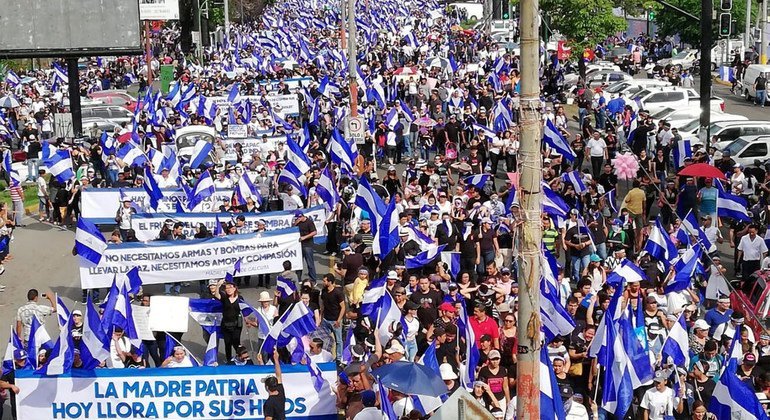
Nicaragua's political crisis intensified after widespread anti government protests erupted in April 2018.
More than 300 people were killed during the violent crackdown that followed, and large numbers of Nicaraguans subsequently fled the country.
The UN investigation says arbitrary detention and unfair trials became important tools for silencing government opponents following those demonstrations.
Since 2023, investigators say the authorities have increasingly relied on long term enforced disappearances and nationwide police raids.
TARGETS EXPANDED BEYOND POLITICAL OPPONENTS
According to the UN report, the crackdown has expanded beyond traditional political opposition groups.
Investigators said those targeted have included church members, Indigenous leaders and former government and military officials.
Journalists, activists and other perceived critics have also faced pressure during Nicaragua's prolonged political crisis.
The report portrays the campaign as part of a broader dismantling of political and civil freedoms.
ORTEGA AND MURILLO LEAD NICARAGUA
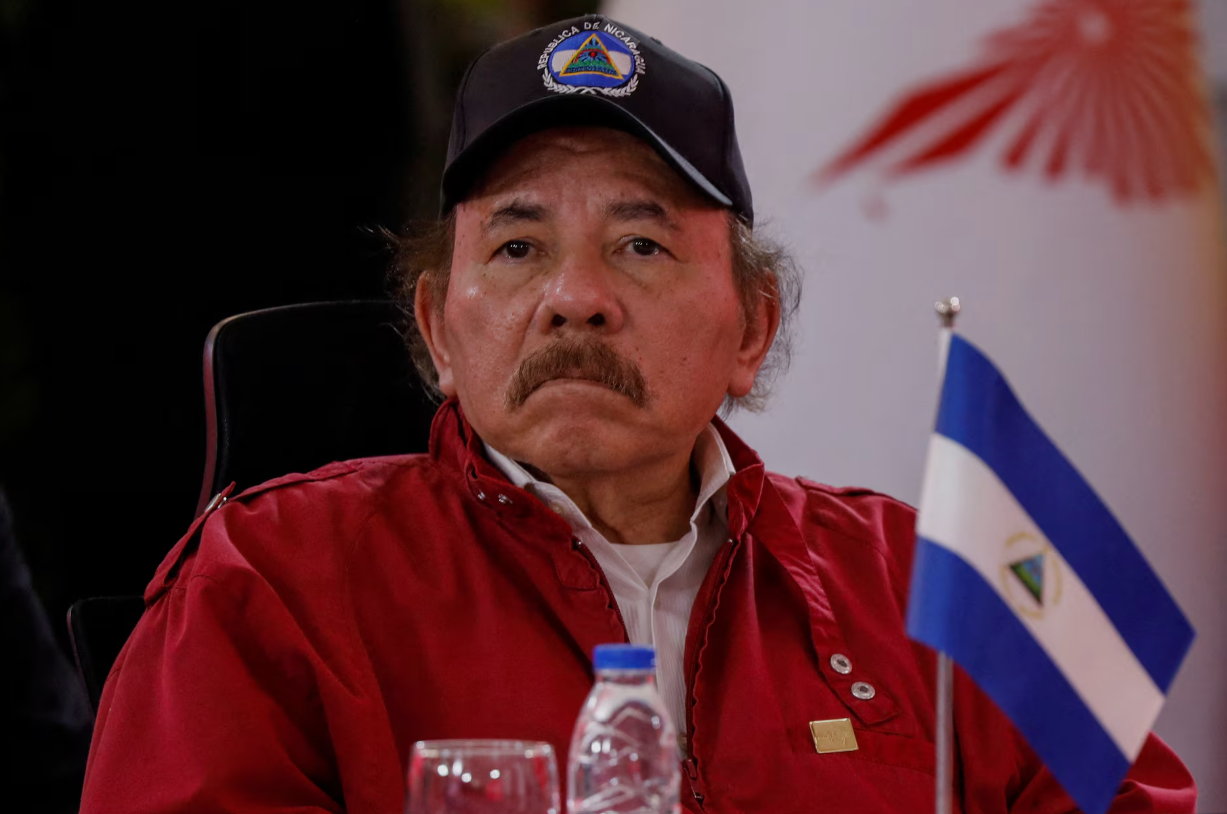
Daniel Ortega currently serves as Nicaragua's co president alongside his wife Rosario Murillo, who previously served as vice president.
Ortega is the longest serving current leader in the Americas and has been in power for nearly two decades during his latest period in office.
The country's political system has undergone significant changes as the government has consolidated control over state institutions.
In July, Ortega said Nicaragua would no longer hold elections, arguing that the move was necessary to prevent opposition forces from taking control of the government again.
The UN investigators cited the development as further evidence supporting their findings about the systematic erosion of rights and political freedoms.
OPPOSITION PARTIES FACE NEW RESTRICTIONS
Nicaragua's Congress approved a constitutional reform in September that would prevent opposition parties from participating in elections.
The measure has attracted criticism from the United States and other governments in the region.
The latest UN report places those political developments within a wider pattern of measures that investigators say have progressively eliminated space for organised opposition.
UN CALLS FOR END TO DISAPPEARANCES
The UN experts have called on Nicaragua's government to immediately end enforced disappearances and disclose information about missing detainees.
They also called for accountability for serious human rights violations documented during the investigation.
The report represents one of the most serious international assessments of Nicaragua's treatment of political opponents since the country's political crisis erupted in 2018.
Nicaragua's government has previously rejected international criticism of its human rights record and accused foreign governments and organisations of interfering in its internal affairs.
The latest findings are conclusions reached by the UN investigators. Nicaragua's diplomatic mission in Geneva had not provided Reuters with a response to the new report at the time of publication.