EFCC UNCOVERS ILLEGAL OIL REFINERY OPERATED BY CHINESE NATIONALS IN OGUN STATE
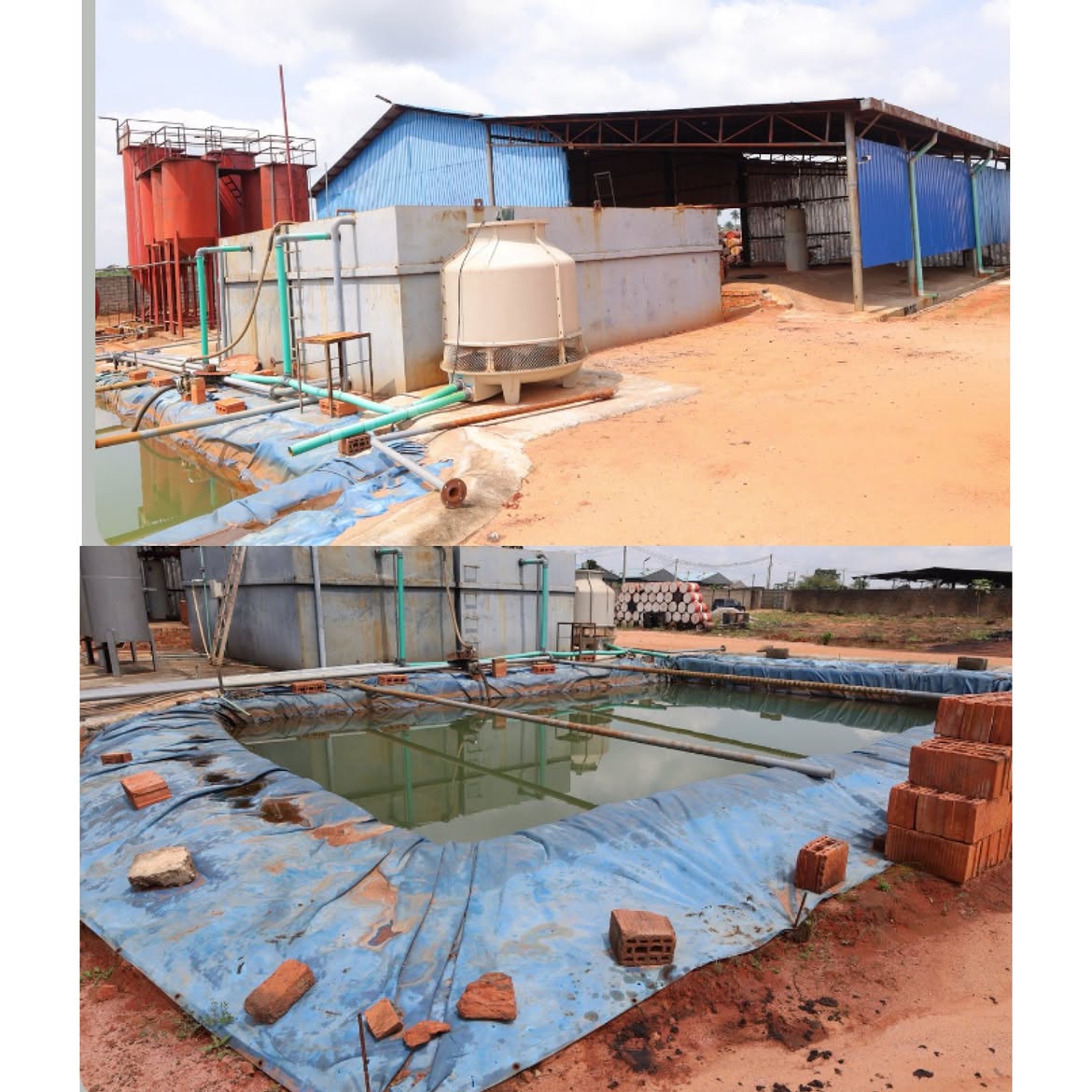
The Economic and Financial Crimes Commission has uncovered an illegal oil refinery in Ogere, Ogun State, that was allegedly operated by Chinese nationals. Operatives found the site deserted on October 31 but located underground tanks containing substances suspected to be diesel and waste from refining. Sludge oil was reportedly brought from Warri and Port Harcourt. The EFCC has taken over the premises while investigations continue.
The Economic and Financial Crimes Commission has uncovered an illegal oil refinery in the Ogere area of Ogun State that was allegedly operated by Chinese nationals, with operatives finding the facility deserted but containing waste products from refining activities and underground tanks holding substances suspected to be diesel. The raid took place on Saturday, October 31, 2026, by personnel from the commission’s Lagos Zonal Directorate 2 following intelligence gathering and surveillance focused on the activities of illegal sludge oil refiners. The operation came days after the same directorate shut down four illegal lithium processing plants in the same locality and arrested 14 Chinese nationals and one Nigerian on October 23.
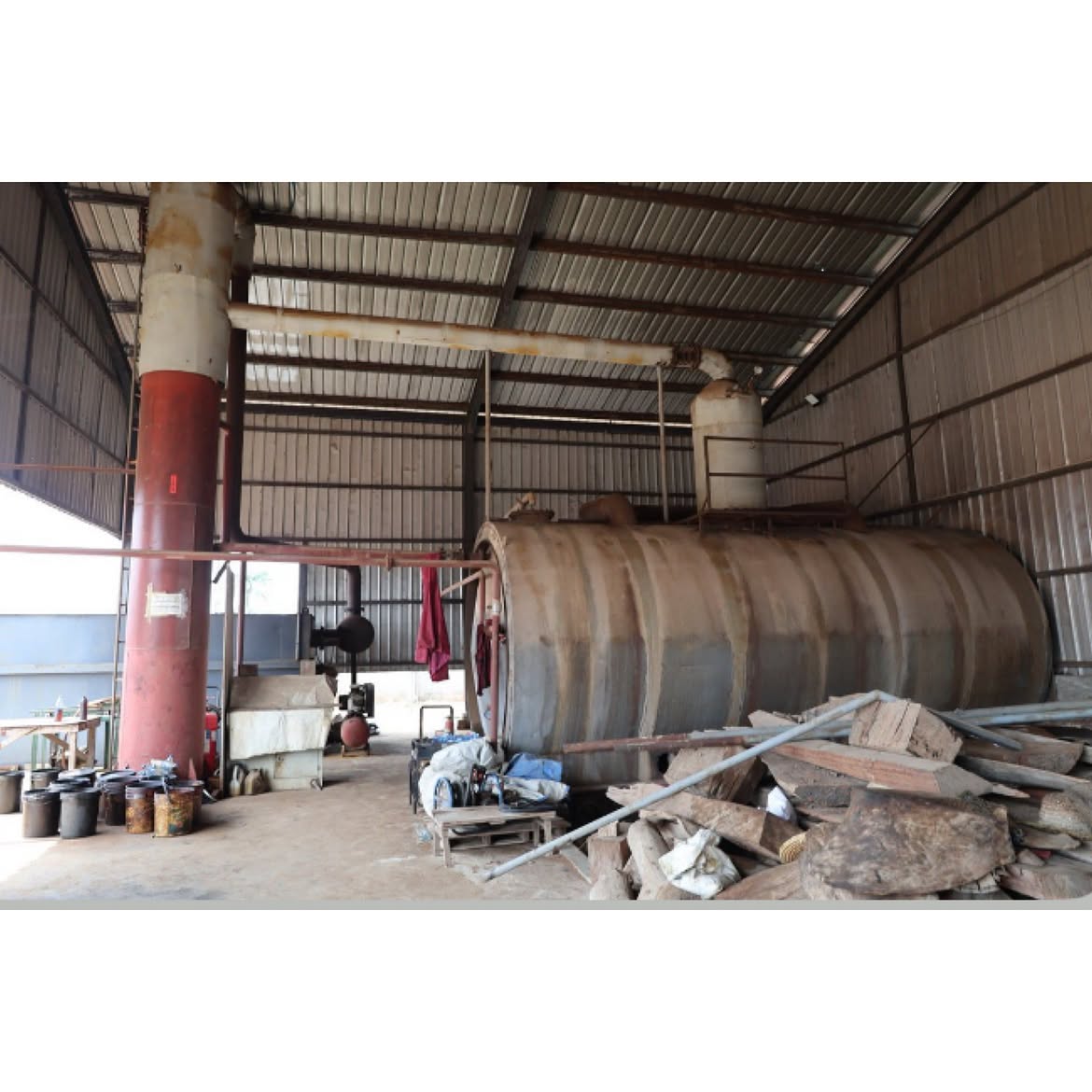
When EFCC operatives arrived at the premises they found no one present. Waste materials generated during the refining process were visible on the site, and investigators located underground tanks that appeared to have been used for heating and processing sludge oil. Two of those tanks contained substances that investigators suspect to be Automotive Gas Oil, commonly known as diesel. Preliminary findings indicate that the operators obtained sludge oil, also referred to as black sludge, from Warri in Delta State and Port Harcourt in Rivers State and transported it to the Ogere facility. The sludge was then subjected to intense heat so that lighter petroleum components could pass through a series of chambers and filters, a process believed to yield diesel intended for sale in the Nigerian market.
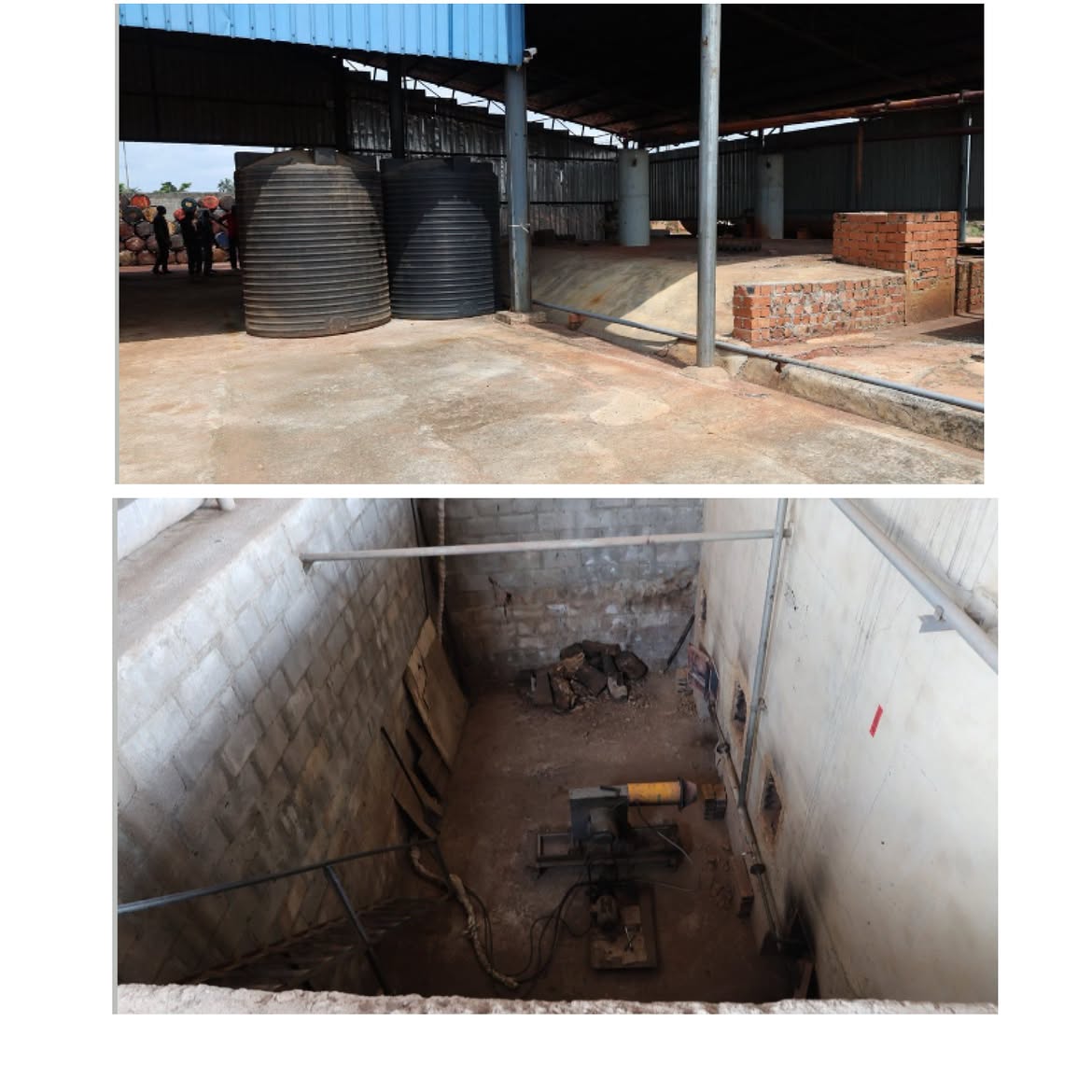
Security personnel found at the facility told EFCC operatives that the Chinese nationals running the operation never disclosed their identities and never revealed the name of any company associated with the site. As a result, the commission has taken control of the premises while investigations continue. The goal is to establish the identities of those responsible, determine ownership of the facility, and assess the full scale of the suspected illegal refining and related economic activity. No arrests were made during the October 31 raid because the operators were not present.
The discovery follows the October 23 operation in which EFCC officers arrested 14 Chinese nationals and one Nigerian at four separate locations in Ogere that were allegedly processing lithium without authorization. Items recovered in that earlier action included bags of lithium rocks, mobile devices, laptop computers, and a trailer truck. Those suspects were expected to face charges once investigations were completed. The proximity in time and location between the lithium plant raids and the oil refinery discovery has drawn attention to the concentration of unauthorized industrial activity in the Ogere area.
Illegal refining of petroleum products has long been a concern for Nigerian authorities because it bypasses formal taxation, quality controls, and environmental regulations while diverting feedstock that could otherwise enter the regulated supply chain. Sludge oil processing of the type described in the EFCC statement is particularly difficult to monitor once the material leaves the origin points in the Niger Delta and is moved inland. The use of underground tanks and heating equipment at the Ogere site suggests an attempt to conceal or stabilize the operation, although the facility was still detectable through intelligence and surveillance.
The commission’s statement, issued by Head of Media and Publicity Dele Oyewale, frames the matter as part of ongoing efforts against economic sabotage. It notes that the operators sourced material from two major oil-producing states and processed it for commercial distribution. Because the Chinese nationals did not identify themselves or their company to local security staff, investigators must now rely on documents, financial trails, vehicle records, and any residual evidence at the site to reconstruct ownership and operational history. The substances found in the tanks will require laboratory confirmation before any definitive determination of their composition can be made.
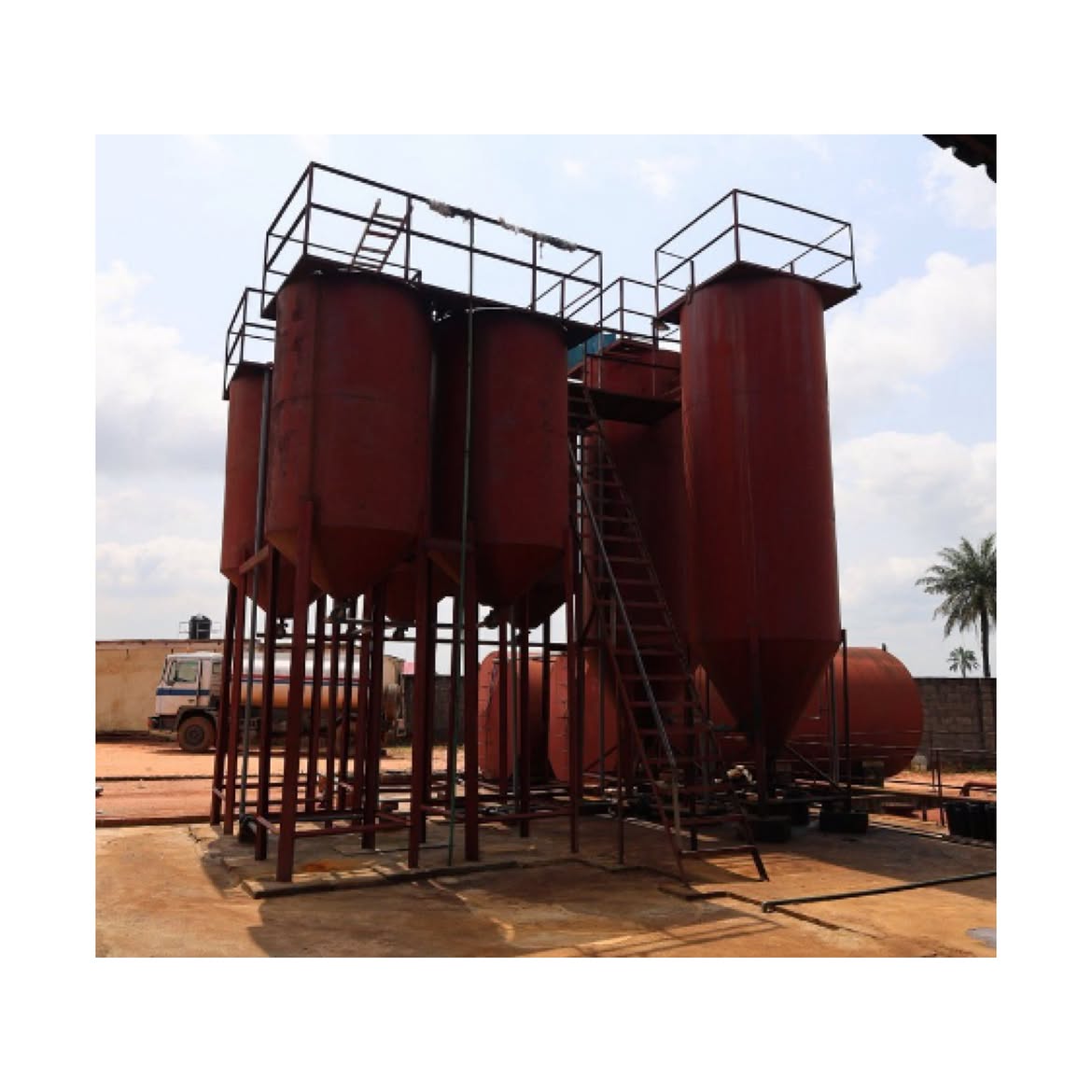
Ogere sits along a major transport corridor linking Lagos with the eastern and northern parts of the country, which may have made the location attractive for moving bulk materials without immediate detection. The earlier lithium processing activity in the same zone indicates that the area has attracted operators engaged in multiple forms of unauthorized resource extraction and processing. Whether the oil refining and lithium operations shared ownership, financing, or personnel remains an open question that the ongoing investigation is expected to examine.
What is confirmed is that EFCC operatives raided a facility in Ogere on October 31, found it deserted, located waste from refining and underground tanks containing substances suspected to be diesel, and received information that Chinese nationals operated the site without disclosing their identities or company name. The commission has taken possession of the premises while it works to identify the operators and owners. What remains under investigation is the precise volume of material processed, the commercial destinations of any diesel that was produced, the identities and current whereabouts of those who ran the facility, and any possible connections to the lithium processing plants raided a week earlier. The outcome of those inquiries will determine whether criminal charges follow and against whom.
The two successive operations in Ogere within the space of eight days illustrate the commission’s current focus on unauthorized industrial activity involving foreign nationals in Ogun State. The oil refinery case, like the lithium cases before it, now depends on the ability of investigators to move from physical evidence left at an abandoned site to the people and commercial arrangements that sustained the operation.