GHANA’S GOLDBOD SEEKS EUROPEAN PARTNERSHIPS TO EXPAND LOCAL GOLD REFINING AND REDUCE DEPENDENCE ON RAW GOLD EXPORTS
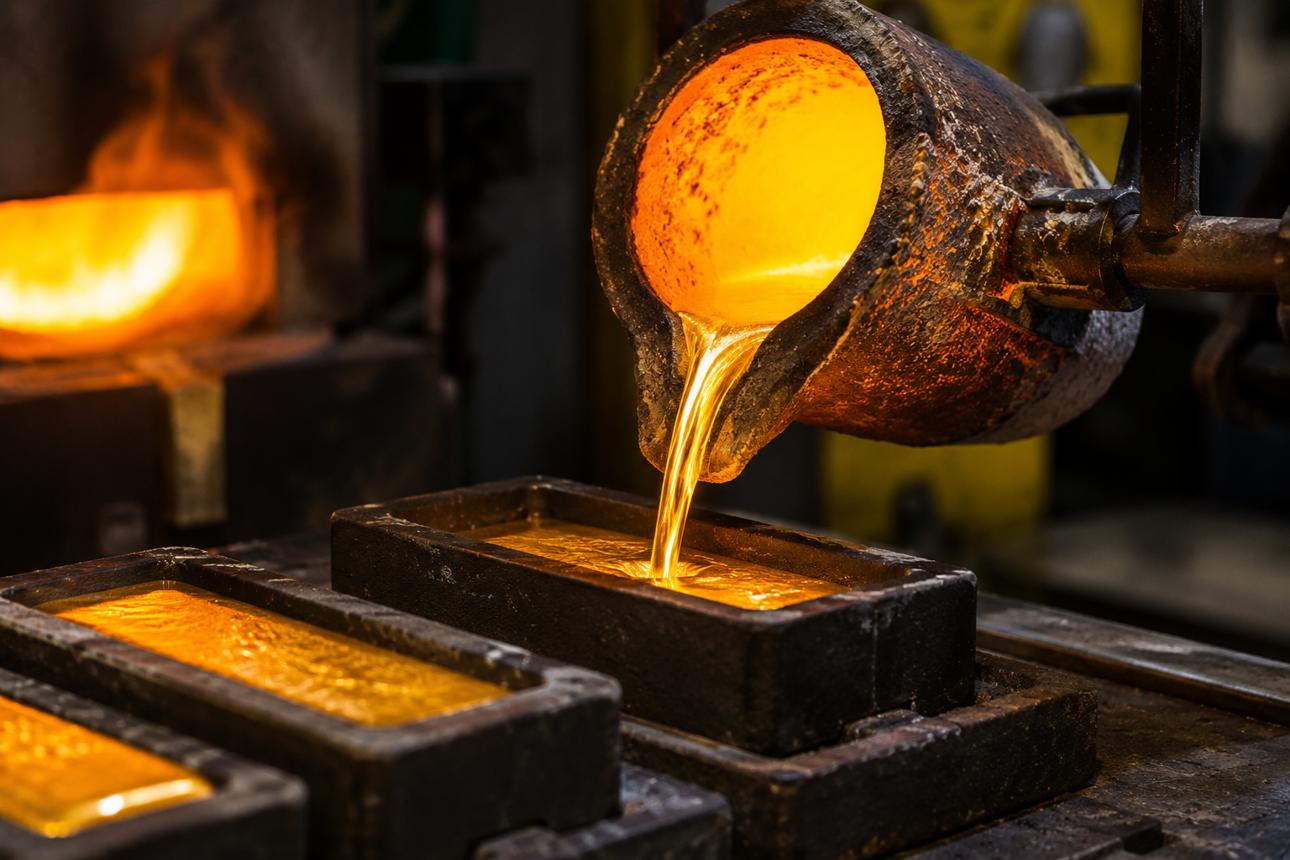
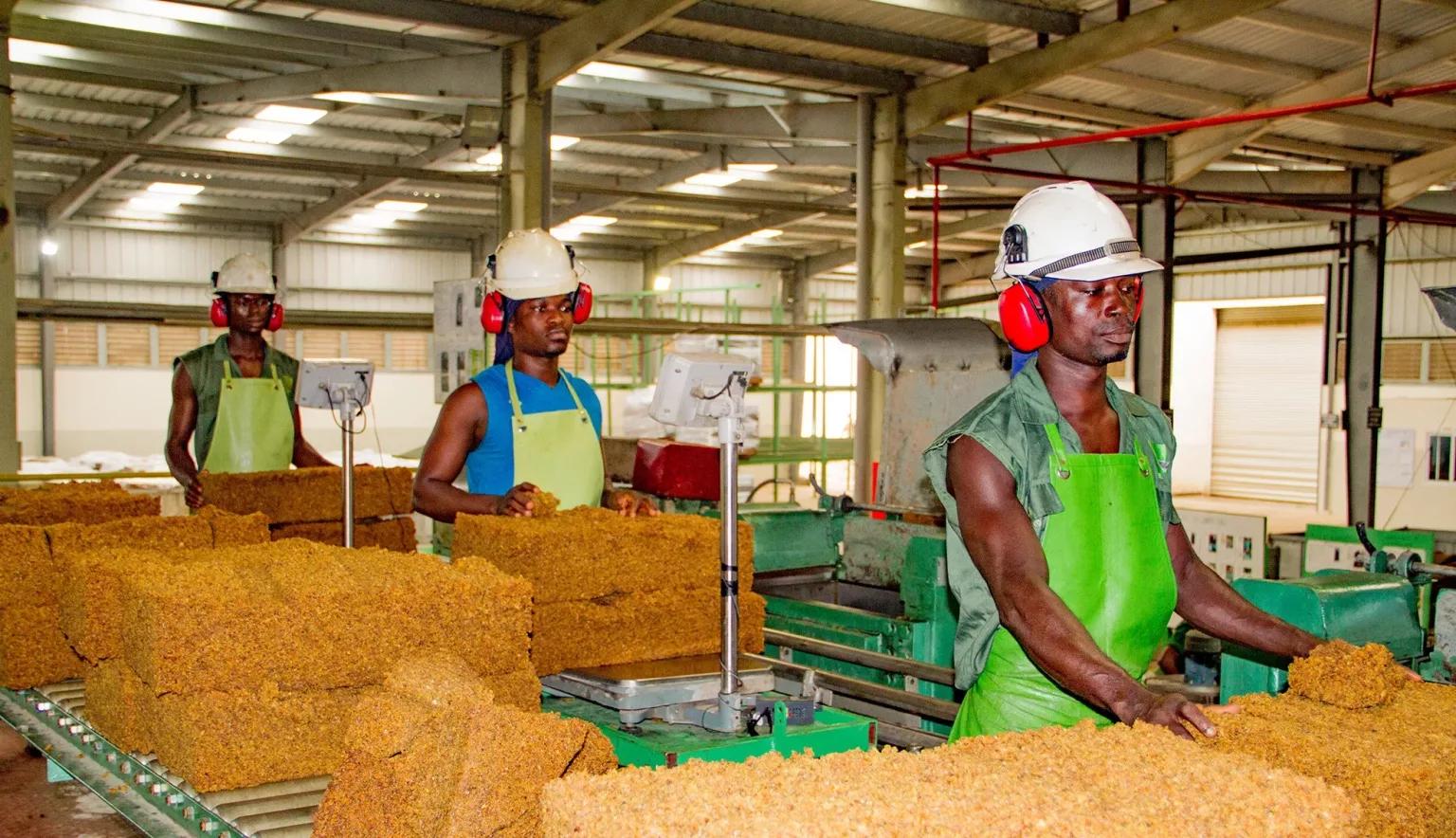
The Ghana Gold Board is pursuing strategic partnerships with European companies to expand domestic gold refining, improve mineral processing capabilities and increase the economic value Ghana retains from its gold resources. The initiative is expected to explore opportunities for international investment, technology transfer, responsible sourcing, internationally recognized refining standards and access to global bullion markets. It forms part of Ghana's broader efforts to reduce dependence on raw commodity exports, strengthen foreign exchange earnings and develop downstream industries capable of creating skilled employment. However, the identities of the prospective European partners, investment commitments, proposed refining capacity and implementation timelines have not yet been independently established.
The Ghana Gold Board, popularly known as GoldBod, is pursuing strategic partnerships with European companies to expand domestic gold refining, strengthen mineral processing capabilities and increase the economic value Ghana derives from its substantial gold resources. The initiative forms part of a broader effort to transform the country's gold industry from one heavily dependent on the export of relatively unprocessed minerals into a more integrated sector capable of undertaking sophisticated refining and value-added activities. Through potential collaboration with established European industry players, GoldBod is seeking access to technical expertise, investment capital, internationally recognized refining standards and commercial networks that could strengthen Ghana's position within the global precious metals market.
The initiative reflects growing recognition within Ghana's economic and mining sectors that the country's position as a major gold producer has not always translated into the full range of financial and industrial benefits associated with the precious metal. Although gold remains one of Ghana's most important sources of export revenue and foreign exchange, substantial portions of the commercial activity associated with refining, certification, specialized manufacturing and international distribution have traditionally taken place outside the country. Expanding domestic processing capabilities could allow Ghana to retain a greater proportion of the economic value generated throughout the gold supply chain.
GoldBod's pursuit of European partnerships is also consistent with the administration of President John Dramani Mahama's broader emphasis on industrial development, export diversification and the domestic processing of natural resources. The government has repeatedly identified value addition as an important component of efforts to strengthen economic resilience and reduce dependence on the export of raw commodities. Within the gold industry, that objective involves developing infrastructure capable of processing locally produced minerals into internationally marketable products while establishing stronger systems for monitoring production, certification and commercial transactions.
The proposed partnerships would represent an important opportunity for Ghana to draw on the experience of European companies operating within established international precious metals markets. Several European countries, particularly Switzerland, possess extensive experience in gold refining, trading, quality assurance and the production of investment-grade bullion. Companies operating within those markets frequently maintain relationships with international banks, commodity traders, jewelry manufacturers and institutional investors, providing access to commercial networks that emerging refining centers may find difficult to establish independently.
However, the precise identity of the European companies involved in GoldBod's latest partnership discussions has not been established in the initial information available. Details concerning potential investment commitments, ownership arrangements, technology transfer agreements and implementation schedules also remain unclear. The announcement indicates an intention to pursue international collaboration rather than confirmation that a binding agreement has already been concluded or that construction of additional refining facilities has commenced.
Ghana's ambition to expand its gold refining industry is closely connected to the country's longstanding dependence on mineral exports. Gold production has occupied a central position within the national economy for decades, generating employment, supporting government revenue and contributing significantly to the country's foreign exchange earnings. The sector includes large-scale mining companies, licensed small-scale operators and numerous businesses involved in purchasing, transporting, processing and exporting precious metals.
Despite that extensive economic activity, the commercial value generated by gold can extend considerably beyond its extraction from the ground. Once gold-bearing material has been processed into intermediate products, further refining may be required to achieve the purity levels demanded by international bullion markets. Additional commercial opportunities arise through certification, manufacturing, secure storage, distribution and the development of financial products linked to precious metals.
Countries possessing sophisticated refining infrastructure can participate in a greater number of those commercial activities. They may also develop specialized industries involving metallurgical engineering, laboratory services, jewelry manufacturing and financial intermediation. For Ghana, expanding participation in those stages of the gold supply chain could create opportunities to strengthen domestic industrial capabilities while reducing reliance on external processing arrangements.
The establishment of GoldBod under the Ghana Gold Board Act, 2025, represented a significant restructuring of the country's gold purchasing, trading and export framework. The institution was created to strengthen oversight of the gold market, formalize commercial activities within the sector and improve the management of foreign exchange earnings associated with gold exports. Its responsibilities are particularly relevant to the artisanal and small-scale mining sector, where fragmented trading arrangements have historically presented challenges for regulatory authorities.
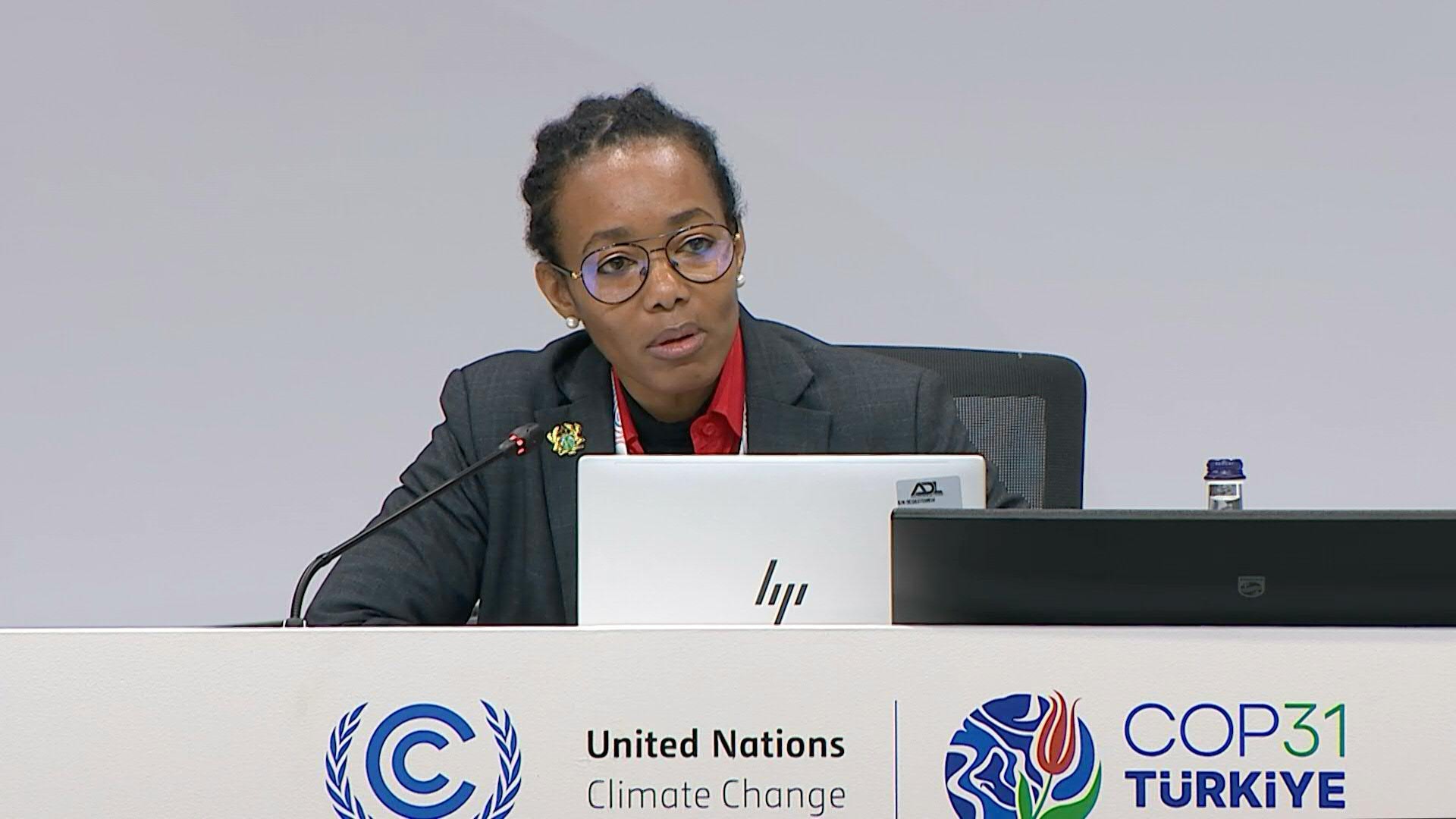
Under the leadership of Chief Executive Officer Sammy Gyamfi, GoldBod has become an important institution within Ghana's broader strategy for managing the economic benefits associated with mineral production. Its mandate encompasses the regulation of relevant gold trading activities and the development of systems intended to improve accountability throughout the supply chain. The pursuit of international refining partnerships introduces an additional industrial dimension to those responsibilities.
For many years, Ghana has faced difficulties ensuring that gold produced within the country enters officially recognized trading channels. Unlicensed purchasing arrangements, cross-border smuggling and incomplete production records can prevent authorities from obtaining an accurate understanding of the quantity of gold leaving the country. Such activities can also reduce tax revenue and limit the foreign exchange benefits associated with domestic mineral production.
Expanding local refining capacity could contribute to addressing some of those challenges if it is accompanied by effective purchasing arrangements, reliable documentation and transparent supply-chain management. Refining facilities operating within Ghana would require consistent access to legitimately sourced gold, creating incentives to strengthen relationships between licensed miners, purchasing organizations and regulatory institutions. However, establishing additional processing infrastructure alone would not eliminate smuggling or guarantee compliance with mining legislation.
One of the principal considerations confronting GoldBod will be ensuring that Ghanaian gold meets internationally recognized standards concerning quality and responsible sourcing. International bullion markets place considerable importance on the ability of refiners to demonstrate the origin of precious metals, assess the risks associated with their suppliers and comply with requirements designed to prevent money laundering and the financing of criminal activities. These obligations have become increasingly significant as governments, investors and financial institutions demand greater transparency within mineral supply chains.
The London Bullion Market Association, commonly known as the LBMA, maintains internationally recognized standards for gold refiners participating in major wholesale bullion markets. Its Good Delivery framework includes requirements relating to product quality, technical capabilities and responsible sourcing. Refiners seeking recognition within such markets must demonstrate compliance with relevant standards rather than relying solely on the purity of their finished products.
Collaboration with experienced European refiners could provide Ghanaian institutions with opportunities to develop the technical and administrative systems required to satisfy those expectations. International partners may possess expertise in laboratory testing, quality control, supply-chain verification and the management of commercial relationships with global financial institutions. Nevertheless, a partnership with an accredited international company would not automatically confer accreditation on a Ghanaian refinery, which would still need to satisfy the applicable requirements.
The development of internationally recognized refining capacity could have important implications for Ghana's ability to market locally processed bullion. Gold products accepted by major international institutions can potentially access broader commercial networks and attract a wider range of buyers. Establishing confidence in Ghana's refining standards could also contribute to the country's reputation as a reliable participant in international precious metals markets.
Ghana has already taken steps toward developing its domestic refining infrastructure. The commissioning of the Royal Ghana Gold Refinery in Accra in August 2024 represented an earlier effort to increase local gold processing and reduce the country's dependence on overseas refining facilities. The facility was presented as an important component of Ghana's value-addition strategy, with the potential to process substantial quantities of gold and support the development of related commercial activities.
GoldBod's latest pursuit of European partnerships should therefore be understood within the context of existing domestic refining initiatives rather than as the beginning of Ghana's involvement in precious metal processing. Potential international agreements could involve expanding existing facilities, introducing additional technologies, strengthening quality assurance systems or developing entirely new processing infrastructure. The precise approach remains subject to clarification because the initial announcement does not identify the proposed investment structure.
The economic case for expanding domestic refining also extends to employment creation and professional development. Modern gold processing facilities require skilled personnel in chemistry, metallurgy, engineering, laboratory analysis, equipment maintenance, financial administration and regulatory compliance. Developing those capabilities could provide opportunities for Ghanaian professionals while supporting collaboration between industrial operators, universities and technical training institutions.
Technology transfer will consequently be an important consideration in any partnership negotiated with European companies. An arrangement that merely introduces foreign-operated processing equipment may deliver different long-term benefits from one that systematically develops local technical expertise and management capacity. Establishing clear commitments concerning training, knowledge transfer and the participation of Ghanaian professionals could help ensure that international partnerships contribute to sustainable industrial development.
The ownership arrangements governing potential refining investments will also attract attention. International collaboration can involve joint ventures, technical service agreements, licensing arrangements, direct foreign investment or other commercial structures. Each approach creates different implications for the distribution of profits, managerial authority, financial risk and long-term control over strategically important infrastructure.
For Ghana, negotiating commercially sustainable agreements will require balancing the need for foreign capital and expertise against the objective of retaining greater economic value domestically. Establishing appropriate ownership conditions and transparent financial arrangements could help ensure that partnerships contribute to national development rather than merely relocating particular processing activities while leaving most commercial benefits outside the country.
The significance of local gold refining also extends to Ghana's foreign exchange market. Gold export earnings represent an important source of United States dollars and other international currencies, supporting the country's capacity to finance imports and meet external financial obligations. The management of gold-related foreign exchange flows has therefore become closely connected to broader discussions concerning the stability of the Ghanaian cedi and the country's external reserves.
Domestic refining could improve Ghana's participation in international gold transactions and potentially create opportunities to retain additional processing revenue. However, the financial benefits should not be overstated. Gold producers can already receive payments reflecting much of the underlying metal value when exporting partially processed products. The additional margin generated through refining depends on processing charges, recovery rates, operating expenses, financing costs and the terms under which finished products are sold.
Establishing a refinery therefore does not automatically produce substantial increases in export revenue simply because the finished gold achieves a higher purity level. Refining requires significant investment in equipment, energy, technical personnel, security and working capital. Commercial success depends on maintaining sufficient processing volumes, controlling operating expenses and securing reliable buyers.
A comprehensive assessment of GoldBod's proposed partnerships will need to examine those economic considerations. Potential investors and government institutions must establish whether domestic facilities can operate competitively while satisfying international quality and environmental requirements. Where processing costs exceed the commercial benefits available, additional infrastructure may struggle to remain financially sustainable despite its strategic importance.
The relationship between domestic refining and Ghana's small-scale mining industry will also be central to the initiative's success. Artisanal and small-scale miners contribute to the country's overall gold production while supporting livelihoods across several mining communities. Integrating legitimate operators into formal purchasing and refining arrangements could provide more reliable commercial channels and improve regulatory oversight.
However, the small-scale mining sector continues to face substantial environmental and administrative challenges. Illegal mining, commonly referred to in Ghana as galamsey, has damaged water bodies, agricultural land and forest resources in several parts of the country. Concerns surrounding pollution, unsafe working conditions and unauthorized extraction have generated extensive national debate about the environmental consequences of mineral production.
Any expansion of gold refining infrastructure must consequently be accompanied by safeguards preventing illegally sourced minerals from entering legitimate commercial channels. Increased processing demand without effective traceability could create additional incentives for unauthorized extraction. GoldBod and its prospective partners will need to establish procedures capable of verifying suppliers, monitoring transactions and identifying circumstances in which minerals may have been obtained through unlawful activities.
European companies operating within international precious metals markets may also be subject to responsible sourcing obligations and environmental due diligence requirements. Their involvement could encourage the adoption of more rigorous documentation and monitoring practices within Ghana's gold supply chain. However, the effectiveness of those arrangements would depend on consistent implementation, independent verification and cooperation among the institutions responsible for regulating mining activities.
Environmental management within refining facilities themselves will require appropriate attention. Industrial mineral processing can create hazardous waste, require substantial energy and water resources, and involve materials that must be managed under strict safety conditions. Establishing facilities that meet recognized environmental and occupational standards will be necessary to protect workers, surrounding communities and public resources.
The pursuit of European partnerships could also support Ghana's ambitions to expand downstream industries associated with gold. Jewelry manufacturing represents one potential area of development, particularly where domestic artisans and industrial producers can obtain reliable supplies of appropriately refined metals. Other opportunities may arise through the production of investment-grade bars, commemorative products and specialized components used in particular manufacturing applications.
Building those industries would require additional investment beyond refining infrastructure. Successful jewelry and precious metals manufacturing sectors depend on design expertise, production technologies, marketing networks and access to buyers capable of supporting commercially sustainable operations. Government policies concerning taxation, licensing, export procedures and access to financing could also influence their development.
Ghana's efforts to increase mineral value addition are taking place within a broader African discussion concerning the continent's participation in global commodity supply chains. Many African economies possess substantial mineral resources but continue exporting relatively unprocessed materials for manufacturing and commercial activities elsewhere. Governments across the continent have increasingly examined policies intended to retain more industrial activity domestically.
However, achieving that objective involves more than imposing restrictions on raw material exports or constructing processing facilities. Successful industrial development requires reliable infrastructure, competitive operating conditions, access to markets and appropriate institutional management. International partnerships can assist with those requirements, but their benefits depend on the quality of the agreements negotiated and the ability of local institutions to implement them effectively.
Ghana's existing role within the African Continental Free Trade Area provides an additional dimension to its ambitions. The AfCFTA Secretariat is headquartered in Accra, positioning Ghana within wider discussions about regional industrial integration and intra-African trade. Developing competitive refining infrastructure could eventually create opportunities for cooperation with other gold-producing African countries, subject to national regulations, commercial agreements and responsible sourcing requirements.
A regional refining strategy could potentially help facilities achieve greater processing volumes and establish stronger connections with international markets. Nevertheless, sourcing gold across national borders introduces additional regulatory responsibilities involving customs documentation, taxation, mineral origin verification and financial transactions. Any future regional expansion would therefore require carefully designed institutional arrangements.
GoldBod's proposed European partnerships may also attract attention from financial institutions interested in supporting industrial investment within Ghana. Refining operations require financing not only for infrastructure but also for the purchase of valuable mineral inventories. Managing those financial requirements can be particularly challenging because gold prices fluctuate continuously within international markets.
Effective risk management will be necessary to protect participating institutions against unexpected changes in commodity prices, exchange rates and operating expenses. Transparent accounting practices and independent financial oversight could help establish confidence among investors, government stakeholders and commercial partners. Where public resources are committed to refining projects, appropriate safeguards will also be important to ensure accountability to taxpayers.
The structure of any eventual partnership will therefore remain a major subject of public interest. Important questions include the amount of capital to be invested, the proposed location and capacity of processing facilities, the responsibilities of foreign partners and the commercial arrangements through which Ghana expects to benefit. Clarification concerning government guarantees, tax concessions or other public financial commitments would also be necessary where those mechanisms form part of the proposed agreements.
For mining communities, the broader success of Ghana's gold value-addition strategy will ultimately depend on whether increased industrial activity contributes to improved economic opportunities without worsening environmental degradation. Gold production has generated considerable national wealth, but some communities located near mining operations continue to confront difficulties involving infrastructure, environmental damage and limited access to alternative livelihoods. Ensuring that the benefits associated with the mineral sector extend beyond national export statistics remains an important policy consideration.
The government's ability to connect mining revenue with sustainable development will consequently influence public perceptions of GoldBod's modernization efforts. Employment creation, environmental restoration, professional training and responsible commercial practices could help establish a stronger relationship between mineral extraction and national development. However, those outcomes require deliberate policy implementation and cannot be assumed to follow automatically from the establishment of additional refining capacity.
For GoldBod, securing credible international partners represents one stage of a much larger industrial development process. Negotiations will need to produce commercially viable agreements, establish measurable objectives and provide clarity concerning the technical standards expected of participating facilities. The institution must also ensure that its industrial ambitions remain consistent with its regulatory responsibilities and the broader national objective of formalizing Ghana's gold market.
The immediate focus will now turn toward the outcome of the proposed European engagements and whether discussions produce binding commitments involving investment, technical cooperation or expanded processing infrastructure. Publication of the relevant agreements would provide greater clarity concerning the scale of the initiative and the anticipated benefits for Ghana. Until those arrangements are formally established, the announced partnership efforts remain an expression of strategic intent rather than confirmation of completed investments.
Ghana's gold resources provide an important foundation for developing a more integrated precious metals industry, but transforming that potential into lasting economic benefits will require more than increased extraction or export volumes. Expanding domestic refining, developing internationally recognized quality standards and strengthening responsible sourcing mechanisms could help the country participate more extensively in the global gold value chain. The success of GoldBod's European partnership initiative will ultimately depend on the commercial sustainability of the agreements, the transfer of technical expertise, the protection of public resources and the ability of Ghanaian institutions to ensure that a greater proportion of the wealth generated by the country's mineral resources contributes to long-term national development.