JOSEPH YAMMIN DECLARES FOR ANOTHER TERM AS NDC NATIONAL ORGANISER AHEAD OF DECEMBER 19 PARTY CONGRESS
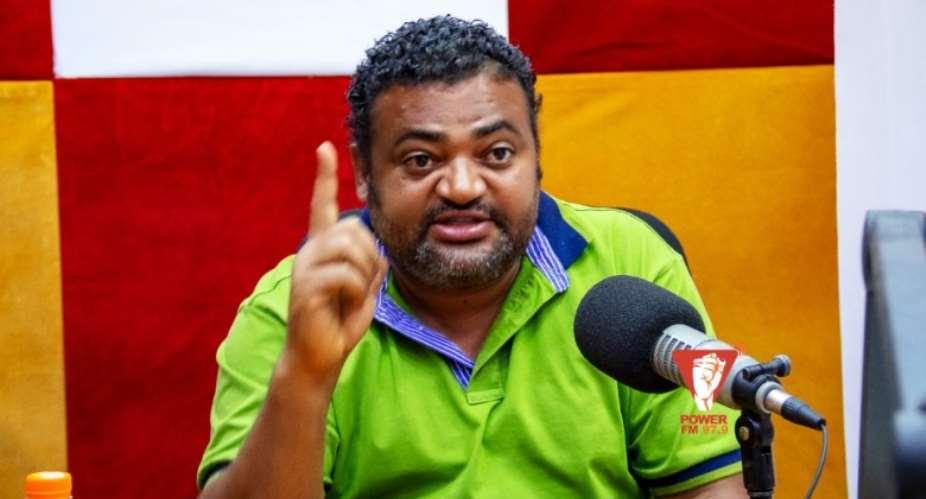
NDC National Organiser Joseph Yammin has declared his intention to seek another term ahead of the party’s December 19 National Congress. Yammin says he has picked his nomination forms, paid the required fees and completed the relevant nomination steps while waiting to know who will challenge him. The NDC’s official timetable places formal national filing between November 7 and November 9, followed by vetting on November 12 and 13 and appeals on November 15 and 16.
National Democratic Congress National Organiser Joseph Yammin has formally declared his intention to seek another term in office as the governing party moves into the decisive stage of its 2026 internal elections ahead of its National Congress on December 19. Yammin announced his re-election bid on Wednesday, October 21, saying he had picked his nomination forms, paid the required fees and completed the steps required of him at this stage of the process. His declaration places one of the NDC’s most prominent organisational positions firmly into focus as party executives and grassroots delegates prepare to choose the leadership team expected to steer the party through the second half of President John Dramani Mahama’s current term and toward the 2028 general election.
Yammin told journalists that he intends to remain in his current position rather than seek another national executive office, saying he wants another mandate as National Organiser. He described himself as ready for the contest and said he was waiting to see who would emerge as his challenger once the nomination window closed. His comments effectively mark the beginning of his campaign for another term and suggest that he intends to defend his performance in office directly before the party’s delegates rather than reposition himself elsewhere within the NDC leadership structure.
The National Organiser said he picked his nomination forms on Tuesday, paid the required fees and submitted the necessary documents associated with the initial nomination process. He added that the close of nominations at 5 p.m. on Wednesday would allow him and his campaign team to know who else had entered the race and begin adapting their strategy accordingly. His declaration came during the final hours of the NDC’s two-day window for national executive aspirants to begin the nomination process, which officially opened at 7 a.m. on October 20 and closed at 5 p.m. on October 21.
There is an important technical distinction within the NDC’s published election timetable. The party’s official roadmap says the October 20 to October 21 period is for the opening of nominations and online application for national executive positions, while aspirants are subsequently given 14 days to complete their forms and endorsements. Formal filing of completed national nomination forms is scheduled from November 7 to November 9, followed by vetting on November 12 and November 13 and an appeals process on November 15 and November 16. Yammin’s statement that he has already “submitted” his nomination should therefore be understood in the context of the nomination steps he says he has completed, while the party’s published timetable still lists the formal filing stage for early November.
The NDC’s National Congress is scheduled for Saturday, December 19, when delegates will elect the party’s national executives. The congress forms the final stage of a broader internal reorganisation exercise that began with constituency-level processes and continues through regional elections before culminating at national level. The party has said the exercise is intended to produce a leadership structure capable of managing the organisation effectively while the NDC is in government and positioning it for the 2028 general election.
Yammin is seeking to retain one of the most strategically important operational positions inside the NDC. The National Organiser is responsible for helping coordinate party mobilisation, field organisation, campaign structures and engagement with constituency and regional networks. Although the precise responsibilities of individual executives can vary according to assignments from the national leadership, the organiser’s office is particularly important during periods of mobilisation because it connects the party’s national headquarters with the political structures responsible for organising supporters on the ground.
His bid therefore carries significance beyond an ordinary internal executive contest. The next national leadership team will serve during a period when the NDC must simultaneously support a sitting government, manage the expectations of grassroots members and prepare for another national election cycle. Party executives will also be expected to maintain cohesion between government appointees, parliamentary actors, constituency organisations and members who may feel their contributions to the party’s return to power have not yet been adequately recognised.
Yammin has built a public profile around party organisation, grassroots activism and strong political messaging. His style has often been combative, particularly when defending the NDC or attacking political opponents, and his supporters have presented that approach as evidence of his willingness to fight for the party. Critics, including political opponents and some observers within Ghana’s wider political space, have sometimes viewed the same approach as overly confrontational. The December contest will give NDC delegates an opportunity to evaluate his record according to the party’s internal priorities rather than outside political commentary.
The incumbent’s decision to remain National Organiser also means the race will be shaped heavily around performance. Rather than campaigning as an outsider promising to change the office, Yammin will need to persuade delegates that the work undertaken during his current tenure justifies another mandate. That may include the party’s organisational work leading into the 2024 election, internal mobilisation, election-day structures and the transition from opposition into government.
The NDC returned to national power after the 2024 general election, meaning many incumbent party executives are entering the 2026 internal elections from a fundamentally different position from the one they occupied when they were elected in opposition. Success in returning the party to government can provide incumbents with a strong argument for continuity, but being in power can also create new internal pressures over appointments, access, recognition and expectations among grassroots supporters.
National Chairman Johnson Asiedu Nketiah has already warned party members against neglecting hardworking grassroots executives merely because the NDC is now in government. In February, he urged members to retain branch-level officials who had worked for the party without government appointments and cautioned against allowing money to replace loyalty and organisational commitment. His comments reflected concern that internal elections in a governing party can become more competitive because party positions may be perceived as providing greater political influence than they did when the organisation was in opposition.
Yammin’s own re-election campaign is likely to be influenced by that debate. As National Organiser, he has been closely associated with the grassroots structures responsible for mobilisation, and he is expected to present loyalty, organisational experience and continuity as central reasons for delegates to retain him. His eventual challengers, if any are confirmed after the nomination process, could attempt to make the contest about a different organisational style, greater inclusiveness or changes they believe are needed now that the party is governing.
As of Yammin’s October 21 announcement, he said he was still waiting to know the identity of his opponent or opponents. He told journalists that once the nomination window closed, the full field would become clearer and campaign strategy could be adjusted accordingly. That means it would be premature to describe the National Organiser contest as a confirmed head-to-head race until the party publishes or verifies the complete list of eligible aspirants.
The party has already set the filing fee for the National Organiser position at GH¢70,000. The amount forms part of a wider fee structure approved by the NDC’s Functional Executive Committee for national executive aspirants. Candidates seeking National Chairman face a GH¢100,000 filing fee, while aspirants for National Vice Chairman and General Secretary are required to pay GH¢80,000. The National Organiser fee places the position among the more expensive contests in the party’s internal election.
The cost of internal party contests frequently generates debate in Ghana because high filing fees can affect who is practically able to seek leadership positions. Parties often argue that the fees help finance large nationwide internal elections and demonstrate an aspirant’s seriousness, while critics contend that expensive nomination processes can disadvantage capable members who do not have access to substantial financial resources. The NDC has not indicated that Yammin experienced any difficulty meeting the approved fee and he publicly stated that the required payment had been made.
The party has also imposed strict procedures around payment. Its October 16 notice said national aspirants must make payments through the official online portal using Mobile Money, Visa or Mastercard and that bank deposits and bank drafts would not be accepted. Aspirants, proposers, seconders and endorsers are also required to be party members in good standing with their membership dues fully paid.
These administrative requirements form part of a broader effort by the NDC to digitise and standardise its internal election processes. The party has published timelines for nominations, endorsements, filing, vetting, appeals and voting across constituency, regional and national levels. Officials say the structure is intended to reduce confusion and strengthen transparency, although the success of that system will ultimately be judged by how disputes and complaints are handled throughout the process.
The national contest follows regional elections scheduled for November 14 and November 15. Regional Youth and Women Conferences are scheduled a day earlier on November 13, while the national Youth and Women Conference is planned for December 12, one week before the National Congress. The sequence means the party will spend much of the final quarter of 2026 focused on internal organisation before completing the reorganisation just before the end of the year.
The NDC’s national leadership election is expected to attract considerable political attention because those elected will help shape the governing party’s internal strategy through 2028. National executives often play major roles in election planning, communications, mobilisation, conflict resolution and coordination between the party and its political office holders. Their influence becomes even more significant as the next election cycle approaches and potential presidential and parliamentary contests begin generating internal competition.
That future environment means the December congress is about more than filling administrative positions. Delegates will effectively be selecting the team expected to help manage the NDC’s political machinery during a period when the party must defend its record in government, maintain support among its core voters and address opposition efforts to regain power.
Yammin’s experience gives him the advantage of incumbency, including national visibility and familiarity with party structures, but internal elections can also be unpredictable because delegates may evaluate candidates differently from the general public. Personal relationships, regional alliances, grassroots accessibility and perceptions of fairness can matter as much as television appearances or national prominence.
The National Organiser contest will therefore become clearer once the party completes the nomination and vetting stages. Picking nomination forms does not automatically make every aspirant a final candidate because individuals must complete endorsements, file properly and pass vetting. Appeals can also change the final field if an aspirant is initially disqualified.
The NDC has already experienced disputes at earlier stages of the 2026 internal election process. Twenty-six aspirants were disqualified during regional-level vetting before being given an opportunity to appeal, demonstrating that party officials are applying eligibility requirements and that some contests may change after vetting decisions.
Yammin’s declaration came on the same day Deputy General Secretary Mustapha Gbande also confirmed that he was seeking another term. Yammin specifically mentioned Gbande while speaking to reporters, saying his colleague had likewise picked forms, paid the required fees and submitted his nomination steps. Gbande has separately said he wants another mandate as Deputy General Secretary and has asked members to assess him on experience, loyalty and service.
Other aspirants have begun declaring for different national positions as the process gathers pace. Lawyer Nicholas Normeshie, for example, has picked forms to contest one of the National Executive Committee positions and says he wants to strengthen grassroots participation and skills development for youth and women. The growing number of declarations indicates that the party’s December congress could feature competitive races across several positions even before the complete national aspirant list is finalised.
The internal elections will also test how the NDC manages competition while holding national power. Parties in government often face the challenge of preventing internal contests from creating factions that persist after voting ends. Candidates may compete aggressively for delegate support, but the leadership will ultimately expect winners and losers to work together once the congress is concluded.
The party’s official notices have repeatedly called for discipline, decorum and respect throughout the process. Its October nomination statement urged aspirants and members to behave in accordance with the NDC’s democratic values and said cooperation would be necessary to ensure transparent, peaceful and orderly elections.
That message is particularly relevant to the National Organiser contest because the office itself has direct responsibility for mobilisation and coordination. A bitter dispute around the position could complicate grassroots unity, while a peaceful contest could allow the eventual winner to begin another term or new mandate with broader legitimacy.
Yammin is presenting himself as prepared for competition rather than expecting an uncontested return. His statement that he was waiting to know his opponent and would be ready for the December 19 contest suggests he expects delegates to make an active choice and plans to campaign accordingly.
The precise campaign themes are likely to develop after the full list of aspirants becomes available. An incumbent organiser would normally emphasise achievements, organisational experience and continuity, while challengers may focus on areas where they believe party structures require improvement. Those arguments will become more concrete once candidates begin visiting regions and constituencies to seek delegate support.
Because the NDC is currently governing Ghana, the campaign is also likely to overlap with debates about the relationship between the party and government. Grassroots supporters often expect national executives to advocate for their concerns and ensure party members are not ignored after an election victory. An organiser seeking re-election may therefore face questions about whether party structures have remained sufficiently active and connected to ordinary members since the transition into government.
At the same time, national executives must avoid allowing internal political demands to undermine government administration. Party leadership therefore requires balancing mobilisation with institutional discipline, and delegates may assess candidates partly on whether they can manage those competing responsibilities.
Yammin’s re-election attempt comes as the NDC prepares for the next phase of its broader political cycle. The 2028 election may still be two years away, but the leadership elected in December 2026 will likely oversee much of the organisational preparation that begins well before official national campaigns are launched.
That includes updating party structures, training election personnel, maintaining constituency organisations, resolving internal disputes and developing mobilisation strategies. The National Organiser is likely to play a significant role in many of those tasks, which increases the strategic importance of the December race.
The party’s timetable provides several checkpoints before Yammin can be considered a confirmed final candidate. The first was the nomination application window ending October 21. The next major stage is completion of the forms and endorsements, followed by formal filing from November 7 to November 9. Vetting comes on November 12 and November 13, with appeals immediately afterwards. Only after those processes will the final approved candidate list be fully settled.
This makes precise language important in reporting the current development. Yammin has unquestionably declared his intention to seek re-election and says he has picked his forms, paid his fees and submitted the relevant nomination material at this stage. The final administrative confirmation of his candidacy will follow the party’s remaining filing and vetting procedures.
There is also no verified basis yet to describe him as running unopposed. Yammin himself said he was waiting to know who would challenge him. The end of the nomination window and subsequent party verification will determine whether the incumbent faces one challenger, several challengers or ultimately no opponent.
The December 19 date, however, is confirmed. The NDC announced the date earlier in the year and later incorporated it into its detailed 2026 election timetable. The National Congress will conclude the party’s constituency, regional and national reorganisation and install the leadership team expected to guide the NDC into its next political phase.
Yammin’s decision to remain National Organiser therefore gives delegates an early indication that continuity will be one of the choices before them. He is not vacating the position or moving to another office, and his campaign will be built around receiving another mandate in the same role.
Whether that mandate is granted will depend on the party’s delegates and the final field of candidates. As an incumbent, Yammin can point to experience and his involvement in the party’s return to government, but other aspirants may attempt to persuade members that a new phase of the NDC requires a different organisational approach.
The contest will unfold alongside other national executive races and will form part of a wider debate about what kind of party structure the NDC needs while governing. Leadership in opposition is often focused primarily on electoral mobilisation and criticism of government, while leadership in power must also manage relationships with office holders, frustrated supporters and members seeking opportunities.
For Yammin, the coming weeks will determine whether his declaration develops into a competitive nationwide campaign or a less contested route toward another term. For the NDC, the process will test whether its internal reorganisation can be completed without destabilising a party that is simultaneously responsible for national government.
What is established as of October 21 is that Joseph Yammin has publicly declared that he wants another term as National Organiser, has taken the required initial nomination steps and expects to contest at the December 19 National Congress. The complete opponent list is still being determined, and the party’s formal filing and vetting procedures remain ahead.
His re-election bid therefore marks the opening rather than the conclusion of the contest. The next key dates will be November 7 to November 9 for formal filing, November 12 and November 13 for vetting, November 15 and November 16 for appeals and December 19 for the final national congress. Those stages will determine whether Yammin successfully reaches the ballot and, ultimately, whether NDC delegates give him another term as the official responsible for helping organise the governing party across Ghana.