LAGOS DEPLOYS 11 NEW ELECTRIC BUSES AS OANDO PARTNERSHIP MOVES FROM PILOT TO FULL ROLLOUT
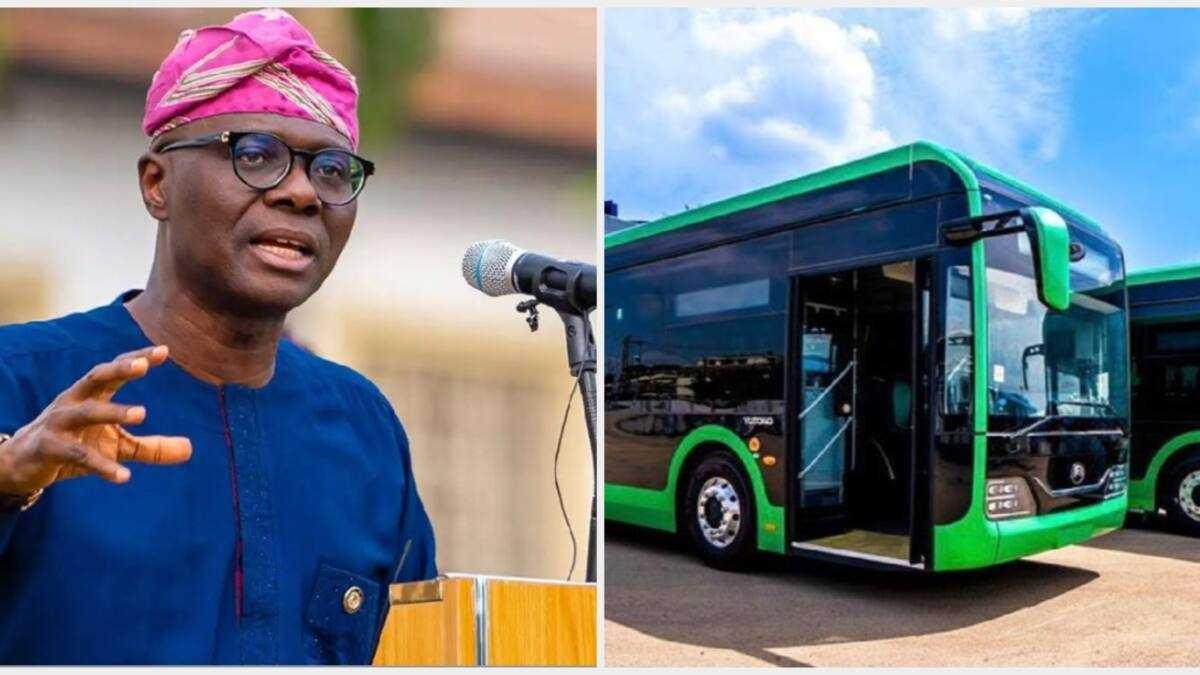
Lagos State has added 11 new electric buses to its public transport network under a partnership between the Lagos Metropolitan Area Transport Authority and Oando Clean Energy Limited. The buses are the first batch of an additional 50 vehicles planned under the current phase, with 39 more expected to follow and a long term target of 552 electric buses. The expansion follows a two bus pilot that reportedly carried about 788,000 passengers, covered 433,000 kilometres and avoided approximately 216,000 litres of diesel.
The Lagos State Government has expanded its push toward cleaner public transportation with the deployment of 11 new electric buses under its partnership with Oando Clean Energy Limited, marking the first major expansion of an initiative that began with two pilot vehicles in 2023. The new buses form the first batch of an additional 50 vehicles expected under the current phase of the programme, with 39 more scheduled to follow as the state gradually increases the use of zero emission buses across its public transport network. The deployment represents another step in Lagos’ effort to reduce dependence on diesel powered mass transit while improving efficiency, air quality and the long term sustainability of transportation in Africa’s most populous city.
The buses were unveiled under the supervision of the Lagos Metropolitan Area Transport Authority, with Transportation Commissioner Oluwaseun Osiyemi describing the expansion as an important milestone in the state’s transition toward cleaner and more environmentally sustainable mobility. According to the state, the project demonstrates how public sector planning and private investment can be combined to introduce new transport technology without abandoning the need for reliability, affordability and large scale passenger movement. The government says the broader objective is to build a public transport system capable of meeting Lagos’ rapidly growing mobility needs while reducing emissions from conventional diesel buses.
Oando Clean Energy Limited is supplying the buses as part of a partnership developed with LAMATA to accelerate the electrification of mass transit in the state. The latest 11 vehicles are being added to the two electric buses that have already been operating since 2023, bringing the number supplied under the programme to 13. The current phase is expected to increase that number to 52 once the remaining 39 buses are delivered, after which the partnership is intended to move toward a much larger long term target of 552 electric buses operating across Lagos transport corridors.
The state’s decision to expand the programme follows the performance of the original two bus proof of concept, which was designed to test whether electric buses could operate effectively under Lagos conditions. Since their deployment, the two buses have reportedly transported about 788,000 passengers and covered approximately 433,000 kilometres while avoiding an estimated 216,000 litres of diesel consumption. Operators also reported close to zero downtime, giving LAMATA and Oando confidence that the technology could cope with heavy passenger demand, long operating hours, traffic congestion and the hot, humid conditions typical of Lagos.
The pilot phase was particularly important because electric bus systems that perform well in controlled environments may face very different challenges when introduced into a megacity with severe congestion and intensive daily usage. Lagos buses often operate for extended periods and may experience long delays in traffic, placing significant demands on battery performance, cooling systems and charging infrastructure. The successful operation of the first two vehicles therefore provided state officials with practical information about range, energy consumption, maintenance requirements and passenger acceptance before committing to a larger deployment.
The buses are supplied by Chinese manufacturer Yutong and are designed specifically for urban mass transit. The model used in Lagos has been adapted for tropical conditions and is equipped with electric drivetrain systems intended to provide stable performance in hot and humid environments. Yutong says the vehicles have been tested under Lagos operating conditions since 2023 and that the results demonstrated sufficient reliability and driving range to support the larger rollout now beginning.
The earlier buses deployed under the programme were capable of travelling about 280 kilometres on a full charge, making them suitable for multiple urban trips before returning to charging facilities. That range is particularly relevant in Lagos because public buses can cover significant distances during daily operations, especially on routes connecting densely populated residential districts with major commercial centres. Battery range must therefore be sufficient to support continuous service without requiring frequent interruptions for charging.
Charging infrastructure remains one of the most important components of the expansion. Electric buses cannot simply replace diesel vehicles without dedicated facilities capable of charging large batteries quickly and reliably. Oando and LAMATA have therefore been developing charging systems alongside the vehicle rollout, with the expectation that infrastructure will expand as additional buses enter service.
The transition also requires careful planning around electricity supply. Lagos continues to experience broader power supply challenges, meaning charging depots must be designed to operate reliably even where the public grid is unstable. Energy management, backup systems and charging schedules will therefore be essential if the electric fleet is expected to operate consistently during peak commuting periods.
State officials argue that the environmental benefits justify those infrastructure investments. Diesel buses are significant contributors to urban air pollution because they emit carbon dioxide, nitrogen oxides and particulate matter during operation. In a city with millions of daily road journeys and extensive traffic congestion, reducing emissions from public transport can contribute to improved air quality, particularly along heavily travelled corridors.
The government has linked the electric bus programme to Lagos’ wider ambition to achieve net zero emissions by 2050. Transportation is one of the sectors expected to play a central role in that effort because road traffic represents a major source of fuel consumption and pollution. Replacing even a portion of the state’s conventional bus fleet with electric vehicles could therefore reduce fuel demand while also lowering local emissions.
The economic argument is also important because diesel prices have become a significant operating expense for transport companies and government backed bus services. Electric buses require substantial upfront investment, but operators can potentially reduce fuel and maintenance costs over the life of the vehicle because electric drivetrains have fewer moving components than conventional diesel engines. The pilot programme’s reported avoidance of 216,000 litres of diesel provides an early indication of the potential savings if the fleet expands significantly.
Those savings, however, do not automatically mean electric buses will be cheaper in every circumstance. Purchase costs, battery replacement, charging infrastructure, electricity tariffs and technical maintenance all affect the total cost of ownership. The long term success of the programme will therefore depend on whether Lagos can achieve lower operating costs while maintaining reliable passenger service.
Maintenance capacity will be another critical factor. Electric buses require technicians trained in high voltage systems, battery diagnostics, power electronics and software based vehicle management. Lagos will therefore need a workforce capable of maintaining the fleet locally rather than relying excessively on foreign technical support.
The partnership with Oando is expected to include technical and operational support as the programme expands. Building local expertise will become increasingly important if the fleet eventually reaches hundreds of vehicles because even small maintenance delays can significantly affect service when large numbers of passengers depend on the system every day.
The planned 552 bus target represents a much larger transformation than the current deployment of 11 vehicles. Reaching that scale would require substantial investment in buses, charging depots, electricity infrastructure, maintenance facilities, training and route planning. It would also require coordination between LAMATA, bus operators, power providers and private sector partners to ensure that vehicles are deployed where they can deliver the greatest operational and environmental benefits.
Lagos’ population makes such planning particularly challenging. Millions of residents depend on road based public transport, and passenger demand varies sharply across different corridors and times of day. Electric buses will therefore need to be assigned strategically so that battery range, charging access and passenger volumes are aligned with route conditions.
The state already operates a broader mass transit system that includes Bus Rapid Transit services, conventional buses, rail and water transportation. The electric bus programme is therefore not intended to replace every existing mode but to become part of an integrated network in which passengers can move between different services. Officials have repeatedly said the goal is to reduce travel times, improve reliability and provide cleaner alternatives without disrupting the overall transport system.
The expansion comes as Lagos continues investing heavily in rail infrastructure through the Blue Line and Red Line projects. The government is also extending rail routes and adding capacity while improving bus corridors and interchange facilities. Electric buses can complement those investments by carrying passengers to and from stations and serving areas where rail infrastructure is not practical.
That integration could be particularly useful in densely populated districts where constructing new rail lines would be expensive or disruptive. Electric buses can be introduced more quickly because they use existing roads, although congestion remains a major challenge regardless of the type of vehicle being used. Dedicated bus lanes and effective traffic management may therefore be necessary if the new vehicles are expected to deliver meaningful improvements in journey times.
The environmental impact will also depend on how the electricity used to charge the buses is generated. Electric vehicles produce no exhaust emissions while operating, but their overall carbon footprint is influenced by the energy sources supplying the grid. Nigeria’s power generation mix includes natural gas and other sources, meaning the programme’s climate benefits will increase further if renewable energy plays a larger role in charging infrastructure.
Oando Clean Energy has positioned the project as part of a broader strategy to decarbonise transportation in Nigeria. The company has increasingly invested in cleaner energy projects alongside Oando’s traditional oil and gas operations, and the Lagos partnership provides a high profile demonstration of electric mobility in one of Africa’s largest urban markets. Success in Lagos could influence similar projects in other Nigerian cities.
Private sector participation is likely to be essential because the cost of converting public transport fleets to electric vehicles is significant. Governments alone may struggle to finance buses, charging infrastructure and technical support at the scale required. Partnerships with energy companies, manufacturers and financial institutions can therefore help spread the investment burden while allowing public agencies to retain control over routes, regulation and service standards.
The Lagos programme may also create opportunities for local assembly and manufacturing if the fleet continues expanding. Large scale orders could justify investment in local vehicle assembly, battery servicing and component supply, potentially creating jobs while reducing dependence on imported fully built buses. State and federal officials have previously expressed interest in developing domestic capacity around electric mobility and clean energy technologies.
The buses could also provide valuable operational data that helps shape future policy. LAMATA will be able to monitor battery performance, electricity usage, passenger numbers, maintenance costs and route efficiency across a much larger sample than the original two bus pilot. That information could determine whether the state accelerates deployment or adjusts its approach before moving toward the 552 bus target.
Passenger response will be another important measure. Electric buses generally provide quieter operation and smoother acceleration than diesel vehicles, potentially improving the travel experience. However, passengers will judge the programme primarily on reliability, affordability, safety and waiting times rather than environmental benefits alone.
Fare policy will therefore remain important. If electric buses are introduced but become significantly more expensive than existing public transport, many commuters may continue relying on cheaper alternatives. The state has not indicated that the new vehicles will operate under a fundamentally different fare structure, suggesting they are intended to function as part of the wider regulated public transport system.
The success of the pilot also suggests that electric buses can operate effectively despite Lagos’ challenging road and traffic conditions. The reported 433,000 kilometres covered by the first two vehicles over several years provides a meaningful operational record, while the claim of almost zero downtime indicates that the buses did not suffer major reliability problems during the testing period.
That experience appears to have influenced the decision to move from demonstration to deployment. Rather than introducing hundreds of buses immediately, Lagos and Oando began with a small number, gathered performance data and are now expanding gradually. Such an approach can reduce financial risk because problems can be identified before large scale procurement occurs.
The current 50 bus phase will effectively serve as the next major test. A fleet of 52 electric buses, including the two original vehicles, will create operational demands very different from managing only two demonstration units. Charging schedules, maintenance capacity and route allocation will all become more complicated as the number of vehicles increases.
If the expanded fleet performs successfully, Lagos will have stronger evidence to support the proposed move toward 552 electric buses. If significant problems emerge, the state will still have an opportunity to adjust infrastructure, vehicle specifications or operating procedures before committing to the larger target.
The project also has implications for fuel consumption at a time when Nigeria continues to experience volatility in petroleum prices. Public transport operators have faced higher operating costs following changes in fuel subsidies and broader energy market conditions. Electric buses could provide an alternative that reduces exposure to diesel price fluctuations if electricity costs remain competitive.
For Lagos residents, the environmental benefits may become increasingly visible if enough vehicles are deployed. Diesel exhaust contributes to poor air quality along congested roads, particularly where buses remain stationary in traffic for long periods. Electric vehicles eliminate tailpipe emissions during operation, which can improve conditions around bus stops, terminals and crowded transport corridors.
Noise pollution could also be reduced because electric motors are significantly quieter than diesel engines. In a densely populated city where traffic noise is constant, even modest reductions across large fleets could improve the urban environment.
The government’s 2050 net zero target remains ambitious, and the current 11 buses represent only a small fraction of the vehicles operating daily across Lagos. The significance of the programme therefore lies less in the immediate number of buses and more in whether the deployment becomes the foundation for a much larger shift in public transport technology.
The long term target of 552 electric buses would still represent only part of Lagos’ overall public transport requirements, but it would create one of the largest electric bus fleets in West Africa. Such a deployment could provide a model for other African megacities facing similar challenges involving congestion, air pollution, fuel costs and rapidly growing populations.
Lagos’ experience will therefore be closely watched by transport authorities, energy companies and vehicle manufacturers across the region. If the buses prove reliable and financially sustainable, the programme could strengthen the case for electric mass transit elsewhere. If infrastructure or operating costs become problematic, the lessons will be equally important for other cities considering similar investments.
For now, the latest deployment represents a clear move beyond experimentation. The state is no longer simply testing whether electric buses can operate in Lagos but is beginning to integrate them into the public transport system at a meaningful scale. The 11 new vehicles are the first part of a 50 bus expansion, with another 39 expected as the programme develops.
The larger significance is that Lagos is attempting to modernise transportation while addressing environmental and energy challenges at the same time. The state continues to face severe congestion, high passenger demand and infrastructure pressures, but the successful pilot has provided officials with enough confidence to expand the electric bus programme rather than abandon it after a small demonstration.
Whether that confidence is justified will become clearer as the new buses enter regular service and begin carrying passengers under real world conditions. Their performance, maintenance record, charging requirements and operating costs will determine how quickly Lagos can move toward its proposed 552 bus fleet.
The state’s immediate task is therefore to ensure that the expansion maintains the reliability achieved during the original pilot. If it does, the programme could reduce diesel consumption, improve air quality and provide Lagos commuters with a cleaner and more modern public transport option while creating a foundation for broader electric mobility across Nigeria.