REAL MADRID APOLOGISES TO CHINA AFTER MBAPPÉ COMMENTS TRIGGER MAJOR BACKLASH
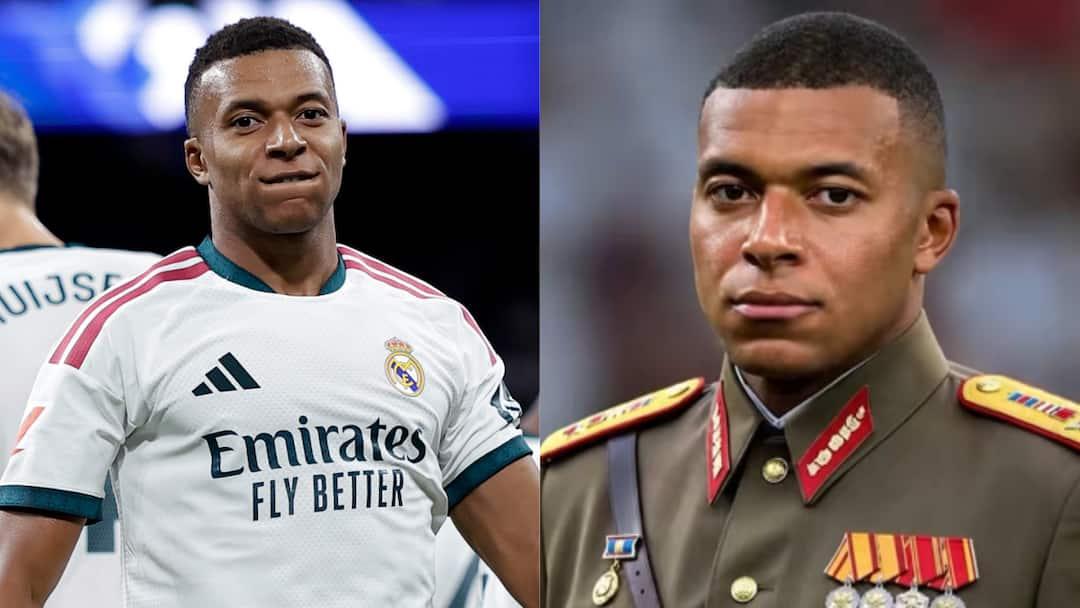
Real Madrid has formally apologised to the Chinese public following the backlash over Kylian Mbappé’s comments about an internet meme appearing to depict Mao Zedong. Mbappé had already apologised after acknowledging that his remarks were poorly judged and had upset people in China. At least three Chinese companies ended commercial relationships with him, while Chinese state television reportedly suspended coverage connected to Spanish football and the player. Real Madrid has now expressed regret and emphasised its respect for China, its culture and its supporters.
Real Madrid has issued a formal apology to the Chinese public after comments made by French forward Kylian Mbappé about an internet meme triggered a major backlash in China, cost the player several commercial partnerships and led to disruption of Spanish football broadcasts in the country. The Spanish club released its statement on Wednesday after criticism continued despite an earlier personal apology from Mbappé, marking an escalation of a controversy that has rapidly moved from an online football joke into a significant commercial and diplomatic issue involving one of the world’s most famous footballers.
In its statement, Real Madrid expressed regret for any discomfort caused by Mbappé’s recent words and emphasised that the club maintains deep respect for China, its history, its culture and its citizens. The club also highlighted the importance of the millions of Chinese supporters who follow and admire Real Madrid, making clear that it wanted to distance the institution from any interpretation that the comments reflected disrespect toward the country or its people.
The apology followed several days of mounting criticism in China after a video circulated online showing Mbappé discussing internet memes about himself. During the conversation, the Real Madrid forward was asked which meme involving him he found particularly amusing and referred to one showing his face superimposed on a historical figure he described as someone he believed was a Chinese dictator. The video then appeared to show an edited image resembling Mao Zedong, the founding leader of the People’s Republic of China.
Mbappé did not directly name Mao in the circulated clip, an important distinction in reporting the controversy. Reuters said it had not independently authenticated the original video, although the footage spread rapidly across Chinese and international social media and was widely understood as referring to Mao. The clip was reportedly connected to a French language programme and was later removed from the platform where it had appeared.
The reaction in China was immediate and severe because Mao remains an exceptionally sensitive historical and political figure. Mao led the Communist Party to victory in the Chinese civil war and founded the People’s Republic of China in 1949, remaining the country’s dominant political leader until his death in 1976. Public ridicule or casual satire involving him remains highly sensitive in China, where his political legacy continues to occupy a central position in the official history of the modern state.
Chinese social media users criticised Mbappé heavily after the video began circulating, with some calling for brands and broadcasters to distance themselves from him. The controversy quickly moved beyond online criticism when several major Chinese companies announced that they were ending commercial relationships with the French captain.
Chinese dairy group Mengniu was among the companies that terminated cooperation with Mbappé. Shanghai Milkground Food Tech and Eastroc Beverage also ended their commercial relationships with the player, demonstrating the speed with which reputational controversies can affect foreign celebrities operating in the Chinese consumer market. At least three Chinese brands had publicly ended cooperation with him by the time Real Madrid issued its apology.
The commercial impact was particularly significant because Mbappé is one of the most marketable footballers in the world and has built a substantial advertising profile in Asia. His image has appeared across products, promotional campaigns and digital advertising in China, giving the controversy consequences far beyond football.
Chinese state television also suspended broadcasts connected to Spanish football and events involving Mbappé, according to Chinese media reports cited by international news organisations. Advertisements and promotional material featuring the player were also removed in some places, increasing pressure on both Mbappé and Real Madrid to address the reaction.
The scale of the response led Mbappé to issue his own apology on Tuesday in French, English and Chinese. He acknowledged that his comment had been poorly judged and said he now understood that it had hurt people in China and members of Chinese communities elsewhere in the world. He apologised to those upset by his words and said causing offence had not been his intention.
Mbappé also emphasised that he respects the Chinese people and their history. His statement represented an attempt to contain the commercial and public relations damage, but the controversy continued after the apology as Chinese companies maintained their decisions to end partnerships and public criticism remained strong.
China’s Foreign Ministry responded cautiously to the apology. Spokesperson Guo Jiakun said Beijing had taken seriously the apology made by the individual concerned, signalling that Chinese authorities had acknowledged Mbappé’s response without suggesting that the broader controversy was completely resolved.
The China Football Association had earlier lodged what was described as a stern protest with Real Madrid and demanded formal apologies from both the player and the club. Real Madrid’s statement on Wednesday therefore directly addressed one of the demands emerging from Chinese football authorities and marked the first formal intervention by the Spanish club itself.
Real Madrid’s decision to respond demonstrates the commercial importance of China to elite European football. The club has spent years building its presence in the Chinese market through sponsorships, merchandise, digital platforms, promotional tours and supporter engagement. China represents one of the largest international audiences for European football, making reputational disputes in the market potentially expensive for clubs as well as individual players.
Real Madrid has a particularly strong international brand and counts large numbers of supporters across Asia. The club’s statement made deliberate reference to Chinese fans, signalling concern that anger directed initially at Mbappé could spread to the institution itself if management appeared indifferent.
The controversy has also affected LaLiga. League president Javier Tebas issued an apology and met with China’s ambassador to Spain as Spanish football authorities attempted to protect their relationship with Chinese broadcasters, commercial partners and supporters. LaLiga has invested heavily in international markets and has identified China as an important destination for expanding the league’s global audience.
The possibility of broadcast disruption therefore represents a significant concern. Real Madrid and Barcelona are among the most followed foreign football clubs in China, while stars such as Mbappé generate substantial attention for Spanish league matches. If restrictions on broadcasts involving the player continue, the consequences could extend beyond his personal sponsorship income and affect LaLiga’s wider commercial interests.
The episode highlights the complicated relationship between global sports stars and culturally sensitive markets. Players such as Mbappé communicate to audiences across dozens of countries, meaning comments that may appear casual or humorous in one environment can produce dramatically different reactions elsewhere.
International brands are particularly cautious in China because the market is extremely large and consumer backlash can develop rapidly on platforms such as Weibo. Companies associated with foreign celebrities often respond quickly when controversies are perceived as involving Chinese national identity, territorial questions or historical figures.
Mbappé’s case is not the first example of a major sports figure or organisation facing commercial consequences after remarks that angered Chinese audiences. International companies, basketball organisations, fashion brands and entertainers have previously experienced boycotts, cancelled partnerships or broadcasting restrictions following politically or culturally sensitive disputes.
The unusual element in Mbappé’s case is that the controversy originated from an internet meme rather than a formal political statement. The memes themselves grew out of football humour surrounding perceptions of Mbappé’s influence over teams and club decisions, particularly during the latter part of his time with Paris Saint Germain.
Fans began editing Mbappé’s face onto images of political and military leaders as an exaggerated joke about the power he was perceived to hold within football clubs. Some versions depicted historical authoritarian figures, while others were less politically charged.
The joke became closely associated with the nickname suggesting Mbappé behaved like a dictator within football structures. The French forward had previously reacted to some of the memes and acknowledged the humour surrounding his exaggerated reputation for influence.
The Chinese controversy developed when the edited image associated with Mao was discussed publicly. What may have originated as football satire crossed into a far more sensitive historical context once the image circulated widely in China.
The reaction demonstrates how internet humour can lose its original context when distributed internationally. A meme intended primarily to exaggerate the perceived authority of a football player can acquire political meaning when it uses the image of a historical leader whose legacy remains deeply significant in another country.
Mao’s position in Chinese history makes the issue particularly sensitive. He remains officially honoured as the founder of the People’s Republic, even though historians continue to debate the enormous human consequences of policies pursued during his rule. Chinese authorities tightly manage public treatment of his legacy, and satire surrounding Mao can provoke strong public and official reactions.
For Real Madrid, the challenge has been separating the club from the controversy without appearing to abandon one of its most important players. The statement therefore focused primarily on respect for China rather than directly condemning Mbappé.
The club apologised for the discomfort caused by the player’s words while emphasising its longstanding respect for Chinese culture and supporters. That wording allows Real Madrid to acknowledge the reaction without making broader judgments about the historical or political issues underlying the dispute.
Mbappé’s own apology adopted a similar approach. He acknowledged that the comment was poorly judged and that people had been hurt but did not engage in a political discussion about Mao’s historical record.
That strategy reflects the commercial sensitivity surrounding the issue. A broader historical debate would risk extending the controversy rather than resolving it, while the immediate objective for Mbappé, Real Madrid and LaLiga appears to be restoring relationships with Chinese supporters and commercial partners.
Whether those efforts will succeed remains uncertain. The brands that ended their partnerships have not announced that they intend to reverse their decisions following the apologies. Sponsorship agreements can involve significant financial and reputational considerations, and companies may prefer to keep their distance even after the immediate controversy fades.
The television situation will also be closely watched. If Spanish league broadcasts involving Mbappé return quickly, the interruption may ultimately prove temporary. A prolonged suspension would create greater concern for LaLiga and Real Madrid because of the size and commercial importance of the Chinese audience.
There is also a wider question about how global football organisations prepare players for cultural and political sensitivities. Clubs increasingly provide media training and commercial guidance because elite footballers are no longer communicating only with local supporters. A comment made during a casual interview can reach hundreds of millions of people within hours.
Mbappé’s international profile makes that risk even greater. As captain of the French national team and one of Real Madrid’s leading players, his comments attract attention far beyond ordinary football coverage. His commercial partners also expect him to function as a global ambassador whose reputation can influence consumer perception of their brands.
The controversy therefore demonstrates that modern football contracts and sponsorships involve much more than sporting performance. Companies assess players according to image, public behaviour and their ability to represent brands in multiple cultural environments.
For Chinese sponsors, the issue became a question of national sentiment as much as marketing. Several companies used language emphasising respect for national feelings when announcing that they were ending cooperation with Mbappé, indicating that remaining associated with him could have created its own reputational risks among Chinese consumers.
The reaction also illustrates how quickly commercial relationships can unravel. Mbappé’s partnerships were valuable precisely because of his popularity and visibility, but those same qualities increased the speed with which the controversy spread.
Real Madrid now faces the task of rebuilding confidence among Chinese supporters without allowing the issue to dominate the club’s sporting agenda. The Spanish giants remain one of football’s most recognised brands and have significant commercial interests across Asia, meaning management has strong incentives to prevent the controversy from damaging the club’s long term relationship with the region.
The club’s apology is therefore more than a gesture of support for Mbappé. It is also a strategic effort to protect Real Madrid’s own reputation and commercial presence in China.
LaLiga faces similar considerations. Its competition for global audiences with the English Premier League, UEFA competitions and other sports makes access to large markets extremely valuable. Losing broadcast exposure in China, even temporarily, can weaken sponsorship value and reduce visibility for Spanish clubs.
The Chinese response will now determine whether the apologies are sufficient to contain the situation. The Foreign Ministry’s acknowledgment of Mbappé’s apology suggests at least some movement toward de escalation, but commercial decisions remain in the hands of broadcasters and private companies.
There is also no guarantee that social media sentiment will change immediately. Online controversies can continue after official statements because clips, screenshots and reactions remain widely available and are repeatedly shared.
For Mbappé, the personal consequences are already substantial. Losing several Chinese sponsors represents a direct commercial cost, while the incident has introduced a political controversy into the public profile of a player previously known primarily for football and occasional comments on French social issues.
His apology suggests that he recognises the seriousness of the reaction. Real Madrid’s subsequent intervention indicates that the club believes the issue had expanded enough to require an institutional response rather than leaving the player to manage it personally.
The exact financial impact remains unclear. Neither Mbappé nor the companies involved have publicly disclosed the value of all the sponsorship agreements terminated during the controversy, making it impossible to calculate the full commercial loss accurately.
Similarly, the long term effect on Real Madrid and LaLiga cannot yet be measured. Much will depend on whether Chinese broadcasters resume normal coverage and whether consumer anger fades following the apologies.
The episode nevertheless provides a clear example of the risks facing global athletes whose personal brands operate across politically and culturally sensitive markets. A short comment made while discussing an internet joke was enough to trigger cancelled sponsorships, television disruption, criticism from Chinese authorities and formal apologies from both the player and one of the world’s largest football clubs.
For Real Madrid, Wednesday’s statement represents an attempt to draw a line under the controversy by separating the club’s values from the interpretation placed on Mbappé’s words. Its emphasis on respect for Chinese history, culture and supporters signals how important the market remains to the club.
For Mbappé, the immediate challenge is whether his apology will eventually restore trust with Chinese supporters and commercial partners. Some relationships may recover, while others may have ended permanently.
The most significant new development is therefore no longer simply Mbappé’s original comment or his personal apology. Real Madrid itself has now intervened formally, acknowledging the anger in China and expressing regret on behalf of the club.
That intervention shows how far the controversy has travelled from its origins in football internet culture. What began with a meme has developed into a dispute affecting one of football’s biggest stars, multiple Chinese corporations, Spanish football broadcasting and Real Madrid’s relationship with one of the world’s largest sporting audiences.
The situation remains fluid, but Real Madrid’s apology represents the clearest indication yet that the club considers the fallout serious enough to require direct institutional damage control. Whether that response is sufficient will become clearer through the reaction of Chinese broadcasters, sponsors and supporters over the coming days.