
Saudi Arabia, Russia and five OPEC+ producers to keep oil output steady in October
Saudi Arabia, Russia, Iraq, Kuwait, Kazakhstan, Algeria and Oman will maintain their September oil production levels through October 2026. The seven producers have combined required production of about 31.01 million barrels per day and will meet again on October 4 to review market conditions. Nigeria is not part of this specific voluntary production mechanism.
Saudi Arabia, Russia and five OPEC+ producers to keep oil output steady in October
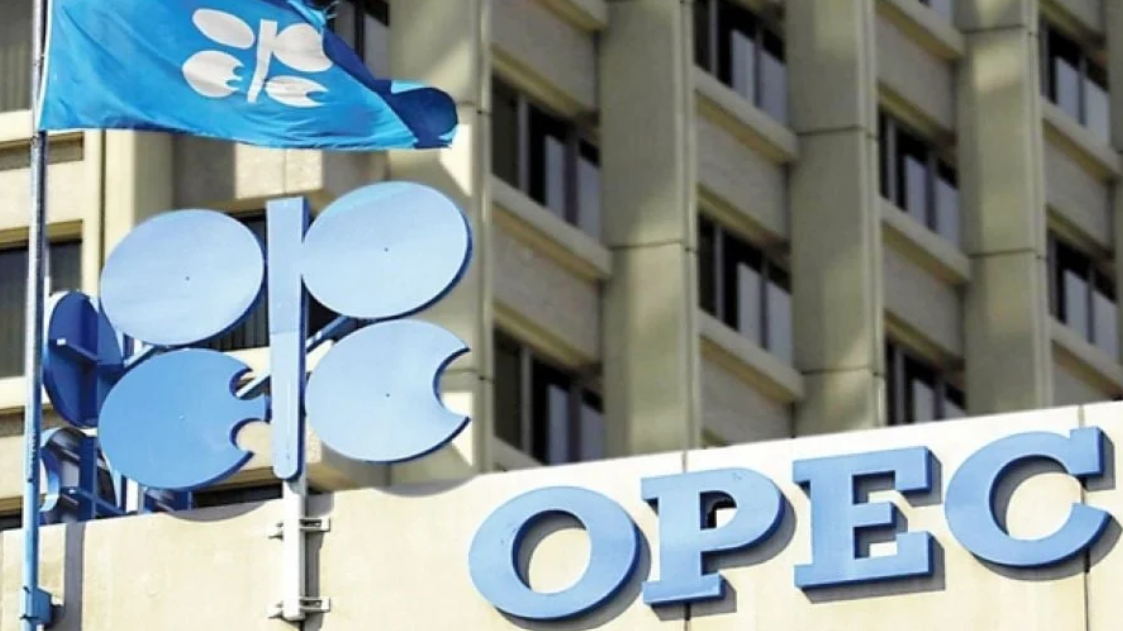
VIENNA — Saudi Arabia, Russia and five other major OPEC+ oil producers will maintain their September production levels in October, marking a pause after a series of increases that gradually unwound earlier voluntary supply cuts.
The seven countries, Saudi Arabia, Russia, Iraq, Kuwait, Kazakhstan, Algeria and Oman, reached the decision following a virtual meeting to assess conditions in the global oil market and the outlook for demand and supply.
The producers had previously introduced additional voluntary production adjustments in April and November 2023 as part of efforts to support stability in the international oil market.
According to production figures released by OPEC, the seven countries have a combined required output of approximately 31.01 million barrels per day.
Saudi Arabia, the largest producer in the group, is expected to maintain production at about 10.49 million barrels per day in October.
Russia's required production level will remain at approximately 9.95 million barrels per day.
Iraq is expected to produce about 4.43 million barrels per day, while Kuwait's level stands at approximately 2.68 million barrels per day.
Kazakhstan will maintain production at about 1.63 million barrels per day.
Algeria's level stands at approximately 1.01 million barrels per day, while Oman is expected to produce about 841,000 barrels per day.
The decision effectively leaves the group's combined production unchanged from September.
Producers pause after months of increases
The decision follows a gradual restoration of production that had previously been removed from the market through voluntary cuts.
OPEC+ producers have used supply adjustments for several years as they attempt to balance global demand, inventories and oil prices.
Holding production steady in October signals a more cautious approach after the recent increases.
The decision also comes during a period of heightened uncertainty in global energy markets, with geopolitical tensions contributing to significant movements in crude oil prices.
Oil prices have recently climbed above $100 a barrel amid concerns about supply disruptions linked to the conflict involving the United States and Iran.
The Middle East accounts for a significant proportion of global crude production and exports, making developments in the region particularly important for international energy markets.
Any disruption to production or shipping routes can quickly affect prices.
OPEC+ stresses compliance
The seven producers also reiterated their commitment to complying fully with the Declaration of Cooperation, the framework governing coordination between OPEC members and participating non OPEC oil producers.
Compliance has remained an important issue for the alliance because some participating countries have periodically produced above their agreed levels.
OPEC said the seven countries would continue monitoring production and global market conditions.
The group will hold monthly meetings to assess whether further adjustments are required.
Its next meeting is scheduled for October 4, when producers are expected to review market developments and determine production policy for the following period.
The ability to adjust production monthly gives the group flexibility to respond to significant changes in demand, inventories and global supply.
Nigeria not part of seven country arrangement
Nigeria is a member of OPEC but is not part of this specific seven country voluntary production mechanism.
The country's current OPEC production target remains approximately 1.5 million barrels of crude oil per day.
Nigeria's production performance is particularly important to government revenue and foreign exchange earnings because crude oil remains one of the country's most important exports.
Higher international oil prices can increase the value of Nigerian crude exports, although the overall benefit depends on the country's ability to meet production targets.
Nigeria has struggled at different periods with oil theft, pipeline vandalism, ageing infrastructure and insufficient investment, all of which have affected production.
The government has been working to increase output and attract additional investment into the petroleum sector.
Oil market remains uncertain
The decision by Saudi Arabia, Russia and the five other producers comes at a sensitive moment for the global energy market.
The group must balance the benefits of higher crude prices against the risks that prolonged high prices could weaken demand, increase inflation and encourage additional production outside OPEC+.
Increasing supply too quickly could push prices lower.
Restricting supply during a period of geopolitical disruption, however, could contribute to further price increases.
By maintaining September's production levels through October, the seven producers have for now chosen not to add further barrels to the market.
Their October 4 meeting will provide the next indication of whether OPEC+ believes current supply levels remain appropriate or whether changing market conditions require another adjustment.