BLESSING CEO ADMITS SHE FABRICATED CANCER DIAGNOSIS TO ATTRACT PUBLIC DONATIONS
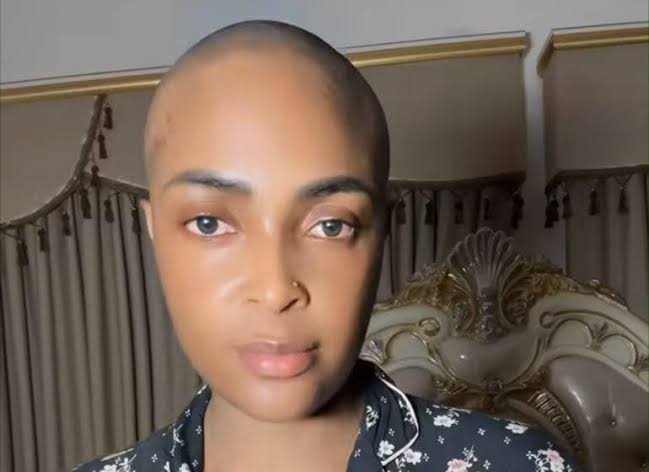
Blessing Okoro, popularly known as Blessing CEO, has admitted that she falsely told the public she had breast cancer in order to attract donations. During an interview with VeryDarkMan, she said doctors had found a lump in her breast but confirmed it was not cancerous, and she nevertheless presented it as cancer because she wanted financial support. Blessing says she raised about ₦13 million before donations stopped after VeryDarkMan challenged her diagnosis, while reports say she also linked the decision to financial pressure surrounding an outstanding dispute. Legit.ng - Nigeria news.
Controversial relationship coach and social media personality Blessing Okoro, popularly known as Blessing CEO, has admitted that she falsely told the public she was suffering from breast cancer in order to attract financial support, months after emotional videos about her supposed diagnosis prompted donations from followers and other members of the public. Speaking during a face-to-face interview with social media activist Martins Vincent Otse, widely known as VeryDarkMan, Blessing said doctors had previously discovered a lump in her breast but that medical examinations showed it was not cancerous. She acknowledged that despite knowing the condition was not cancer, she deliberately presented it publicly as though she had the disease because she wanted people to help her financially.
The admission marks a dramatic reversal from the position she maintained earlier in the year, when she publicly said she had been diagnosed with breast cancer and suggested that treatment would require substantial financial resources. At the time, her posts generated sympathy from followers and supporters, some of whom encouraged her to make her bank details available so they could contribute. Blessing now says she took advantage of that public concern and intentionally exaggerated the medical situation, describing what she did as an emotional strategy intended to persuade people to send money.
During the interview, Blessing said the story began after she went for a medical examination and doctors discovered a lump in her breast. She explained that the finding created genuine concern, but further assessment showed that the lump was not cancerous. Rather than communicate that distinction publicly, she said she chose to present the lump as cancer because she believed the seriousness of the disease would generate greater sympathy and financial support.
She acknowledged that the decision was deliberate rather than the result of confusion over her diagnosis. According to her account, she initially created the impression that she was preparing to sell some of her personal belongings, including her car and house, in order to raise money. Supporters then reportedly encouraged her to release her bank account details instead so they could contribute directly toward what they believed was treatment for cancer.
The donations began coming in from different individuals, with some supporters reportedly sending relatively small amounts and others making larger contributions. Blessing said the fundraising eventually generated approximately ₦13 million before public scrutiny intensified. The figure has been repeated across several reports based on the VeryDarkMan interview, although no independent audit of the donations has been publicly released.
The controversy escalated when VeryDarkMan publicly questioned the cancer claim and demanded medical evidence supporting the diagnosis. He had previously challenged Blessing to provide documentation showing the stage of cancer she claimed to have, warning that soliciting money from members of the public on the basis of a false medical diagnosis could have serious consequences. His intervention turned what had initially been a sympathy-driven fundraising effort into a wider public debate over accountability and verification.
Blessing said donations slowed and eventually stopped after VeryDarkMan began questioning the claim. At the time, she resisted demands to release her medical records publicly and argued that health information was private. She also criticised some of the ways VeryDarkMan challenged her, describing certain comments as disrespectful and insisting that any verification should be handled through medical professionals rather than through public humiliation.
The latest interview changes that context significantly because Blessing now acknowledges that the underlying cancer diagnosis itself was false. She said the original lump was real but confirmed that it was not malignant, making clear that her public portrayal of the condition as breast cancer was intentional. That admission has intensified criticism because donors contributed money based on the belief that they were helping fund treatment for a life-threatening disease.
Blessing also linked her decision to pressure from an outstanding financial dispute. According to her own account, she was under significant pressure and feared being publicly embarrassed if she failed to meet certain financial obligations. Some reports say she told VeryDarkMan that she was dealing with an issue involving a man identified as Mr Onouha and that the situation had attracted the attention of the Economic and Financial Crimes Commission.
She said the pressure contributed to her decision to stage the cancer narrative as a means of raising money quickly. Reports from the interview also state that she used about ₦5 million from the money raised to prepare a bank draft connected to the dispute. Those claims remain based on Blessing’s own explanation and have not been independently established through public court records or a formal EFCC statement.
That distinction is important because the admission that she falsely presented a cancer diagnosis is direct, while some of the surrounding explanation about the financial dispute remains self-reported. Responsible reporting therefore requires separating what Blessing has admitted from what has been independently confirmed. Her confession establishes that she knowingly misrepresented her medical condition, but it does not by itself resolve every question about how the money was used or whether any criminal offence has been formally established.
The legal implications could become significant because fundraising based on knowingly false representations may attract scrutiny under Nigerian criminal and financial laws. However, no court has yet convicted Blessing in relation to the cancer fundraising matter, and it would therefore be inaccurate to describe her as legally guilty of fraud unless prosecutors file charges and a court reaches such a conclusion. Any criminal liability will depend on the evidence available to investigators and the legal interpretation of her actions.
The central issue for investigators would likely be whether people transferred money because they relied on a representation she knew to be false. Blessing’s own admission that she deliberately told the public the lump was cancerous despite knowing it was not could become important if authorities decide to examine the matter formally. The amount collected, how funds were solicited and what donors were told may all be relevant to any future investigation.
VeryDarkMan has previously been vocal about public fundraising controversies and has repeatedly challenged influencers to provide evidence when seeking money from followers for medical or charitable reasons. His intervention in Blessing’s case followed that pattern, although the dispute also became highly personal because of the history of hostility between the two personalities. Their public confrontations have frequently generated large audiences across social media platforms.
The fact that the admission emerged during an interview with VeryDarkMan gives the story an unusual dimension because he was one of the people who most aggressively questioned the original claim. He had publicly warned that Blessing should be able to prove the seriousness of the diagnosis if she was receiving donations on that basis. The subsequent confession has therefore been presented by his supporters as vindication of his earlier scepticism.
At the same time, the episode raises broader concerns about online fundraising and the ease with which emotionally powerful claims can generate large amounts of money before they are independently verified. Social media allows individuals to reach thousands or millions of potential donors directly, often without the documentation or oversight that would normally accompany fundraising by established charities. That speed can be beneficial during genuine emergencies but also creates opportunities for abuse.
Medical fundraising is particularly vulnerable because potential donors often respond emotionally to serious illnesses such as cancer. People may feel reluctant to question a diagnosis because doing so can appear insensitive, especially when the individual involved shares emotional videos or visible signs of distress. That social pressure can discourage scrutiny until after significant sums of money have already been transferred.
Blessing’s admission demonstrates how easily that dynamic can be manipulated when a public figure has a large following. By her own account, she understood the emotional impact of a cancer diagnosis and consciously used it to increase the likelihood that people would help financially. That acknowledgment is one of the most consequential elements of the interview because it shows that sympathy was not simply an unintended reaction to incomplete information but part of the fundraising strategy.
The controversy may also damage legitimate medical fundraisers. People who donate to cancer patients and other seriously ill individuals often do so based primarily on trust, particularly when campaigns spread through social media rather than formal organisations. High-profile cases involving false claims can make donors more suspicious and may ultimately make it harder for genuine patients to raise urgently needed money.
Healthcare advocates have repeatedly encouraged people seeking public support to provide verifiable medical documentation while protecting sensitive information where necessary. Verification does not require publishing every private medical detail online, but trusted hospitals, doctors, lawyers or recognised fundraising platforms can confirm whether a diagnosis and treatment plan are genuine. That kind of third-party validation can protect both patients and donors.
The Blessing CEO controversy also demonstrates the limitations of relying on celebrity or influencer status as evidence of credibility. Large followings do not necessarily provide independent verification of personal claims, and supporters may be more willing to trust familiar personalities than unknown individuals. The emotional relationship between influencers and audiences can therefore create both powerful fundraising opportunities and significant risks.
Her earlier social-media posts intensified that emotional relationship. Reports from the period show Blessing appearing distressed and discussing the possibility of selling personal belongings to fund treatment. Those posts generated substantial public concern and encouraged followers to mobilise around her. Some people reportedly interpreted the situation as an example of a public figure confronting a serious illness despite her controversial reputation.
The story then shifted when VeryDarkMan questioned whether her medical evidence matched the seriousness of the diagnosis being presented publicly. He called on her to produce documentation and warned that people who had donated would be entitled to ask questions about how their money was obtained and used. The disagreement became increasingly hostile as Blessing resisted demands for public medical disclosure.
At one stage, she argued that her privacy should be respected and proposed that medical consultants could review relevant documents rather than releasing records directly to social media. That position was not inherently unreasonable because patients normally have a right to medical privacy. However, the latest confession changes the significance of those earlier statements because she now says the cancer diagnosis she was defending was not true.
Questions are therefore likely to be asked about whether donors will receive refunds. Reports surrounding the controversy indicate that some contributors had already demanded their money back before the latest interview. Blessing’s current position on refunding the full amount has not been clearly established in the most recent verified reports.
Any refund process could become complicated because donations may have come from numerous individuals using different banking channels and because some funds may already have been spent. A transparent accounting of how much was received and where the money went would likely be necessary if Blessing attempts to reimburse contributors. Without such documentation, disputes over the true amount raised could continue.
The reported ₦13 million figure is itself based primarily on Blessing’s statement during the interview. No bank statement or independently verified financial record has been publicly released confirming the exact total. The number should therefore be attributed to her rather than presented as an independently audited amount.
The same caution applies to the reported ₦5 million bank draft. Blessing reportedly said part of the donations was used toward an outstanding financial obligation, but the purpose and legal context of that payment have not been fully documented publicly. If investigators become involved, financial records could provide a clearer picture of how the donations were handled.
Public reaction has been intense because the case combines several highly sensitive issues, including cancer, public sympathy, online fundraising and trust. Many social media users have expressed anger that people may have donated believing they were helping someone fight a potentially fatal disease. Others have focused on the need for due process and warned against treating online outrage as a substitute for a formal investigation.
Those two perspectives do not necessarily conflict. Blessing’s own admission can be criticised as a serious deception while the question of criminal responsibility remains for investigators and courts to determine. Public accountability and legal guilt are not the same thing, and responsible reporting should maintain that distinction.
The case may also prompt renewed debate about whether social-media fundraising should be subject to stronger oversight. Nigeria has a rapidly growing digital economy, and personal fundraising campaigns frequently circulate through Instagram, X, TikTok, Facebook and WhatsApp. Many are legitimate, but there is no uniform verification system covering every appeal.
Formal crowdfunding platforms often require identity checks and supporting documentation, but direct bank transfers bypass much of that oversight. Influencers can post account numbers to millions of followers and receive significant sums without any independent intermediary reviewing the underlying claim. That creates a regulatory gap authorities may eventually need to address.
The controversy also raises questions for brands and companies that work with influencers. Reputation has become a significant commercial asset in online marketing, and public trust is central to an influencer’s ability to attract sponsorships or sell products. An admission involving a false cancer claim could therefore create consequences beyond social-media criticism.
Advertisers may become more cautious about associating with personalities whose conduct creates legal or reputational risk. At the same time, controversial influencers often retain significant audiences precisely because conflict generates attention. The commercial impact on Blessing will therefore depend partly on how followers, advertisers and platforms respond over time.
Blessing CEO has built much of her public profile around provocative commentary about relationships, marriage and gender issues. Her opinions have frequently generated controversy, helping her build a large digital following and making her one of Nigeria’s more recognisable relationship commentators. That history means the current scandal is unfolding before an audience already familiar with public disputes surrounding her.
The cancer controversy is different from many earlier disputes because it involves financial contributions from members of the public. Statements made purely for attention may damage reputation, but a false claim used to encourage people to transfer money creates additional ethical and potentially legal concerns. That distinction explains why the admission has attracted particularly intense scrutiny.
VeryDarkMan’s role also reflects his broader position within Nigeria’s social-media ecosystem. He has developed a large following by publicly challenging celebrities, businesses and institutions over alleged wrongdoing or inconsistencies. His methods are frequently controversial, but his supporters argue that he has created a form of informal accountability by demanding documentation from people who make public claims involving money.
Critics of VeryDarkMan argue that his approach can become confrontational and that public accusations can expose individuals to harassment before facts are fully established. Those concerns remain relevant even where one of his challenges later proves justified. Social-media activism does not replace formal journalism, law enforcement or the courts.
In Blessing’s case, however, the central factual dispute has changed dramatically because she has now admitted that the cancer claim was false. The question is no longer simply whether VeryDarkMan had sufficient evidence to challenge her diagnosis. The focus has shifted toward why she made the claim, how much money was collected, what happened to the donations and whether contributors will be reimbursed.
The medical aspect also needs careful treatment. Having a breast lump does not automatically mean a person has breast cancer. Many breast lumps are benign, and doctors typically use imaging, clinical examination and biopsy where necessary to determine whether abnormal tissue is malignant. Blessing’s own account indicates that she knew her lump was not cancerous when she publicly described it as cancer.
That distinction is critical because confusion about breast lumps can create unnecessary fear. Medical professionals encourage people who discover unusual breast changes to seek proper evaluation, but a benign lump should not be treated as equivalent to a cancer diagnosis. Misrepresenting the two can contribute to misinformation about an already frightening disease.
The controversy may therefore be harmful not only to donors but also to people living with genuine cancer. Patients often face significant treatment costs, uncertainty and emotional stress, and public sympathy campaigns can be essential where health insurance or personal finances are insufficient. False claims risk undermining trust in those campaigns and creating additional scepticism toward people who genuinely need help.
Cancer organisations and patient advocates may use the controversy to encourage stronger verification practices rather than discouraging donations altogether. Donors can request hospital documentation, verify treatment centres or contribute through reputable organisations without publicly demanding every detail of a patient’s health record. That approach balances compassion with accountability.
Blessing’s admission could also expose her to civil claims from individual donors seeking repayment. Whether such actions are pursued would depend on the circumstances of each contribution and the willingness of donors to take legal action. Civil disputes are separate from any potential criminal investigation and could arise even if authorities do not file charges.
Some donors may simply request refunds directly. Others may consider the amounts too small to justify legal proceedings but still publicly demand accountability. If a large number of contributors coordinate, the pressure could become more significant.
Authorities have not publicly announced a new criminal charge specifically arising from the cancer fundraising admission at the time of this report. That could change if complaints are submitted or if investigators determine that the matter warrants examination. Until then, allegations of criminal fraud should remain described as potential legal issues rather than established convictions.
The involvement of the EFCC in the background dispute also requires caution. Blessing herself reportedly referred to pressure involving an outstanding payment and the anti-graft agency, but that does not establish that the EFCC directed, knew about or was connected to her decision to make the cancer claim. Any suggestion otherwise would require independent confirmation from the agency.
What is established is that Blessing says financial pressure influenced her behaviour. She described fear of embarrassment and the need for money as factors that pushed her toward the false public narrative. That explanation may provide context, but it does not change the central admission that the public was intentionally misled.
The interview with VeryDarkMan therefore represents a significant moment in the controversy because it provides Blessing’s own version of how the scheme developed. Rather than continuing to dispute accusations that her diagnosis was false, she accepted responsibility for misrepresenting the condition and acknowledged that financial support was the objective.
Whether the admission will reduce public anger or intensify it remains uncertain. Confessions can sometimes help repair reputational damage when accompanied by restitution and accountability, but the seriousness of the deception and the involvement of donor money may make rebuilding trust difficult. Much will depend on what she does next.
A clear statement on refunds would likely become one of the most important developments. Donors may also expect a full accounting of the approximately ₦13 million she says was received. Transparency around bank records and spending could help clarify issues that remain disputed.
There may also be questions about whether anyone else participated in the fundraising or knew the diagnosis was false. No credible evidence has yet established that other individuals helped plan the deception. Unless such evidence emerges, responsibility should remain focused on the actions Blessing herself has admitted.
The platforms on which the fundraising was promoted could also face pressure to review content policies around medical claims. Social networks generally prohibit certain forms of fraud and deceptive conduct, but enforcement often occurs only after reports are filed. Influencers with large followings can therefore reach substantial audiences before platforms intervene.
Stronger verification rules for direct fundraising could reduce that risk, although platforms would have to balance fraud prevention against the ability of genuine patients to seek urgent assistance. Requiring formal medical confirmation for every personal appeal may create barriers for people without easy access to documentation or specialist care.
The broader lesson is therefore one of verification rather than blanket suspicion. Compassion remains important, but public fundraising works best when claims can be independently confirmed and donors understand how money will be used. Transparent structures protect both the person asking for help and the people providing it.
Blessing CEO’s confession has transformed what had been a dispute over whether her diagnosis was genuine into an admitted case of deliberate misrepresentation. By saying she knew the lump was not cancerous and nevertheless presented it as cancer, she has removed the central factual uncertainty that drove months of argument online.
What remains unresolved is the full financial picture. The reported ₦13 million total, the alleged ₦5 million payment connected to another dispute and the remaining balance have not been independently audited publicly. Those questions may become increasingly important if donors or authorities demand documentation.
The legal consequences also remain uncertain. An admission on social media or in an interview can become evidence, but whether it results in prosecution depends on the actions of investigators, prosecutors and courts. Until formal proceedings occur, Blessing should not be described as convicted of fraud.
The reputational consequences are already immediate. Cancer is one of the most emotionally powerful medical conditions and one that affects countless Nigerian families. Using the disease as the basis for a knowingly false fundraising campaign is likely to remain one of the most serious controversies of Blessing CEO’s public career.
For VeryDarkMan, the confession strengthens his argument that public figures seeking financial support should be prepared to provide reasonable verification. It may also increase his influence in future online disputes, although his methods will continue to attract debate.
For donors, the controversy is another reminder that even emotionally compelling appeals should be approached with basic due diligence. People can still help those facing genuine emergencies while asking for credible documentation and transparent fundraising structures.
For Blessing CEO, the focus now shifts from whether the cancer diagnosis was real to what accountability follows her admission. That could include refunds, further public explanation, legal scrutiny or all three depending on how donors and authorities respond.
The most important verified fact remains her own confession. Blessing CEO says she did not have cancer, knew the breast lump was not cancerous and deliberately told the public otherwise because she wanted financial assistance. She says the fundraising generated about ₦13 million before scrutiny from VeryDarkMan brought the donations to a halt.
That admission has ended one controversy and opened several new ones. The questions now concern the money, the donors and whether the case moves beyond social-media accountability into formal legal proceedings.