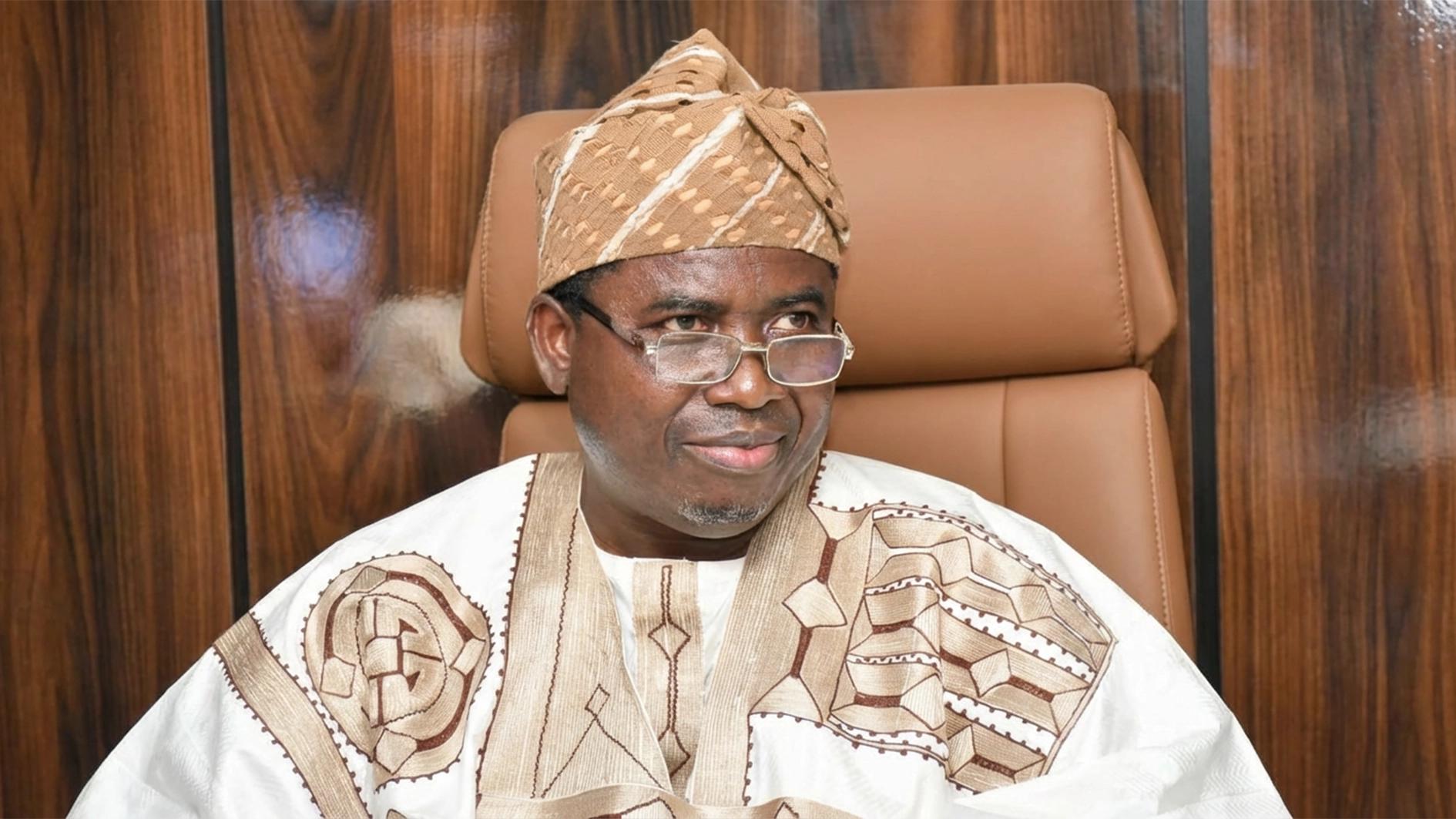
U.S. CALLS ON NIGERIA TO RELEASE YAHAYA SHARIF-AMINU AS BLASPHEMY CASE DRAWS FRESH INTERNATIONAL PRESSURE
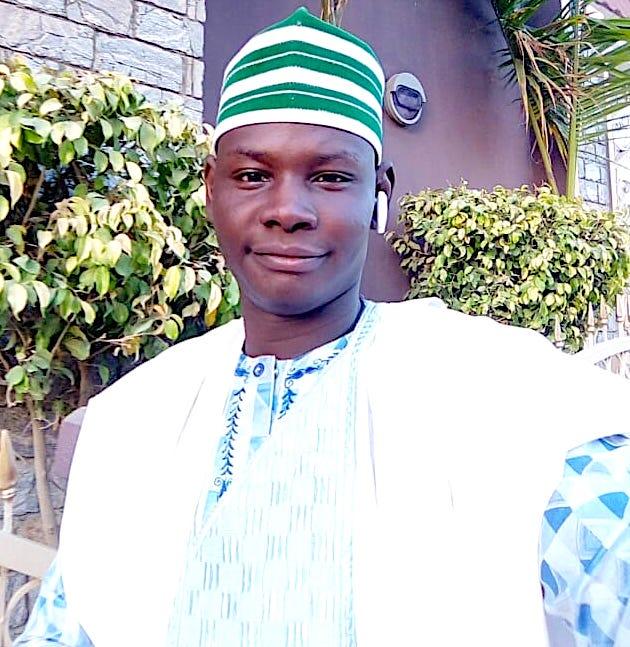
The United States has renewed calls for Nigeria to release Sufi musician Yahaya Sharif-Aminu, who has remained imprisoned since 2020 over a blasphemy prosecution in Kano State. Assistant Secretary of State Riley M. Barnes told Congress that Washington is actively pressing Nigerian authorities to free him and stop enforcing blasphemy laws. Sharif-Aminu’s original 2020 death sentence was overturned in 2021, but a retrial was ordered, and his Supreme Court challenge remains unresolved more than six years after his arrest. House Documents
The United States government has renewed pressure on Nigeria over the prolonged detention of Kano-based Sufi musician Yahaya Sharif-Aminu, calling for his immediate release and urging authorities to stop enforcing blasphemy laws that can carry severe criminal penalties in parts of northern Nigeria. The latest intervention was delivered through written testimony by Riley M. Barnes, the U.S. Assistant Secretary of State for Democracy, Human Rights and Labor, before the Africa Subcommittee of the House Foreign Affairs Committee, placing Sharif-Aminu’s case once again at the centre of Washington’s concerns about religious freedom, freedom of expression and the use of state-level blasphemy laws in Nigeria. The musician has remained in custody since 2020 after being prosecuted over song lyrics and audio messages shared through WhatsApp that authorities in Kano State considered insulting to the Prophet Muhammad.
Barnes told U.S. lawmakers that Washington is actively engaging the Nigerian government over Sharif-Aminu’s detention and continues to demand an end to the enforcement of blasphemy provisions. The State Department official described the musician as someone still facing the threat of execution over religious expression and used the case as part of a wider argument that Nigeria must demonstrate measurable improvements in its protection of religious freedom and the rights of vulnerable religious communities. The testimony came during a congressional hearing examining Nigeria’s record on religious violence, attacks on Christians and other communities, accountability for perpetrators and the broader implications of Washington’s decision to designate Nigeria a Country of Particular Concern over religious freedom.
Sharif-Aminu’s case has become one of the most internationally prominent legal challenges to blasphemy laws in Africa. He is a member of the Tijaniyya Sufi Muslim order and was arrested in Kano in March 2020 after audio messages containing religious lyrics circulated through a private WhatsApp group. The messages reportedly praised the Senegalese Sufi scholar Sheikh Ibrahim Niasse in a way some listeners believed placed the cleric above the Prophet Muhammad, triggering outrage among sections of the local community and eventually leading to criminal proceedings under Kano State’s Sharia Penal Code.
The controversy quickly escalated beyond the courtroom. A mob reportedly attacked and burned Sharif-Aminu’s family home after the recordings became public, forcing him into hiding before he was arrested by authorities. Human rights groups have repeatedly cited the destruction of his family home as evidence of the wider dangers associated with blasphemy accusations in Nigeria, where allegations involving religious speech can sometimes provoke mob violence before formal legal proceedings are completed.
On August 10, 2020, an Upper Sharia Court in Kano convicted Sharif-Aminu of blasphemy and sentenced him to death by hanging. One of the most serious procedural concerns surrounding the case was that he did not have legal representation during the trial. His lawyers later argued that the proceedings violated constitutional guarantees of fair hearing, freedom of expression and freedom of religion.
In January 2021, the Kano State High Court overturned the conviction because of procedural irregularities, including the absence of proper legal representation. However, rather than dismiss the case completely and release Sharif-Aminu, the court ordered a retrial under the same blasphemy provisions. That decision meant the original conviction and death sentence were removed, but the threat of another capital conviction remained.
Sharif-Aminu’s legal team challenged the retrial order, arguing that forcing him through another prosecution under the same law would continue to violate his constitutional rights. The challenge eventually reached the Court of Appeal, which upheld the order for a new trial in August 2022. His lawyers then took the case to the Supreme Court of Nigeria in November of that year.
The Supreme Court appeal has now become much larger than the fate of one musician. Sharif-Aminu’s lawyers are challenging the constitutionality of the blasphemy provisions themselves, arguing that state laws criminalising religious expression conflict with protections contained in Nigeria’s Constitution. A decision in his favour could therefore have consequences far beyond Kano and potentially affect similar laws operating across several northern states.
The Supreme Court held a preliminary hearing in the case in September 2025 and allowed the appeal to proceed. Lawyers had expected further proceedings in June 2026, but a scheduled hearing was cancelled and no immediate replacement date was announced. In September, Sharif-Aminu’s legal team wrote again to the Chief Justice of Nigeria asking for an accelerated hearing, arguing that the case had remained unresolved for too long while their client continued to spend years in prison.
By the time of the latest U.S. intervention, Sharif-Aminu had been in custody for more than six years. His lawyers argue that the prolonged detention itself has become a serious rights concern, particularly because the original conviction was overturned years ago and because the constitutional questions raised by the appeal remain undecided.
The United States Commission on International Religious Freedom lists Sharif-Aminu as a religious prisoner of conscience and records his current status as detained. USCIRF also makes clear that his original death sentence was overturned, meaning the description of him as currently sitting under an active final death sentence requires legal nuance. He remains at risk because the retrial order could expose him again to capital punishment if the prosecution ultimately succeeds.
That distinction is important because U.S. officials have sometimes referred to him publicly as being on death row. While the phrase captures the continuing danger he faces, the original 2020 death sentence is no longer legally operative following the 2021 High Court decision. The current legal battle concerns whether he can be retried under the same law and whether the blasphemy provisions themselves are constitutional.
Human rights organisations argue that the prolonged uncertainty does not reduce the seriousness of his situation. Sharif-Aminu remains imprisoned while facing the possibility of another trial that could again result in a death sentence. His legal team says that continued delay by the Supreme Court effectively leaves him trapped between an overturned conviction and a retrial order that has not yet been resolved.
The United Nations Working Group on Arbitrary Detention has already examined the case and concluded that Sharif-Aminu’s detention violates international human rights standards. In a formal opinion, the Working Group found that his deprivation of liberty was arbitrary and called on Nigerian authorities to release him immediately and provide appropriate remedies.
The UN body concluded that multiple rights had been violated, including protections relating to liberty, freedom of thought, conscience, religion and expression. It also found that his treatment involved discrimination linked to his religious beliefs as a member of a minority Islamic tradition.
The European Parliament has also repeatedly intervened. European lawmakers have passed resolutions calling for Sharif-Aminu’s immediate and unconditional release, the dropping of charges against him and the repeal of blasphemy laws in Nigeria. The Parliament has additionally called for an end to the use of the death penalty in cases involving religious expression.
The renewed U.S. statement therefore adds to years of international pressure rather than beginning a new campaign. What makes the latest intervention significant is that the State Department is now publicly describing the case as part of a wider diplomatic effort focused on Nigeria’s religious freedom record and the country’s obligations to protect people from violence and discriminatory prosecution.
Barnes said Washington is continuing to press Nigeria to eliminate the conditions that contributed to its designation as a Country of Particular Concern. The United States has said its assessment of progress will include whether attacks against religious communities decline, whether perpetrators are prosecuted and whether legal systems are used in ways that respect religious freedom.
The State Department has also allocated funding toward programmes dealing with religious freedom and accountability. According to Barnes’s testimony, the Bureau of Democracy, Human Rights and Labor obligated approximately $9 million earlier this year for initiatives including early warning and response programmes, legal defence for people accused of blasphemy and documentation of religious freedom abuses in Nigeria’s Middle Belt.
The U.S. position on Sharif-Aminu therefore fits within a broader policy framework. Washington is not only calling for his release but also encouraging Nigerian authorities to reconsider the legal mechanisms that permit individuals to be prosecuted for peaceful religious expression.
Nigeria presents a complicated legal environment because the Constitution guarantees freedoms of expression, religion and conscience while several states operate Sharia penal systems that criminalise certain forms of religious speech. Twelve northern states apply versions of Sharia criminal law, although enforcement practices vary considerably from one jurisdiction to another.
Supporters of the laws argue that they reflect the religious values of predominantly Muslim communities and are constitutionally permitted within Nigeria’s federal structure. They contend that religious harmony can be threatened by deliberately insulting sacred figures or beliefs and that local laws should reflect community standards.
Human rights organisations reject that justification, arguing that blasphemy laws criminalise peaceful expression and are incompatible with both constitutional and international protections. They warn that the existence of such laws can encourage violence by creating the impression that individuals accused of religious offences deserve punishment before courts have completed their work.
The Sharif-Aminu case illustrates that tension clearly. His supporters argue that the original audio messages were an expression of his Sufi religious beliefs rather than an incitement to violence. They say the state’s decision to prosecute him criminalised theological disagreement within Islam and exposed him and his family to violence.
Kano authorities have defended the legality of the prosecution and the state’s Sharia framework. Lawyers representing Kano State have argued that the relevant provisions remain valid unless Nigeria’s courts declare otherwise. The state’s position is therefore that Sharif-Aminu can lawfully be retried if the Supreme Court does not overturn the lower-court decisions.
Comments from Kano State’s legal representatives have intensified international concern. During previous proceedings, a lawyer representing the state reportedly said that if the Supreme Court ultimately upheld the blasphemy prosecution, Sharif-Aminu could face execution. Those remarks were criticised by his legal team and international advocacy groups, which argued that they demonstrated the urgency of resolving the constitutional challenge.
The case is particularly sensitive because Sharif-Aminu is himself Muslim. International discussions about religious freedom in Nigeria often focus heavily on violence against Christians, particularly in the Middle Belt and parts of the north, but his case demonstrates that intra-Muslim religious differences can also result in prosecution and social hostility.
As a follower of the Tijaniyya Sufi tradition, Sharif-Aminu belongs to a religious movement that has deep roots across West Africa. His lawyers argue that the statements at issue reflected the devotional language and theological beliefs associated with his tradition and should have been protected as religious expression rather than punished as a crime.
That aspect of the case has attracted particular attention from religious freedom advocates because it demonstrates how blasphemy laws can be used not only between different religions but also against minority interpretations within the same religion. The possibility of criminal punishment for theological disagreement raises serious questions about how freedom of religion is protected in a religiously diverse society.
Nigeria’s federal structure complicates the issue further. Criminal law operates through both federal and state systems, and northern states that introduced expanded Sharia criminal codes after the return to civilian rule in 1999 have defended their authority to legislate for Muslim residents. Human rights groups argue that state laws remain subordinate to constitutional protections and cannot override fundamental rights.
That constitutional conflict is one of the central questions before the Supreme Court. Sharif-Aminu’s lawyers want the court to determine whether the Kano blasphemy provision can coexist with constitutional guarantees of expression and religious liberty. A clear ruling could provide guidance for similar cases across northern Nigeria.
The case therefore has potential national consequences. If the Supreme Court finds the relevant provision unconstitutional, it could weaken or invalidate comparable laws elsewhere. If the court upholds the retrial order without addressing the constitutional challenge broadly, litigation over blasphemy laws is likely to continue.
That uncertainty helps explain why international organisations are placing unusual pressure on Nigeria’s highest court to act. The case has already remained unresolved for years, and Sharif-Aminu’s lawyers argue that continued delay effectively extends his imprisonment without delivering a final determination of his rights.
The U.S. intervention also comes at a politically sensitive time because Nigeria is approaching its January 16, 2027 general elections. Religious freedom, insecurity and violence against religious communities have become significant issues in international discussions of Nigeria, even though the causes of violence differ substantially across regions.
The Nigerian government has repeatedly rejected broad claims that violence in the country can be reduced to a single campaign of religious persecution. Officials argue that terrorism, banditry, farmer-herder conflicts, criminal kidnapping and competition over land and resources contribute to insecurity and affect both Muslim and Christian communities.
That position has featured prominently in Nigeria’s response to criticism from Washington. The government has welcomed cooperation against terrorism but has argued that foreign assessments of religious persecution sometimes oversimplify complex conflicts. Nigerian officials have also emphasised the need for international partners to respect the country’s sovereignty and territorial integrity.
The Sharif-Aminu case is different from many of those security disputes because it involves a formal criminal prosecution rather than an attack by a non-state armed group. That gives international critics a clearer state action to examine because his detention and prosecution are directly connected to Nigerian legal institutions.
The United States can therefore pressure the government diplomatically even though the underlying law is a Kano State law and the appeal is currently before the judiciary. Nigeria’s federal government does not directly control the Supreme Court, and constitutional separation of powers means executive officials cannot simply order judges to decide the case in a particular way.
However, Washington and other international actors argue that the Nigerian government still has broader obligations to protect human rights and discourage enforcement of laws that violate constitutional or international standards. That includes supporting legal reform and ensuring that people accused of blasphemy are protected from violence.
The risk of mob attacks remains one of the most serious concerns surrounding blasphemy accusations. Nigeria has experienced several incidents in which people accused of insulting religious figures were attacked or killed before any lawful trial could occur. Human rights organisations say such incidents show why authorities need to respond firmly against vigilante violence while also reconsidering laws that can intensify religious tensions.
Sharif-Aminu’s family experienced that risk directly when their home was reportedly burned after the WhatsApp messages circulated. The attack occurred before the legal process was completed and demonstrated how quickly accusations of blasphemy can move from religious disagreement to physical violence.
Critics argue that criminalising the underlying expression can make authorities appear to validate the anger of mobs, even when the government does not endorse violence. They say repealing blasphemy laws would send a clearer message that disagreements about religion must be resolved peacefully and not through criminal punishment or vigilantism.
Supporters of the laws respond that abolishing them could create additional tension by removing legal mechanisms intended to protect religious sensibilities. They argue that carefully enforced legislation can prevent private disputes from escalating into violence by giving aggrieved individuals access to formal courts.
The international human rights position is generally that peaceful speech should not result in imprisonment or capital punishment, even where the expression is considered deeply offensive. The United States, European Parliament and UN experts have therefore focused on both Sharif-Aminu’s personal situation and the broader legal framework.
The latest State Department statement also places pressure on the Nigerian federal government to engage more actively with Kano authorities. Although the case is before the judiciary, political leaders can still support reforms to state and federal laws, condemn violent responses to religious speech and encourage protection of defendants.
There has not yet been a detailed new public response from Kano State or the Nigerian federal government directly addressing Barnes’s November 12 remarks. Any future response will be important because it may clarify whether authorities are considering legal reform or whether they intend to defend the existing system.
The Supreme Court’s next move remains the most immediate legal development to watch. Sharif-Aminu’s lawyers have completed their briefing and have asked for an expedited hearing. They argue that a case involving prolonged detention and potential capital punishment should not remain indefinitely unresolved.
The Court’s eventual ruling could take several forms. It could overturn the retrial order and direct his release, uphold the retrial and send the case back to Kano, or address the wider constitutional status of the blasphemy provision. The breadth of the ruling will determine whether the case affects only Sharif-Aminu or has implications across northern Nigeria.
If the Supreme Court invalidates the relevant law on constitutional grounds, it could become one of the most significant religious freedom decisions in Nigeria’s recent history. Such a ruling could force states to review similar provisions and reshape the legal boundaries between Sharia criminal law and constitutional rights.
If the Court upholds the existing framework, international pressure is likely to increase. Human rights groups would almost certainly continue campaigning for legislative repeal and could seek further action through international institutions.
The United States may also continue using diplomatic tools connected to Nigeria’s religious freedom designation. Country of Particular Concern status can carry consequences under U.S. law, although the administration has discretion over which measures to apply and may combine pressure with diplomatic engagement.
Washington’s stated objective is not limited to Sharif-Aminu. Barnes said the United States wants Nigeria to reduce violence, strengthen accountability and improve protection for vulnerable religious communities generally. The musician’s case has become a symbol because it involves the state itself enforcing a law against peaceful expression.
The State Department’s decision to highlight him before Congress indicates that his detention is now firmly embedded in U.S. policy discussions about Nigeria. That can increase diplomatic pressure because congressional hearings create a public record that may influence future legislation, aid policy and bilateral engagement.
The case also presents Nigeria with a difficult international image problem. The country is one of Africa’s largest democracies and has constitutional guarantees of fundamental rights, yet a musician has remained in prison for more than six years over religious lyrics shared on WhatsApp. International critics argue that the length of his detention is increasingly difficult to reconcile with Nigeria’s democratic commitments.
Nigeria’s defenders may point out that the original conviction was overturned, demonstrating that higher courts are capable of correcting procedural failures. They may also argue that the Supreme Court process should be allowed to conclude without foreign interference.
However, Sharif-Aminu’s lawyers respond that the long delay itself has become part of the injustice. Their position is that a constitutional appeal involving a prisoner who has already spent years in custody and could still face capital punishment should receive urgent judicial attention.
The new U.S. statement strengthens that argument politically, even though it has no direct legal authority over Nigerian courts. Washington cannot order Sharif-Aminu’s release, but diplomatic pressure can increase the cost of continued inaction and keep the case visible internationally.
For Nigeria, the wider issue is how to balance religious diversity, federalism and constitutional rights. The country includes large Muslim and Christian populations alongside numerous minority beliefs and traditions. Legal systems that regulate religious expression therefore operate in an environment where disputes can have national consequences.
The Sharif-Aminu case shows how quickly a local prosecution can become an international human rights controversy. What began with audio messages in a private WhatsApp group has now involved courts at multiple levels, the United Nations, the European Parliament, U.S. institutions and international religious freedom organisations.
His case is also likely to remain politically sensitive because blasphemy law touches deeply held beliefs. Any judicial or legislative reform could generate strong reactions from both supporters and opponents, meaning Nigerian authorities will need to communicate carefully if changes occur.
That difficulty does not remove the constitutional questions. Courts exist precisely to resolve conflicts between legislation and fundamental rights, and Sharif-Aminu’s appeal gives the Supreme Court an opportunity to clarify those boundaries.
The international community will therefore continue watching closely. Human rights groups want an immediate release, while U.S. officials are now publicly pressuring the Nigerian government to end enforcement of blasphemy laws altogether.
For Sharif-Aminu, the issue is more immediate than the wider constitutional debate. He has spent most of his twenties in prison while his case has moved slowly through the courts. His legal team says every additional delay extends a detention that international experts have already described as arbitrary.
The latest U.S. statement does not change his legal status automatically, but it substantially increases diplomatic attention around the case. It also reinforces pressure on Nigeria at a time when the country is already facing international scrutiny over religious violence, insecurity and its human rights record.
The central facts are now clear. Sharif-Aminu was arrested in 2020, convicted by a Kano Sharia court and sentenced to death over religious lyrics, but that conviction and sentence were later overturned because of procedural failures. He remains imprisoned because courts ordered a retrial, and his Supreme Court challenge to that decision is still unresolved.
The United States now wants that detention to end. Washington is also calling on Nigeria to stop enforcing blasphemy laws more broadly, arguing that peaceful religious expression should not result in imprisonment or the threat of execution.
Whether Nigeria responds through judicial action, legislative reform or continued defence of the existing framework will determine the next stage of the dispute. For now, Yahaya Sharif-Aminu remains behind bars more than six years after his arrest, while a case that began with a WhatsApp audio message has become one of the most important tests of religious freedom, free expression and constitutional law in modern Nigeria.