TRUMP STUNS ALLIES AS HE PUTS MAJOR RUSSIA SANCTIONS ON ICE DAYS BEFORE DEADLINE, CITING U.S. NATIONAL INTEREST WHILE UKRAINE WAR RAGES ON
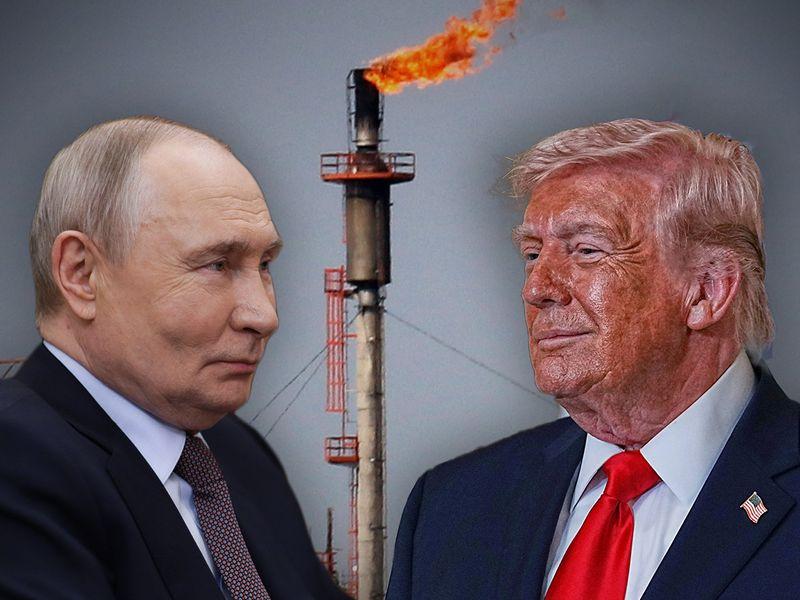
President Donald Trump has temporarily waived major sanctions, restrictions and tariffs targeting Russia under the Lindsey O. Graham Sanctioning Russia and Iran Act of 2026, days before key provisions were due to take effect. The law included sanctions against Russian officials and financial networks and tariffs of up to 100 percent on goods from major buyers of Russian oil and gas. Trump said he certified to Congress that the waiver was in the national interest of the United States. The move comes amid high global oil prices and follows a separate arrangement easing restrictions on Russian diesel, while Russia’s war against Ukraine continues.
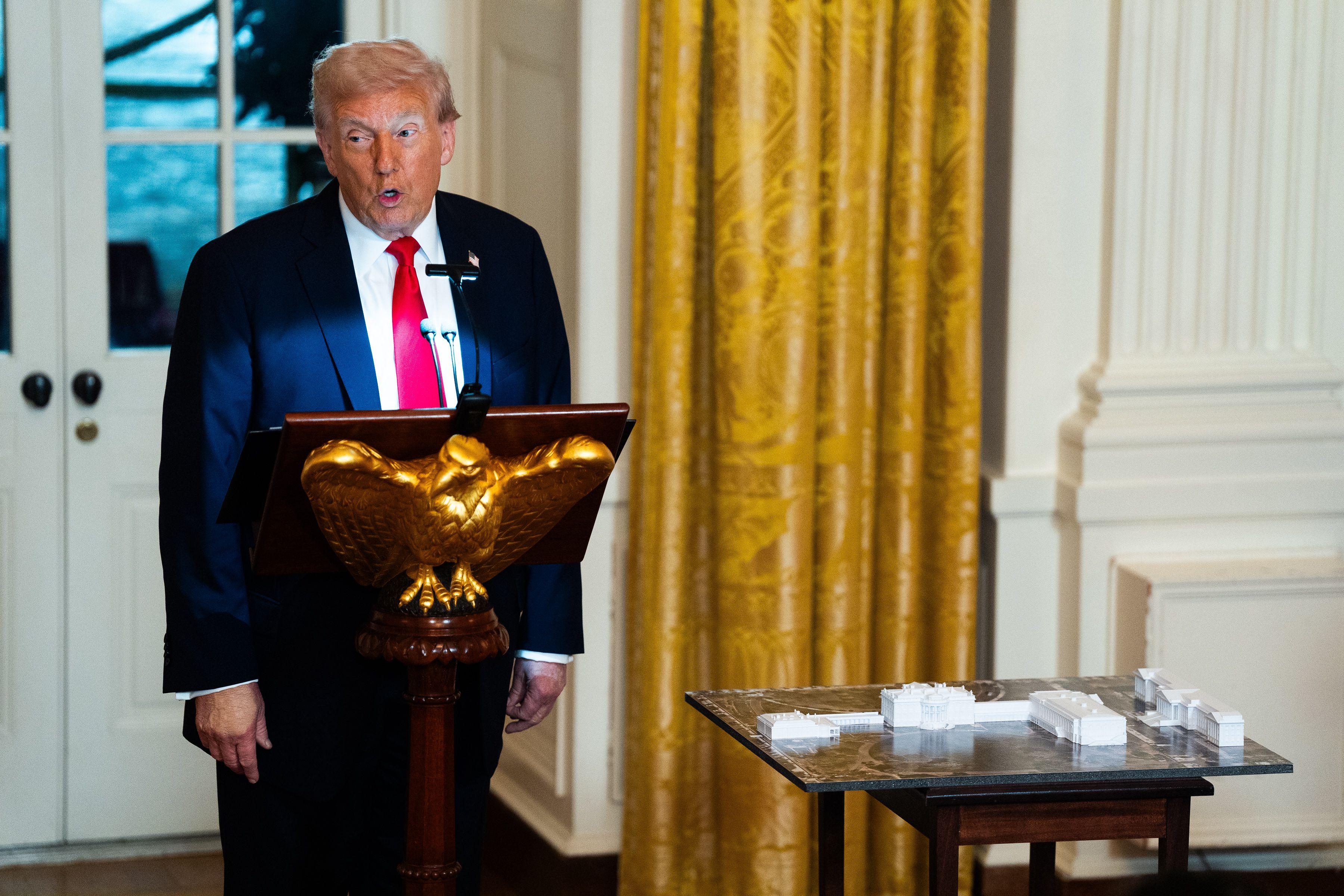
United States President Donald Trump has abruptly suspended major new sanctions, restrictions and tariffs targeting Russia only days before they were due to take effect, using powers contained in legislation he himself signed into law last month and arguing that delaying the measures is in the national interest of the United States. The decision immediately reopened a fierce debate in Washington and across Europe over the direction of American policy toward Moscow, coming while Russia’s war against Ukraine continues, civilian casualties are rising and Western governments remain divided over how aggressively they should use economic pressure to force President Vladimir Putin toward negotiations. The measures Trump has now waived were designed to tighten the financial squeeze on Russia by targeting officials, banks, sanctions evasion networks and the international trade that continues to provide Moscow with enormous revenue from oil and gas. They also contained the threat of tariffs of up to 100 percent on goods imported into the United States from some of the largest countries buying Russian energy.
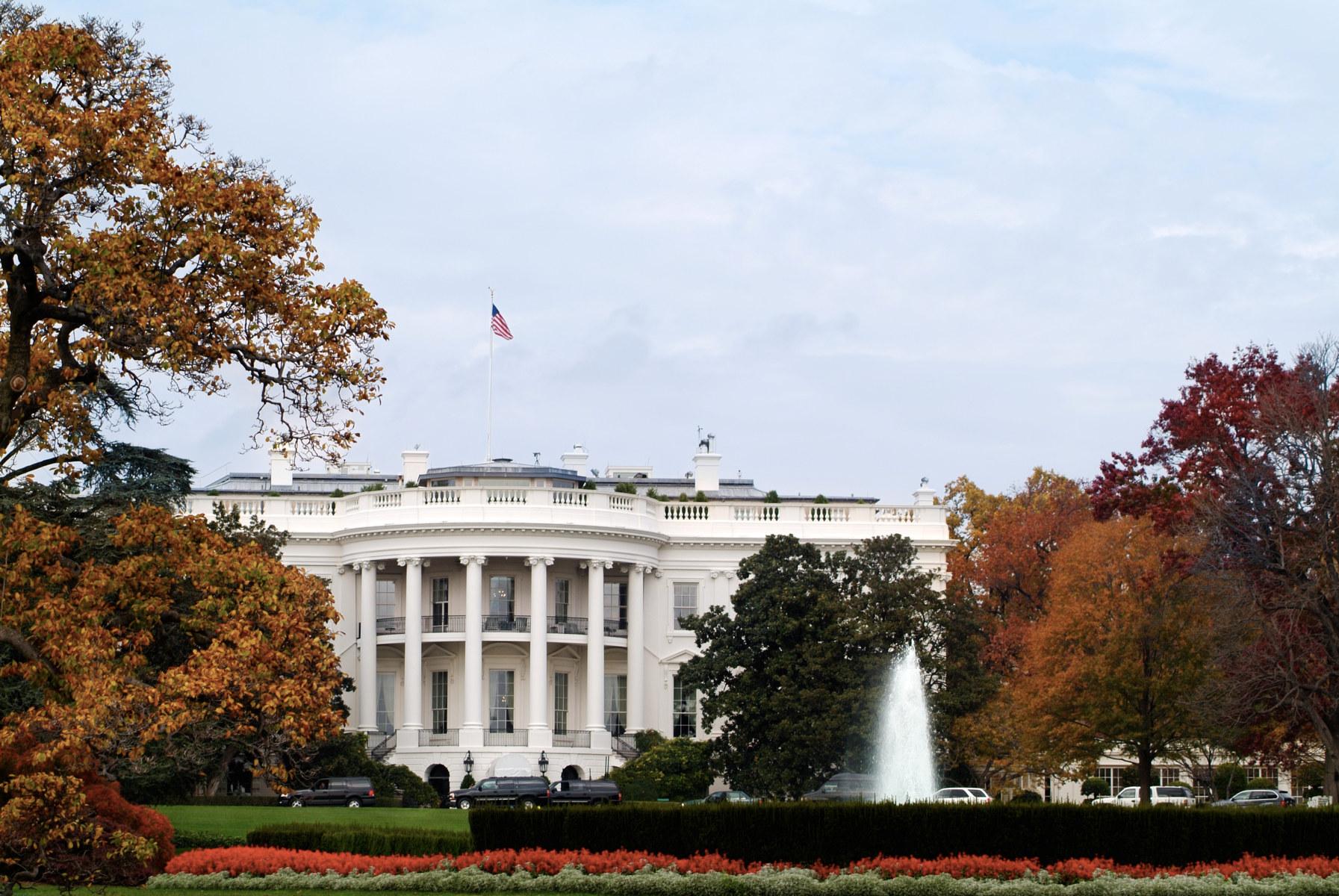
Trump announced the waiver through an executive order released by the White House on Friday, October 16, just before key provisions of the legislation were scheduled to become effective. In the order, the President said he had formally certified to Congress that granting the waiver at this time served the national interests of the United States. The administration did not provide a detailed public explanation inside the order itself of why implementing the measures immediately would harm those interests, but the decision comes against the backdrop of intense concern over global energy prices and a wider geopolitical crisis that has disrupted oil markets. Crude prices have risen sharply, with Brent crude touching about 110 dollars a barrel this week amid fears over global supply and conflicts stretching from the Middle East to Ukraine. The Trump administration has also been trying to increase fuel availability and control domestic energy costs as the United States approaches the November midterm elections.
The sanctions package had been one of the strongest congressional attempts in years to force greater economic pressure on Moscow and on countries helping sustain Russian energy exports. The law was named the Lindsey O. Graham Sanctioning Russia and Iran Act of 2026 after the late Republican senator who had championed legislation aimed at constraining Russia’s access to international markets. It passed Congress with broad bipartisan support before Trump signed it into law in mid September. Under the legislation, the administration was expected within 30 days to begin imposing steep trade penalties on the five largest importers of Russian crude oil or natural gas, as well as on countries determined to be among the largest facilitators of sanctions evasion. The law also targeted Russian officials, financial institutions, energy networks and what has become known as Moscow’s shadow fleet of tankers used to move oil around existing Western restrictions.
The potential tariffs were particularly significant because they could have affected major economies that continue to buy large volumes of Russian energy despite Western efforts to weaken Moscow’s finances. India and China remain among the biggest customers for Russian crude. India had already raised concerns about the legislation and its possible impact on trade relations with Washington. The possibility of tariffs as high as 100 percent on goods from major Russian energy buyers threatened to transform sanctions on Moscow into a much wider trade confrontation affecting countries that the United States also considers strategically important.
Trump’s waiver means those consequences will not automatically take effect according to the original timetable. The action does not permanently repeal the law and does not necessarily prevent the administration from activating sanctions later, but it removes the immediate pressure that supporters of the legislation believed could significantly reduce the revenue Russia receives from energy exports. It also gives Moscow and major Russian energy customers additional time without facing the full weight of measures Congress intended to impose.
The timing has made the decision particularly controversial. Russia’s invasion of Ukraine remains ongoing more than four years after Moscow launched its full scale assault in February 2022. Russian missile and drone attacks continue across Ukrainian cities and energy infrastructure, and new reporting this week showed attacks affecting nine Ukrainian regions while hundreds of thousands of people experienced electricity disruptions. A recent United Nations assessment also recorded a significant increase in civilian casualties compared with the same period a year earlier. Against that backdrop, critics of Trump’s decision argue that relaxing economic pressure risks giving Moscow additional revenue while Russian military operations continue.
The administration’s supporters present the calculation differently. Trump has repeatedly argued that economic and energy policy should be used to create leverage for negotiations rather than simply maintaining sanctions indefinitely. His White House has also placed heavy emphasis on lowering fuel prices, particularly during a period of rising inflation and political pressure over the cost of living. The President’s declaration that the waiver serves U.S. national interests gives him broad legal justification under the new law, but it also places responsibility squarely on his administration for determining when sanctions should be activated and when other strategic priorities should take precedence.
The decision follows another dramatic shift in U.S. Russia energy relations. Earlier this month, Trump announced an agreement under which Russian diesel would become available to the United States and other markets as part of an effort to increase fuel supplies and ease prices. His administration temporarily relaxed certain restrictions to allow that trade. Critics argued that buying Russian fuel while Moscow continues its war in Ukraine risks providing the Kremlin with revenues that sanctions were designed to restrict. Trump defended the move on the grounds that increasing energy supply could help reduce costs for American consumers.
That diesel arrangement already unsettled some European allies before the latest sanctions waiver was announced. Several European governments remain committed to progressively reducing their dependence on Russian energy and have spent years restructuring supply chains following the 2022 invasion. For them, Washington easing restrictions on Russian oil and fuel creates the risk of weakening the collective economic pressure that Western governments spent years building. It also raises questions about whether the United States and Europe are still pursuing the same strategy toward Moscow.
Trump’s broader relationship with Russia has become increasingly important to the debate. The President has held direct discussions with Vladimir Putin and has repeatedly argued that he can help negotiate an end to the Ukraine war. At the same time, he has increasingly criticised Ukrainian President Volodymyr Zelenskyy over the failure to secure a settlement. In recent remarks, Trump has publicly suggested that Ukraine’s leadership bears responsibility for prolonging the conflict and has questioned some elements of continuing American assistance to Kyiv. Those comments, combined with the sanctions waiver, have fuelled concern among Ukraine’s supporters that Washington is gradually shifting pressure away from Moscow and toward Kyiv.
The White House disputes the suggestion that Trump is simply abandoning pressure on Russia. Administration officials argue that the President wants flexibility to use economic tools when they are most effective rather than applying every available measure automatically. The sanctions law itself contains waiver authority, meaning Congress anticipated circumstances in which the President might judge that delaying or modifying penalties would serve American interests. Trump has now used that authority.
For lawmakers who pushed the legislation, however, the legal ability to waive the sanctions does not settle the political argument. The bill’s supporters intended it to give the President an extraordinary economic weapon against Moscow precisely because Russia’s energy revenue remains one of the main sources funding the state and, indirectly, its military operations. Cutting those revenues was seen as a way to force Putin to reconsider the costs of continuing the war.
The law was designed to attack that revenue from several directions. Direct sanctions on Russian banks and officials would make financial transactions more difficult. Restrictions on shipping networks would target the shadow fleet that Russia has increasingly relied upon to move oil outside the reach of traditional Western insurance and maritime systems. Secondary measures against third countries would raise the economic cost of continuing to buy Russian oil and gas. The threat of 100 percent tariffs was intended to force major importers to choose between maintaining large scale Russian energy purchases and preserving normal access to the American market.
Such secondary sanctions are powerful because the United States has one of the world’s largest consumer markets and controls important parts of the global financial system. Governments and businesses frequently change behaviour not because they directly agree with U.S. foreign policy but because losing access to American markets, banks or dollar transactions can be economically devastating. The Graham legislation attempted to use that influence against the wider network keeping Russian energy exports profitable.
It is also precisely why countries such as India objected to the proposed measures. New Delhi has repeatedly defended its purchases of discounted Russian oil as necessary for energy security and affordability. Indian officials have argued that Western governments themselves continued various forms of trade with Russia after the invasion and that developing economies should not be punished for pursuing affordable supplies. India has become one of Russia’s most important energy customers since European imports were reduced, buying crude at discounts and refining some of it into petroleum products for domestic use and export.
China has similarly opposed unilateral U.S. sanctions affecting its trade with Russia. Beijing has consistently argued that economic restrictions imposed without United Nations approval amount to inappropriate extraterritorial pressure. The possibility of major tariffs against Chinese goods because of Russian oil purchases risked worsening an already complicated U.S. China economic relationship.
Trump’s waiver therefore provides immediate relief not only for Moscow but potentially for some of Russia’s largest trading partners. It reduces the risk that the Russia sanctions law will trigger a new round of tariff battles with major Asian economies at a time when Washington is already managing trade disputes and geopolitical competition on several fronts.
Energy prices are another major factor. The world oil market has experienced renewed volatility because of instability in the Middle East, disruptions affecting shipping routes and fears of broader regional conflict. Brent crude reaching around 110 dollars per barrel has increased pressure on governments concerned that high energy costs could feed inflation, raise transportation costs and slow economic growth. The United States has already been releasing crude from the Strategic Petroleum Reserve as part of broader efforts to stabilize markets.
In such an environment, aggressively restricting Russian exports carries risks. Russia remains one of the world’s largest oil producers. If sanctions significantly reduce the amount of Russian crude available internationally before alternative supplies become available, prices could rise further. The intended economic damage to Moscow could therefore be accompanied by higher fuel bills for American and European consumers. Trump appears to have concluded, at least temporarily, that the risk to energy prices outweighs the immediate benefit of activating the full sanctions package.
That calculation is politically important because the United States is less than three weeks away from congressional midterm elections. High prices have become a major domestic political issue. Recent polling shows dissatisfaction with the administration’s handling of several economic concerns, and fuel costs remain highly visible to voters because they encounter them every time they visit a petrol station. The administration has therefore been searching for ways to increase global oil and fuel availability.
Critics accuse Trump of allowing short term political pressure over prices to undermine a long term foreign policy objective. Democratic Representative Don Beyer argued that Congress had warned the waiver authority could be used in precisely this way and accused the President of weakening legislation meant to support Ukraine. Other Democrats have similarly said Russia should face increasing rather than decreasing economic pressure while its military operations continue.
Criticism has also come from Republicans. Although many Republican lawmakers support Trump on most foreign policy questions, the Graham sanctions legislation was itself built around bipartisan support. Lindsey Graham had been one of the Republican Party’s strongest advocates for applying severe economic pressure on Russia, and other Republicans who supported the law expected it to become a serious tool against Moscow. The waiver therefore cuts across partisan lines in a way many other Trump foreign policy decisions do not.
Supporters of the President counter that sanctions are not an end in themselves. They argue that the purpose of economic pressure is to achieve a political outcome, and that the President must be able to adjust measures if doing so creates space for negotiations or prevents serious harm to American economic interests. From that perspective, temporarily holding sanctions in reserve may preserve leverage rather than surrender it.
The Kremlin has predictably welcomed signs of sanctions relief. Russian officials have for years argued that Western restrictions are ineffective, illegal and damaging to the global economy. At the same time, Moscow has worked aggressively to evade them by redirecting trade toward Asia, expanding its tanker fleet, developing alternative financial arrangements and offering discounted energy. Russia’s ability to keep exporting large volumes of oil has been one of the main reasons its economy has avoided the kind of collapse some Western policymakers initially predicted after the invasion.
Energy revenue remains vital to the Russian state. Oil and gas taxes contribute heavily to government finances, helping fund public spending and the defence budget. That is why Ukraine and its European supporters have repeatedly pushed for tighter enforcement against Russian tankers, banks and buyers. Every barrel sold provides Moscow with revenue even when sold at a discount.
European leaders are therefore likely to watch Washington’s next moves carefully. The European Union has imposed numerous sanctions packages since 2022 and has been working to reduce Russian energy dependence, but maintaining pressure becomes more difficult if the United States moves in the opposite direction. Differences over sanctions could complicate transatlantic coordination at a time when Ukraine is seeking additional financial and military assistance.
The waiver does not mean every U.S. sanction on Russia has disappeared. A large network of restrictions imposed over several years remains in place, covering banks, individuals, technology exports, military equipment, energy projects and other sectors. Trump’s order concerns important new measures under the Graham legislation and related restrictions. Russia remains one of the most heavily sanctioned major economies in the world.
Nevertheless, the measures being delayed were potentially among the most economically disruptive because they targeted third countries that keep Russian energy markets functioning. Their importance was not simply the direct restrictions on Moscow but the threat of forcing major international buyers to reduce purchases.
Ukraine will likely see the decision through that lens. Kyiv has consistently argued that every reduction in Russian export revenue makes it more difficult for Moscow to finance its military campaign. Ukrainian officials have repeatedly called for tougher sanctions enforcement, particularly against the shadow tanker fleet and energy companies. Zelenskyy has also criticized previous moves by the Trump administration to ease Russian oil restrictions, arguing that they reduce pressure for peace.
The administration insists its broader objective remains ending the war. Trump has repeatedly promoted himself as a negotiator capable of reaching an agreement that previous Western leaders could not achieve. His approach has often involved combining public criticism of both sides with direct contacts and shifting economic incentives. Whether suspending sanctions increases leverage for negotiations or simply reduces pressure on Moscow is now one of the central questions surrounding the decision.
There is also uncertainty over how long the waiver will last. Because Trump has not repealed the law, the administration retains the option to activate sanctions later. If energy markets stabilize or negotiations with Moscow fail, the White House could potentially reverse course. That possibility means the threat remains in the background even though implementation has been paused.
For businesses and governments affected by the legislation, however, the immediate difference is substantial. Companies preparing for severe restrictions now have additional time. Major Russian energy buyers do not face the threatened tariffs according to the original deadline. Financial institutions and shipping companies will similarly reassess compliance plans based on the executive order.
Markets will also watch whether the decision increases Russian exports enough to influence global prices. The earlier diesel arrangement and temporary oil waivers were explicitly connected to concerns about supply. If Russian barrels return more freely to international markets, prices could face downward pressure. But energy markets are affected by numerous factors beyond sanctions, including production decisions by OPEC+, conflict in the Middle East, shipping disruptions and global demand.
The political consequences may be equally significant. Trump’s critics are likely to use the decision as evidence that his Russia policy gives Moscow excessive concessions. His supporters will argue that he is protecting American consumers while keeping sanctions available as a bargaining tool. European governments may question whether they can rely on Washington to maintain a unified sanctions regime. Russia will attempt to portray the waiver as evidence that Western economic pressure cannot be sustained indefinitely.
What is certain is that the action represents a major policy choice at a critical moment. Trump signed legislation designed to increase pressure on Russia and then, less than a month later, used the law’s waiver provisions to prevent important parts of it from taking effect. He has justified that reversal through the national interest clause rather than claiming that Moscow has met specific conditions related to ending the war.
Russia’s invasion of Ukraine continues. Russian energy continues to generate revenue. Ukraine continues to seek stronger international pressure. Yet Washington has decided that, for now, activating some of its toughest new sanctions and tariffs is not in America’s interest.
The next question is what Trump expects to receive in return. If the waiver helps lower oil prices, it may produce an immediate economic benefit for consumers. If it contributes to progress in negotiations, the administration will argue that flexibility succeeded where permanent economic punishment might not have. If Moscow continues its military campaign without significant concessions, however, pressure on Trump to restore the measures will grow rapidly.
For now, the President has made his decision. Just days before sweeping new restrictions were due to hit Russia and some of the countries keeping its energy exports alive, Trump has pulled them back from the brink of implementation. The sanctions law remains on the books, but one of its most powerful weapons has been placed on hold while the war it was designed to pressure Russia over continues.