

INTERPOL AI OPERATION IDENTIFIES 126 SUSPECTED FOREIGN TERRORIST FIGHTERS
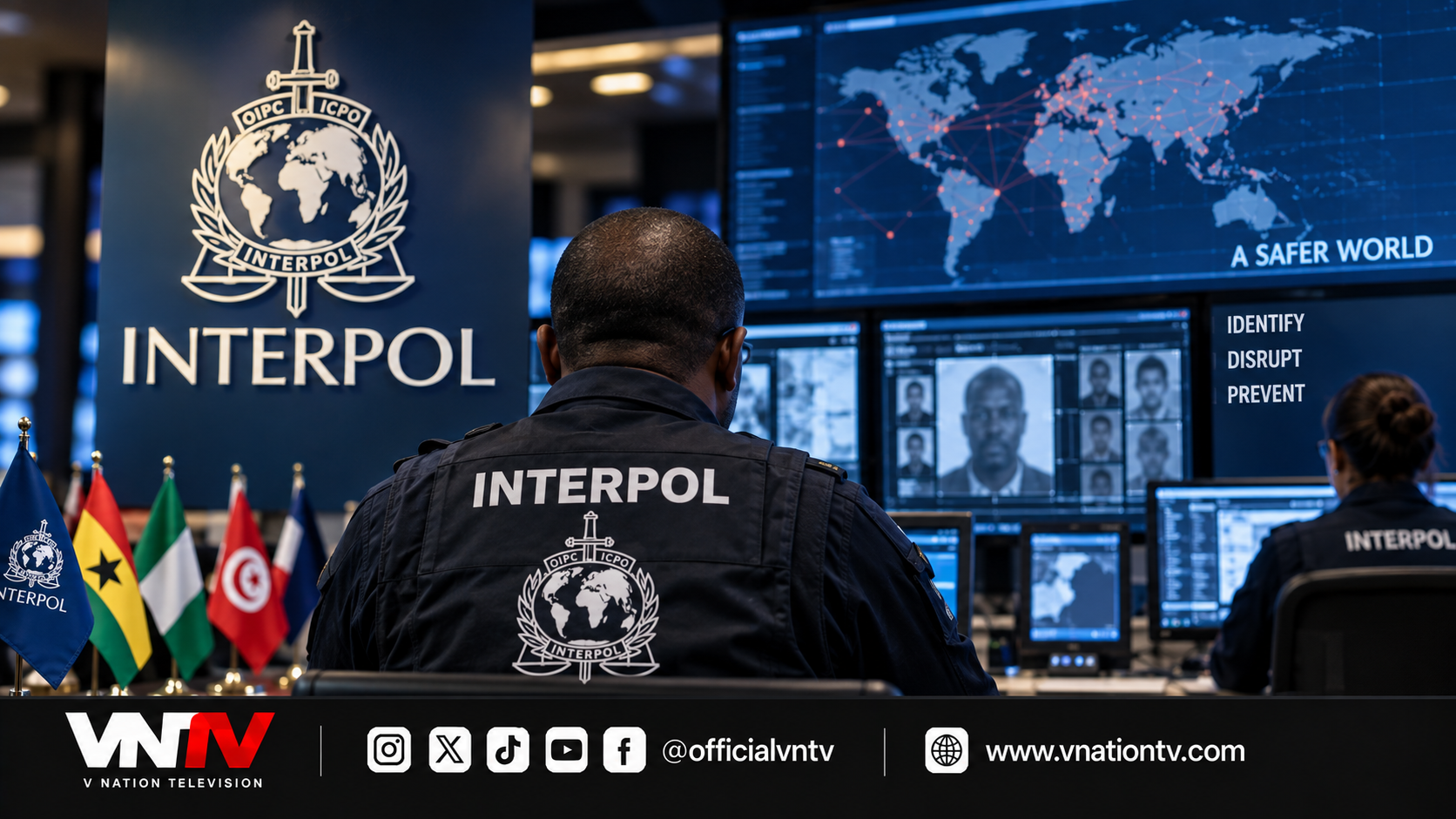
INTERPOL says Operation Shams II identified 126 suspected foreign terrorist fighters after authorities analyzed 108,076 facial images using AI assisted technology and its facial recognition system. Nigeria and Ghana were among 11 countries participating in the international counterterrorism operation.
INTERPOL says an international counterterrorism operation using artificial intelligence assisted technology has identified 126 suspected foreign terrorist fighters after authorities analyzed more than 108,000 facial images collected from online material published by jihadist groups.
The operation, known as Operation Shams II, brought together 28 specialized officers and experts from 11 countries, including Nigeria and Ghana.
The five day operation was conducted in Tunis, Tunisia, from June 1 to June 5, 2026, with INTERPOL announcing its results on September 18.
Authorities extracted 108,076 facial images before using AI assisted tools to remove duplicates, assess image quality and help investigators process the large volume of material.
The operation eventually narrowed the dataset to 6,362 unique high quality facial images for processing through INTERPOL's facial recognition system.
126 SUSPECTED FOREIGN FIGHTERS IDENTIFIED
INTERPOL said 126 suspected foreign terrorist fighters have so far been identified from images processed during Operation Shams II.
The resulting matches are expected to strengthen existing intelligence on the suspects, including information about their possible locations and social networks.
The information is now being incorporated into INTERPOL databases to support international efforts to detect and track suspected foreign terrorist fighters moving across borders.
Thousands of additional images remain to be processed, meaning investigators could generate further leads.
NIGERIA AND GHANA JOIN INTERNATIONAL OPERATION
Operation Shams II involved officers and experts from Côte d'Ivoire, Ghana, Iraq, Kenya, Malaysia, Nigeria, the Philippines, Qatar, Tajikistan, Tunisia and Uzbekistan.
The operation represents an example of African security agencies participating in international investigations that increasingly use artificial intelligence and biometric technology.
INTERPOL said additional intelligence was provided by its National Central Bureau in Baghdad, including hundreds of images associated with terrorism suspects.
The operation was designed to strengthen cooperation between countries confronting terrorist networks that operate across national borders and digital platforms.
AI USED TO PROCESS MORE THAN 108,000 IMAGES
Artificial intelligence played a significant role in processing the large volume of information gathered by investigators.
INTERPOL said programmed AI agents and advanced AI generated scripts automated parts of the data collection and investigative process.
The technology was used to identify duplicate images and conduct quality assessments.
That reduced the original 108,076 images to 6,362 unique high quality facial images suitable for processing through INTERPOL's facial recognition system.
INTERPOL stressed that AI generated results were subsequently reviewed and verified by trained officers and analysts under the organization's data processing rules.
The process therefore combined automated technology with human review rather than relying solely on artificial intelligence to identify suspects.
INVESTIGATIVE LEADS ALREADY BEING USED
INTERPOL said leads generated during the operation are already supporting judicial proceedings in participating countries.
One case involves two suspected foreign terrorist fighters who are currently in detention.
The organisation did not publicly identify the two individuals or disclose the country where they are being held.
The remaining images could provide additional information about suspects, their movements and connections as investigators continue processing the material.
OPERATION ALSO TARGETED TERRORIST FINANCING
Facial recognition was not the only technology deployed during Operation Shams II.
Investigators also used cryptocurrency tracing tools to examine suspected terrorist financing.
According to INTERPOL, the financial investigation resulted in three urgent requests to a virtual asset service provider seeking customer information intended to help authorities disrupt suspected illicit financial flows.
Participating countries also met representatives of the online gaming industry to discuss concerns surrounding youth radicalization in online environments.
AI BECOMES NEW TOOL IN CROSS BORDER SECURITY
Operation Shams II highlights the expanding use of artificial intelligence in international law enforcement investigations.
For countries including Nigeria and Ghana, participation also demonstrates how African security agencies are becoming involved in multinational operations combining biometric databases, facial recognition, digital investigations and AI assisted analysis.
INTERPOL described the operation as the first of its kind to use AI assisted capabilities on such a scale to process terrorist related visual material and generate investigative leads.
However, the organization emphasized the continuing role of human investigators, saying AI generated results were reviewed and verified by trained officers and analysts.
Operation Shams II was conducted under the CT TECH+ Project, funded by the European Union's Foreign Policy Instruments and supported by the United Nations Office of Counter Terrorism.
INTERPOL says thousands of images remain under examination, meaning the operation could produce additional investigative leads as processing continues.