TRUMP PULLS PLUG ON HEGSETH’S CONTROVERSIAL PLAN TO LIVESTREAM NIDAL HASAN FIRING SQUAD EXECUTION AFTER REPUBLICANS, RELIGIOUS LEADERS AND PUBLIC PUSH BACK
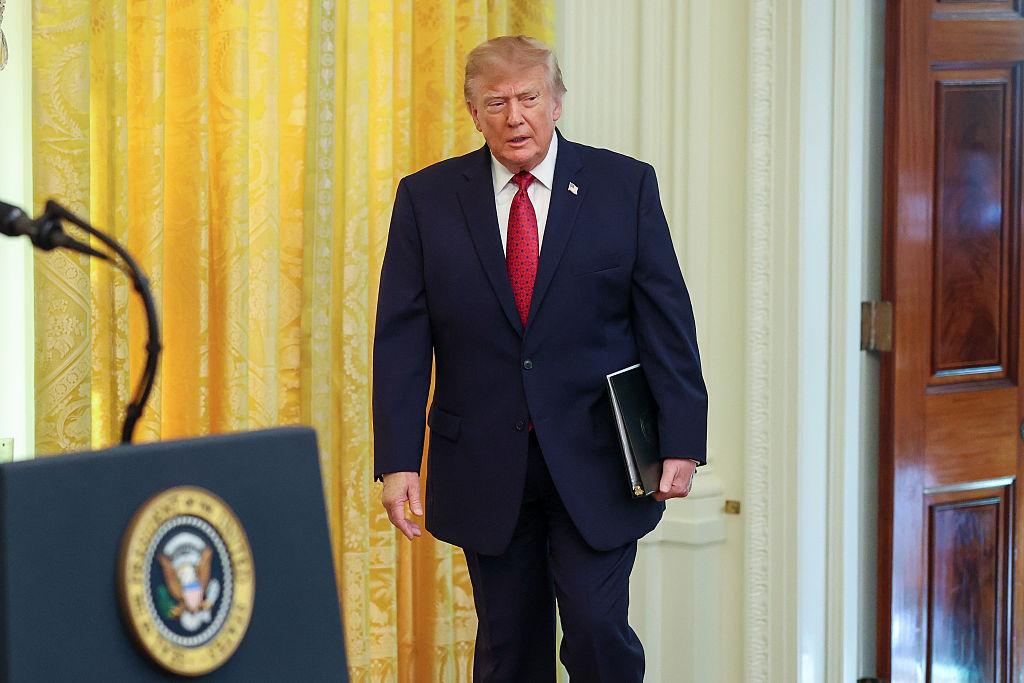
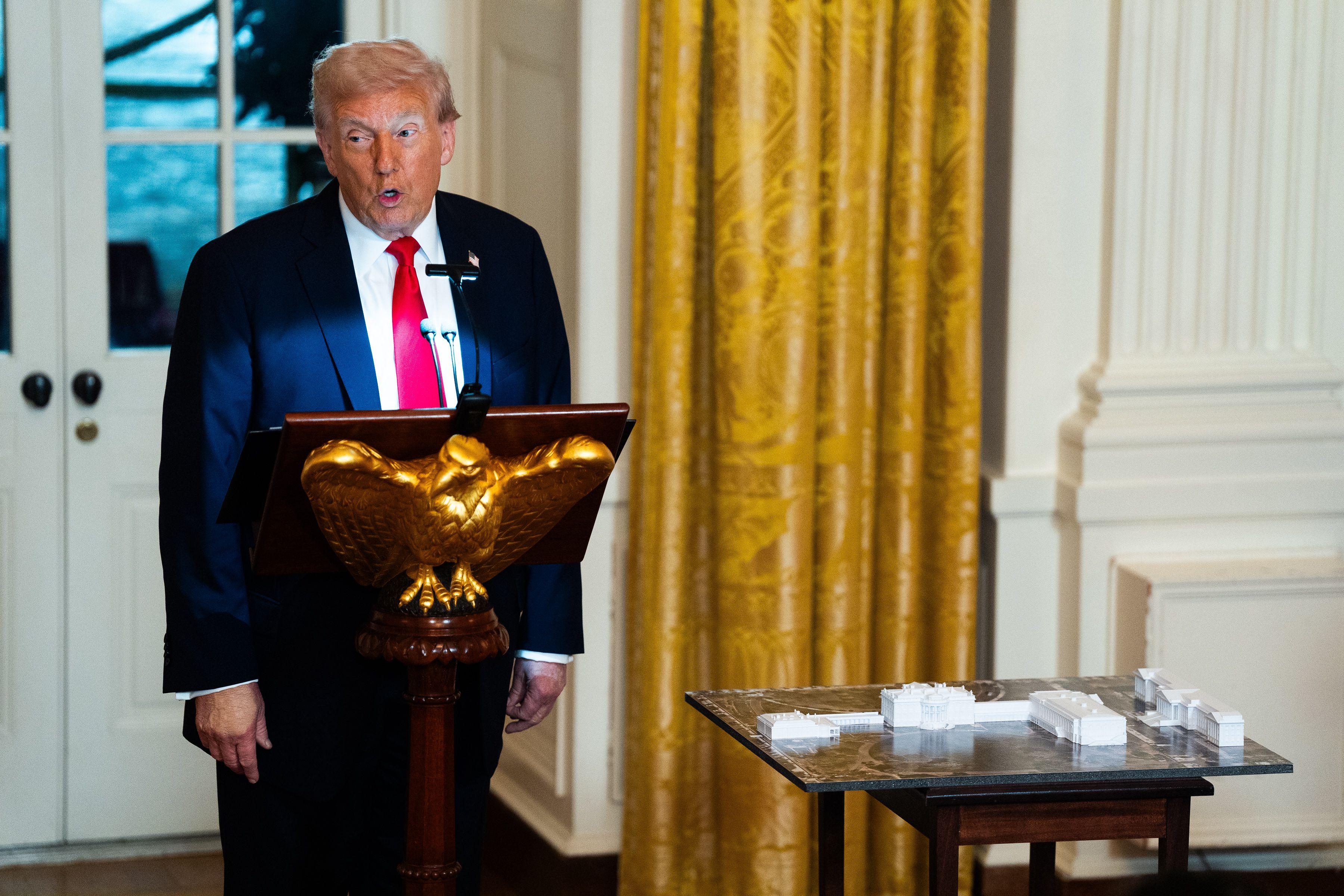
President Donald Trump has cancelled the Pentagon’s plan to livestream the December 3 firing squad execution of Nidal Malik Hasan, the former Army major convicted of killing 13 people and wounding 32 others during the 2009 Fort Hood shooting. Defense Secretary Pete Hegseth had promoted the livestream as a possible deterrent, but the proposal drew widespread opposition from Republican lawmakers, religious leaders, military figures and much of the American public. Trump said Hasan’s execution will still proceed by firing squad, while relatives of the victims will be allowed to witness it in person. The December execution, if it proceeds as scheduled, would be the first U.S. military execution since 1961 and the first military firing squad execution since 1945. Reuters
United States President Donald Trump has cancelled a controversial Pentagon plan to livestream the execution of former Army Major Nidal Malik Hasan, abruptly ending an unprecedented proposal that would have allowed members of the public around the world to watch the convicted Fort Hood mass killer die before a military firing squad. The reversal came after days of mounting opposition from Republican lawmakers, senior religious leaders, military figures, victims’ advocates and members of the American public who questioned whether turning a state execution into an internet broadcast would transform punishment into spectacle. Hasan, who was convicted of murdering 13 people and attempting to murder 32 others during the November 5, 2009 shooting at Fort Hood in Texas, is still scheduled to be executed by firing squad on December 3. The families of his victims will be allowed to witness the execution in person if they choose, but Trump has now made clear that millions of people will not be invited to watch it live from their phones, televisions or computers.
The controversy began after Defense Secretary Pete Hegseth publicly pushed for Hasan’s execution to be made available to the public through a livestream. Hegseth argued that broadcasting the killing would demonstrate that there were serious consequences for acts such as the Fort Hood shooting and could serve as a deterrent to others contemplating similar violence. The Pentagon subsequently confirmed that the December execution would be streamed, a move that immediately became one of the most extraordinary proposals associated with capital punishment in modern American history. No United States government execution has previously been officially broadcast or livestreamed to the public, and the American military has not carried out an execution by firing squad since World War II. The combination of a military firing squad, a globally accessible livestream and a defendant whose case has remained politically and emotionally charged for nearly two decades pushed the issue far beyond an ordinary discussion of whether a death sentence should be carried out.
Trump had already approved Hasan’s execution by firing squad after a recommendation from Hegseth, with the military setting December 3 as the planned date at Fort Hood, now officially known again by that name. The president initially left open the possibility of allowing the livestream to proceed and at one stage indicated that he understood the argument that public exposure could act as a deterrent. But the atmosphere changed rapidly as criticism grew. By Thursday, October 15, Trump announced that the execution itself would go forward while the broadcast would not. He said he believed a livestream might have demonstrated to the world how the United States punishes people responsible for attacks such as Hasan’s, but acknowledged that many people had no desire to witness a human being die through a screen.
The announcement amounted to a public rejection of one of Hegseth’s most provocative ideas, although the Pentagon immediately attempted to minimise suggestions of a deeper split between the president and his defense secretary. Pentagon spokesman Sean Parnell said Trump and Hegseth had discussed the matter before the president announced the decision and insisted that the two men remained aligned. Behind that public message, however, reporting from Washington indicated that White House officials had not been fully prepared for the original livestream announcement. A White House official said Trump and his advisers had been unaware of the plan before Hegseth made it public, raising questions about how such an unprecedented proposal could have been announced by the Department of Defense without clear presidential approval.
The disagreement became especially sensitive because Hegseth had presented the livestream not as a minor technical detail but as part of the punishment’s intended public message. He wanted Americans and audiences around the world to be able to see the consequences awaiting someone convicted of killing military personnel. His supporters argued that Hasan had shown no mercy to his victims and that the government had no obligation to protect him from public exposure at the moment of execution. Critics responded that a modern democratic government should not imitate violent groups that use executions as propaganda or entertainment, regardless of how serious the crime committed by the condemned prisoner may have been.
Hasan’s case remains one of the most notorious mass killings in modern United States military history. On November 5, 2009, the Army psychiatrist opened fire at the Soldier Readiness Processing Center at Fort Hood, where military personnel were preparing for deployments and other assignments. Thirteen people were killed and 32 others were wounded. Twelve of those killed were active-duty soldiers, while one was a retired serviceman working as a civilian employee. Police officers responding to the attack eventually shot Hasan, leaving him paralysed from the waist down. He has since used a wheelchair.
A military jury convicted Hasan in 2013 on 13 counts of premeditated murder and 32 counts of attempted premeditated murder and sentenced him to death. During proceedings and in statements connected to the attack, Hasan sought to frame his actions around opposition to United States military operations in Muslim-majority countries. The military court rejected his attempts to justify the killings and imposed the military’s most severe punishment. The death sentence then moved through the lengthy automatic military appeals process required in capital cases.
For years, it remained uncertain whether Hasan would actually be executed. Military executions are extraordinarily rare. The United States armed forces have not executed a prisoner since 1961, when Army Private John Bennett was hanged after being convicted of rape and attempted murder. A firing squad has not been used by the United States military since 1945. Hasan’s execution would therefore be historic even without a livestream, marking the resumption of military capital punishment after more than six decades and the first military use of a firing squad in more than 80 years.
Trump’s administration expanded the execution methods available for the most serious federal and military cases, including firing squads, electrocution and gas asphyxiation in situations where those methods are legally authorised. When Trump approved the firing squad for Hasan, the Pentagon presented the decision as the conclusion of a long judicial process rather than the beginning of a new trial or reconsideration of guilt. Hasan has been convicted and sentenced, and his case has passed through years of appellate review. The unresolved issue now concerns the final legal challenges that could still affect whether the December 3 date remains intact.
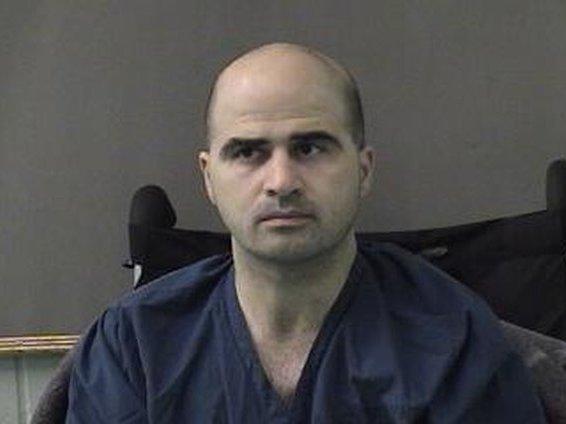
The public controversy changed dramatically when Hegseth went beyond announcing the method of execution and proposed broadcasting it. Critics warned that the government would be transforming an act of judicial punishment into a global media event. Retired military commanders argued that this could give Hasan precisely the attention that authorities should avoid granting him. Some warned that extremist organisations could record the broadcast, edit the images and use them as propaganda to portray Hasan as a martyr. Others raised concerns that children could easily access footage of a state execution once clips began circulating through social media, where controlling distribution would become nearly impossible.
The proposed livestream also created an international problem. Governments and regulators outside the United States began considering whether they could prevent the broadcast from being viewed in their jurisdictions. New Zealand’s national censor said its existing laws might not give it authority to stop people from accessing the livestream while it was happening. European governments and human rights organisations also raised questions about the precedent of a democratic state broadcasting an execution over the internet. Once the Pentagon announced the plan, the issue ceased to be simply an American debate over punishment and became an international discussion over whether state-sanctioned death should ever be converted into digital content available globally.
Opposition also emerged from within Trump’s own political coalition. Vice President JD Vance indicated that he would not watch the execution if it were livestreamed. House Speaker Mike Johnson publicly encouraged the administration to reconsider the idea and said he would not be watching. Republican Senator John Curtis later welcomed Trump’s reversal. Other Republicans argued that they strongly supported Hasan’s punishment but saw no legitimate purpose in turning the execution into public entertainment. That distinction became central to the debate. Many critics were not asking Trump to commute Hasan’s death sentence. They were instead arguing that supporting capital punishment did not require supporting a globally broadcast killing.
Public polling reinforced the political pressure. A Washington Post, ABC News and Ipsos survey released shortly before Trump’s announcement found that roughly eight in ten Americans opposed livestreaming the execution. A narrower majority supported Hasan being executed by firing squad, demonstrating again that public attitudes toward the execution itself were significantly different from attitudes toward broadcasting it. Opposition to the livestream crossed many demographic and political groups, including people who otherwise supported the death penalty.
Religious leaders added another layer of pressure. Archbishop Timothy Broglio, who oversees Catholic pastoral care for members of the United States armed forces, strongly objected to both the planned execution and the idea of broadcasting it. Broglio, who had presided over the funeral of one of the Fort Hood victims, urged Catholic soldiers assigned to a firing squad to seek exemptions from participating. He questioned whether the United States should create a public spectacle resembling the execution videos historically used by terrorist groups. Pope Leo separately renewed the Catholic Church’s opposition to capital punishment, saying the death penalty violates human dignity and removes the possibility of redemption.
The religious criticism was particularly notable because it did not dismiss the suffering of Hasan’s victims. Opponents repeatedly acknowledged the scale of the crime and the trauma experienced by survivors and families. The argument instead centred on what the government’s conduct should look like even when dealing with someone responsible for an atrocity. Critics said a justice system can impose severe punishment without turning death into entertainment.
Former senior military officials raised similar concerns from a national security perspective. Retired Lieutenant General Sean MacFarland, who as the senior commander at Fort Hood had previously approved steps connected with Hasan’s execution, publicly opposed the livestream. His concern was not that Hasan should escape punishment but that broadcasting the firing squad could undermine the moral distinction the United States attempts to draw between its legal system and extremist organisations that publicly execute captives. Other military personnel worried about the psychological consequences for soldiers asked to participate in the execution and the possibility that members of the firing squad could later become targets.
The controversy was further intensified by recent difficulties surrounding capital punishment elsewhere in the United States. A failed lethal injection in Tennessee had renewed questions over execution methods after a condemned prisoner survived attempts to carry out the sentence and required hospital treatment. Against that background, the Pentagon’s proposal to stage the most visible execution in modern American history created additional concern among death penalty experts and human rights groups.
Trump ultimately resolved the broadcast question with a direct statement: Hasan’s execution would continue as scheduled, but the event would not be streamed. Immediate relatives of the victims would still have access to the traditional witness arrangements available during executions. The decision preserved the punishment Trump had already approved while removing the element responsible for most of the political and ethical backlash.
The reversal also drew attention to Hegseth’s unusually public style as defense secretary. Before entering government, Hegseth spent years in television and had frequently spoken about the importance of communicating military policy in direct, dramatic terms. His critics argued that the livestream proposal reflected an instinct to turn a grave military justice matter into political theatre. Supporters maintained that his intention was to demonstrate consequences and send an uncompromising message about attacks on American service members. Trump’s intervention effectively settled that argument in favour of a more traditional execution process, at least in this case.
The Pentagon has insisted that the reversal should not be interpreted as a significant rupture between Trump and Hegseth. Officials said the defense secretary supports the president’s decision. Nevertheless, the sequence of events exposed unusual internal decision-making. An unprecedented livestream was announced by the Pentagon, White House officials were reportedly caught off guard, the president publicly considered the idea, criticism mounted from senior Republicans and religious figures, and the plan was then cancelled within a week.
The episode has also led lawmakers to consider whether future administrations should have the legal authority to broadcast executions at all. Democratic Senator Mark Kelly introduced legislation aimed at preventing livestreamed federal executions, arguing that such broadcasts would be dangerous and inconsistent with American values. Whether that proposal moves through Congress remains uncertain, but the fact that legislation was introduced demonstrates how quickly Hegseth’s proposal moved from an administrative decision into a broader policy debate.
For survivors of the Fort Hood attack and relatives of those killed, the renewed national attention has reopened memories of a massacre that occurred almost 17 years ago. Some victims and families want Hasan executed after what they see as an extraordinarily long delay. Others have expressed discomfort at seeing the execution turned into another national spectacle. The Pentagon’s original proposal risked making Hasan’s final moments more prominent than the lives of the 13 people he killed, a concern repeatedly raised during the backlash.
The names and stories of those killed remain at the centre of the case. They were soldiers and a retired serviceman caught in an attack inside a military installation, many while preparing for deployment. Dozens more survived gunshot wounds and have lived with the physical and psychological consequences ever since. Their families have waited through a court-martial, automatic appeals, legal reviews and successive presidential administrations. For them, December 3 could represent the conclusion of a judicial process that has lasted well over a decade, although additional legal action could still delay the execution.
Hasan’s physical condition will make the firing squad execution itself unusual. Because he was paralysed after being shot by police during the attack, he uses a wheelchair. Military authorities will need to determine how execution procedures will be carried out while accounting for that disability. The Pentagon has not publicly disclosed every operational detail, and security surrounding the execution is expected to be extremely tight.
The military must also select personnel for the firing squad, a process that has attracted religious and ethical questions following Broglio’s warning to Catholic soldiers. Army regulations provide mechanisms for service members to request religious accommodation, but authorities have not publicly disclosed how personnel will be selected or whether objections have already been filed. The original livestream plan would potentially have exposed members of the execution team to unprecedented public attention, another issue that disappears or is substantially reduced now that the broadcast has been cancelled.
There remains an important distinction between cancelling the livestream and cancelling the execution. Trump has done only the former. The administration continues to support Hasan’s death sentence and the use of a firing squad. The president’s statement explicitly said that Hasan would die as scheduled, although the judicial system rather than presidential language will ultimately determine whether any pending legal challenge affects the timing.
The December 3 execution, if carried out, will therefore remain historically significant. It would be the first United States military execution since 1961 and the first military firing squad execution since 1945. What it will not become is the first United States government execution formally livestreamed to a worldwide audience.
The reversal demonstrates the limits political leaders can encounter even when pursuing policies popular with their own supporters. Hasan remains widely condemned for the Fort Hood massacre, and there has been no comparable public campaign demanding that he be treated as sympathetic. Yet the attempt to turn his punishment into a globally available livestream crossed a line for many Americans who otherwise support severe punishment for his crimes.
The controversy also raises a larger question about the difference between justice and spectacle in the internet age. Public executions disappeared from most American communities generations ago partly because they became mass gatherings that blurred punishment, entertainment and political theatre. Livestreaming would have recreated that audience on a scale impossible to imagine during the era of public hangings, potentially allowing millions of viewers to record, repost, remix and circulate images of the execution indefinitely.
Once a livestream entered the internet ecosystem, the Pentagon would have had virtually no control over where the footage appeared next. Clips could have circulated on X, TikTok, Telegram and extremist forums within minutes. The execution could have become propaganda, reaction content, memes or disturbing footage accessible to children. Those concerns featured heavily in criticism of the proposal and help explain why the administration faced objections from people across the political spectrum.
Trump’s decision removes that possibility while leaving the underlying death penalty debate untouched. Supporters of capital punishment can still argue that Hasan’s crimes warrant execution. Opponents can continue arguing that the government should not kill prisoners regardless of the offence. The specific fight over whether Americans should be able to watch a military firing squad kill him online has, however, effectively ended.
Unless further legal developments intervene, Hasan will be taken before a firing squad at Fort Hood on December 3. Victims’ relatives who choose to attend will be able to witness the punishment inside the controlled military process. The general public will not.
For an administration that initially considered the livestream a demonstration of strength and deterrence, the final position is notably different. The execution will remain a military justice proceeding rather than a worldwide broadcast. Hegseth’s attempt to make it public generated days of controversy, resistance from within Trump’s own party, warnings from military and religious leaders and international criticism before the president ultimately shut the idea down.
Hasan’s punishment remains scheduled. The firing squad remains. The livestream does not.