ECG EXPLAINS WIDESPREAD POWER OUTAGES IN GREATER ACCRA, WESTERN AND ASHANTI REGIONS AS TECHNICAL FAULTS AND TRANSFORMER UPGRADES DISRUPT ELECTRICITY SUPPLY
The Electricity Company of Ghana has attributed recent power interruptions across Greater Accra, Western and Ashanti regions to separate distribution network faults, overloaded transformers and ongoing infrastructure upgrades. Operational notices issued on November 26, 2026, identified underground cable faults in Accra East, an unspecified network fault in Tema, a feeder problem at Fijai and technical difficulties at Anwomaso. ECG's General Manager for External Communications, Dr. Charles Nii Ayiku Ayiku, also confirmed that transformer installations and replacements were underway in Kwabenya, Adenta, Boteyman, Teshie and Dodowa. Meanwhile, scheduled transmission upgrades in parts of Ashanti will continue until December 1, with further planned interruptions expected in Western and Asawinso communities on November 29. ECG has apologized to customers and assured affected communities that engineers are working to restore electricity supply.
The Electricity Company of Ghana (ECG) has attributed recent power interruptions affecting dozens of communities across the Greater Accra, Western and Ashanti regions to a combination of technical faults, overloaded transformers and ongoing electricity infrastructure upgrades. In a series of operational notices issued on Thursday, November 26, 2026, the power distribution company identified separate challenges within its Accra East, Tema, Western and Ashanti West operational areas, leaving numerous households and businesses without reliable electricity. The company apologized to affected customers and indicated that technical personnel had been deployed to address the faults and restore supply. The disruptions come amid growing public concern over the reliability of electricity services as Ghana approaches the December festive season, when commercial activity and electricity consumption traditionally increase.
ECG's General Manager in Charge of External Communications, Dr. Charles Nii Ayiku Ayiku, addressed the continuing interruptions during an interview on the Citi Breakfast Show on Thursday. He explained that the company was undertaking extensive work on its distribution infrastructure, particularly within Accra East and Accra West, where increasing electricity demand had created a need for additional transformer capacity. The interventions include the installation of new transformers, replacement of existing equipment and emergency repairs to damaged infrastructure. Although the company maintains that those activities are necessary to improve the reliability of electricity supply, Ayiku acknowledged that the associated interruptions had caused considerable inconvenience to customers.
The power distributor's explanation follows complaints from residents in several parts of the capital who have experienced intermittent electricity supply over approximately two weeks. The unpredictability of some interruptions has created difficulties for households attempting to manage domestic responsibilities and businesses dependent on a continuous electricity supply. ECG explained that the disruptions involved both scheduled maintenance activities and unforeseen technical failures, meaning that not every affected community was experiencing power cuts for the same reason.
In Accra East, ECG identified separate underground cable faults affecting Westland and Ashongman Villa, resulting in interruptions to electricity supply across several residential and commercial areas. The Westland incident affected locations including Westland Kpotofe, Westland Saka Homes and Westland Sober Spot, together with adjoining communities. Meanwhile, the Ashongman Villa fault disrupted services around Atomic Hospital, the Atomic Theatre area, Ashongman Estate, Ashongman Mangoase and Ashongman Veggies.
Underground cable faults present different challenges from interruptions involving overhead electricity lines because the affected infrastructure is not always immediately accessible. Technical personnel may need to establish the location and nature of the damage before appropriate repairs can be undertaken. The complexity of the fault, availability of replacement materials and conditions surrounding the affected infrastructure can influence the amount of time required to restore electricity services.
ECG also confirmed interruptions within its Tema operational region, where a separate distribution network fault affected Monte Carlo, Joe and Sam, Brian's Place and nearby locations. The company did not disclose the specific equipment involved or establish whether the disruption resulted from cable damage, transformer failure or another technical problem. Engineers were assigned to address the situation, although a comprehensive restoration timetable for those locations was not provided in the initial reports.
In the Western Region, ECG attributed the latest interruption to a technical problem involving electricity distribution infrastructure at Fijai. The affected locations included Fijai, Kweikuma, Holy Child College and sections of BU. The outage disrupted electricity services within communities that form part of the wider Sekondi-Takoradi urban area, where residential development, commercial establishments and educational institutions depend on the reliability of the distribution network.
The Ashanti West operational region experienced a more extensive interruption associated with technical difficulties at Anwomaso. Communities identified in ECG's notices included Konkromoase, Atasomanso, TUC, Ahenema Kokoben, Brofoyedru, Nkoransah, Afratia, Adumasa, Kotwi, Bekwame, Kyekyewere and Paa. Other affected locations included Pakyi No. 1 and No. 2, Daban, Wood Village, BOST, Cindy's Junction and sections of Anyinam and Kaase.
The extensive list of affected communities demonstrates how faults involving electricity infrastructure can disrupt services across several neighborhoods simultaneously. Electricity distribution networks frequently serve multiple residential, industrial and commercial areas through interconnected facilities. A technical problem affecting an important component of that network can consequently interrupt services well beyond the immediate location where the fault occurs.
The latest interruptions in the Ashanti Region are occurring alongside a previously announced infrastructure upgrade involving the Ghana Grid Company Limited (GRIDCo). ECG had issued a separate notice concerning scheduled outages in parts of the region from Thursday, November 26, to Tuesday, December 1, 2026, to facilitate improvements to the Anwomaso-Ridge Bulk Supply Point transmission line. Affected communities are expected to experience scheduled interruptions between 7:30 a.m. and 5 p.m. daily during the designated period.
The six-day maintenance schedule does not mean that every affected community will remain without electricity continuously throughout the period. Rather, the announced arrangement provides specific daily windows during which transmission infrastructure work is expected to take place. The distinction is important because customers experiencing electricity interruptions outside those scheduled windows may be affected by separate distribution faults or other operational challenges.
GRIDCo's involvement highlights the relationship between Ghana's electricity transmission and distribution systems. While ECG is responsible for supplying electricity to customers within its operational areas, GRIDCo manages much of the infrastructure through which electricity is transported from generating facilities to distribution networks. Interruptions involving transmission infrastructure can therefore affect ECG's ability to supply customers even where local distribution equipment remains functional.
The transmission company also reported a separate interruption on Wednesday, November 25, involving its Aboadze-Anwomaso transmission line. The incident disrupted electricity supply in parts of the Western and Ashanti regions, adding to the difficulties already confronting consumers affected by scheduled infrastructure works. Subsequent reports indicated that GRIDCo had restored the affected transmission line, although the completion of that work did not independently establish that every localized distribution fault reported by ECG had also been resolved.
For residents experiencing repeated power interruptions, distinguishing among transmission faults, distribution network failures and planned maintenance exercises can be difficult. Electricity customers generally experience the same immediate consequence regardless of which part of the supply system is affected. However, identifying the underlying cause remains important because different technical problems require different interventions and may involve separate institutions.
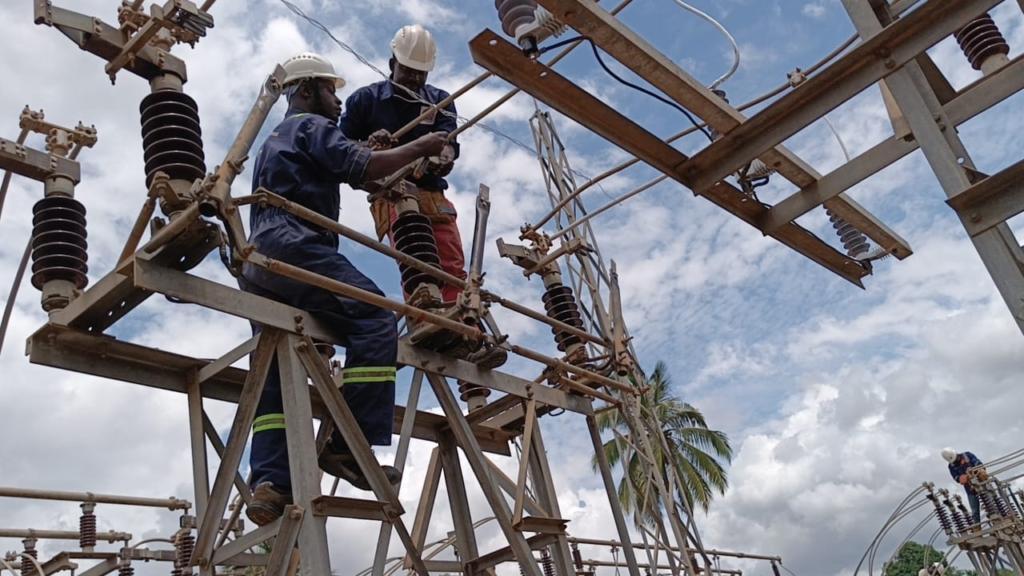
Ayiku explained that ECG was also installing or replacing transformers in several rapidly developing communities within Greater Accra. Areas identified in connection with those improvements included Kwabenya, Adenta, Boteyman, Teshie and Dodowa. The company maintains that expanding distribution capacity is necessary to accommodate increasing electricity consumption and reduce the operational pressure on existing equipment.
Transformers play an essential role in electricity distribution by converting electricity to voltage levels suitable for residential, commercial and industrial use. Their capacity must correspond with the amount of electricity demanded by the customers connected to them. Where residential development, commercial activity or the increasing use of electrical appliances significantly raises demand, existing equipment may become insufficient to maintain reliable services.
Overloaded transformers can experience operational difficulties requiring emergency intervention or temporary interruption of electricity supply. Installing additional transformers allows electricity demand to be distributed across more equipment, potentially improving service reliability and reducing pressure on individual installations. However, completing such upgrades can itself require temporary outages while technical personnel establish connections and undertake necessary safety assessments.
ECG has expressed confidence that the completion of the Katamanso substation will provide relief to some communities experiencing persistent electricity interruptions within Greater Accra. The infrastructure project is expected to expand the capacity available to serve customers in affected areas, helping address some of the limitations confronting the existing network. The company has not, however, provided a definitive commissioning date in the latest reports, leaving residents uncertain about when the anticipated improvements will become fully available.
The development is particularly relevant to rapidly expanding residential communities within the Greater Accra metropolitan area. Population growth, new housing developments, commercial construction and increasing electricity consumption have placed additional demands on public infrastructure. Electricity distribution systems require continuing investment to accommodate those changes, particularly where existing equipment was originally installed to serve smaller populations.
For businesses operating in affected communities, repeated electricity interruptions can have considerable financial consequences. Restaurants, cold stores, supermarkets, manufacturing businesses and other establishments depend on reliable electricity for refrigeration, equipment operation and the preservation of commercial inventory. Unexpected outages can increase operating expenses, interrupt production and create losses where businesses are unable to maintain appropriate storage conditions.
Small enterprises may face particular difficulties because many lack the financial capacity to purchase and maintain alternative electricity systems. Businesses relying on fuel-powered generators must absorb additional fuel and maintenance expenses whenever electricity supply becomes unreliable. Those costs can reduce profitability and may eventually influence the prices businesses charge customers.
The increasing dependence on digital technology has also expanded the range of economic activities affected by electricity interruptions. Online businesses, financial service providers, telecommunications operations, educational institutions and media production companies require electricity to maintain computer systems, communications equipment and other essential infrastructure. Repeated interruptions can therefore affect productivity even within businesses that do not rely on heavy industrial machinery.
Households experience a different but equally significant range of difficulties. Electricity interruptions can disrupt cooking, refrigeration, water supply systems, communication devices, remote work and children's educational activities. Consumers living in buildings that depend on electrically powered water pumps may also experience secondary interruptions to water availability during prolonged outages.
The consequences become particularly concerning for individuals who rely on powered medical equipment or medications requiring refrigeration. Maintaining reliable electricity within healthcare facilities and vulnerable households is an important consideration during infrastructure maintenance and emergency repair operations. Although no specific medical emergency has been attributed to the latest outages, the circumstances demonstrate why timely communication concerning anticipated interruptions remains essential.
ECG's acknowledgment that some interruptions were caused by emergency faults also highlights the limitations of publishing advance maintenance schedules. Planned infrastructure works can generally be communicated to customers before electricity supply is interrupted, allowing households and businesses to make alternative arrangements. Unforeseen equipment failures, however, may require immediate intervention without the same opportunity for advance notification.
Nevertheless, providing timely information after an unexpected fault occurs can help reduce uncertainty among affected customers. Regular updates concerning the communities involved, the nature of the problem and anticipated restoration times allow consumers to make more informed decisions. Where engineers cannot establish a precise restoration timetable, communicating that uncertainty remains preferable to issuing assurances that may not reflect the actual condition of the infrastructure.
The latest series of outages has also revived public discussions about Ghana's history of electricity supply difficulties, popularly associated with the term dumsor. The expression became widely used during previous periods of prolonged and recurring electricity interruptions, particularly when insufficient power availability resulted in systematic load management. Its continued use reflects the frustration experienced by consumers whenever electricity supply becomes unreliable.
However, isolated distribution faults and planned infrastructure maintenance should not automatically be classified as evidence of a nationwide electricity generation deficit. Technical interruptions can occur even when sufficient electricity is being generated to meet overall demand. Establishing whether Ghana is experiencing a broader power supply shortage would require information concerning electricity generation capacity, available reserves, transmission conditions and national demand.
The distinction remains particularly important because different causes require different policy and technical responses. A shortage of available generation capacity may require additional electricity production, fuel supply arrangements or changes to demand management. Distribution infrastructure problems, meanwhile, may require equipment replacement, expanded transformer capacity or maintenance of local networks. Treating every interruption as the result of a single national problem can obscure the specific investments necessary to improve reliability.
Thursday's announcements identified several localized technical challenges, while earlier reports separately documented scheduled transmission improvements and other operational disruptions. Those developments establish that multiple factors are affecting electricity consumers in different regions. They do not, by themselves, establish the existence of a nationwide load-shedding program or demonstrate that every interruption reported by consumers has the same underlying cause.
The timing of the latest outages has nevertheless increased concern among businesses preparing for the December festive season. Ghana traditionally experiences increased commercial activity during this period, particularly within Accra, Kumasi, Takoradi and other major urban centers. Restaurants, hotels, entertainment venues, retailers and tourism-related businesses frequently expand their operations to accommodate increased consumer demand and international visitors.
Reliable electricity will be particularly important for those businesses because interruptions during periods of heightened commercial activity can result in substantial financial losses. Event organizers and hospitality establishments may need to maintain alternative power arrangements, while businesses handling perishable goods require dependable refrigeration. Sustained electricity instability could increase operational expenses at a time when many enterprises expect to generate a significant proportion of their annual revenue.
ECG has also issued separate notices concerning additional planned maintenance scheduled for Sunday, November 29. Communities within the Western Region and areas supplied through the Asawinso Bulk Supply Point are expected to experience interruptions lasting up to eight hours as engineers undertake scheduled infrastructure work. The announcement indicates that electricity consumers in additional areas may continue experiencing temporary disruptions even after the faults identified on November 26 are resolved.
The planned Sunday interruptions are separate from Thursday's emergency network faults and should not be interpreted as confirmation that all previously affected communities will remain without electricity until the weekend. Customers are encouraged to consult the company's official operational notices for information concerning their specific locations. Restoration arrangements and maintenance schedules can vary considerably between communities.
ECG has additionally publicized district fault-reporting contacts to improve communication between customers and the operational offices responsible for resolving electricity problems. Customers can also contact the company's central customer service line on 0302 611 611 to report faults or request assistance. Providing accurate location information when reporting an interruption can help personnel determine whether the problem affects an individual property or forms part of a wider network disruption.
For the Ministry of Energy and Green Transition and the country's electricity sector institutions, the latest incidents underscore the continuing importance of investment in transmission and distribution infrastructure. Expanding electricity generation capacity alone cannot guarantee reliable services if the infrastructure responsible for delivering electricity to consumers remains inadequate. Long-term improvements require coordination across generating companies, GRIDCo, ECG and the institutions responsible for regulating the sector.
The financial sustainability of Ghana's electricity industry also remains relevant to infrastructure modernization. Maintaining and expanding electricity networks requires predictable funding for equipment purchases, technical personnel, emergency repairs and long-term development projects. Delays in maintenance or replacement can increase the likelihood of equipment failures, while insufficient investment may limit the ability of electricity companies to accommodate growing demand.
However, assessing whether financial constraints contributed directly to the latest faults would require information that ECG has not disclosed in its current operational updates. The company has identified technical challenges and ongoing infrastructure works, but it has not attributed every interruption to a specific funding deficiency. Any broader assessment of the electricity sector's financial condition must therefore be based on additional regulatory and institutional information.
For now, ECG maintains that its technical teams are working to address the faults affecting Greater Accra, Western and Ashanti communities while continuing planned upgrades intended to improve distribution capacity. The company has acknowledged the inconvenience caused by the interruptions but has not provided a single comprehensive restoration deadline covering every affected location. The ongoing transmission works in Ashanti and scheduled weekend maintenance in the Western and Asawinso areas mean that some customers should anticipate further interruptions according to published notices.
The immediate challenge confronting Ghana's electricity institutions is to restore reliable services while ensuring that necessary infrastructure improvements are completed safely and efficiently. For affected households and businesses, explanations concerning overloaded transformers, cable faults and transmission works provide important context, but the most meaningful measure of progress will remain the stability of electricity supply. As the country approaches a period of increased commercial and household demand, timely communication, effective maintenance and transparent reporting on infrastructure projects will be essential to restoring customer confidence and preventing localized electricity problems from developing into more persistent disruptions.