2027 ELECTIONS: PDP FACTIONAL PRESIDENTIAL CANDIDATE SANDY ONOR REPORTEDLY CONSIDERING STEPPING DOWN FOR TINUBU
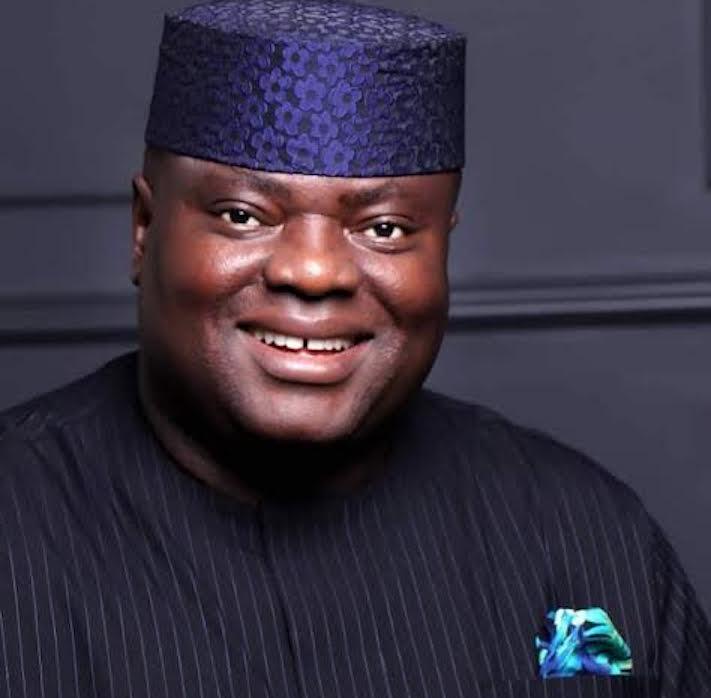
Former Cross River Central Senator and factional PDP presidential hopeful Sandy Onor is reportedly considering abandoning his 2027 presidential ambition to support President Bola Ahmed Tinubu's re-election campaign. The speculation comes amid continuing divisions within the Peoples Democratic Party and the public support expressed for Tinubu by FCT Minister Nyesom Wike, with whom Onor has longstanding political ties. A possible endorsement could raise further questions about the PDP's presidential strategy, its competing leadership factions and the implications for other candidates contesting under the party's platform. However, Onor has not formally confirmed his withdrawal or announced an endorsement of Tinubu, while the legal status of any proposed change to his candidacy would require clarification from INEC.
Speculation has intensified over the political future of former Cross River Central Senator Sandy Onor following reports that the factional presidential candidate of the Peoples Democratic Party may abandon his presidential ambition in favor of President Bola Ahmed Tinubu ahead of Nigeria's 2027 general elections. Political sources cited in the emerging reports suggest that Onor, who is associated with the PDP faction aligned with Minister of the Federal Capital Territory Nyesom Wike, could eventually declare support for the incumbent president rather than pursue an independent presidential campaign. The development has generated fresh questions about the direction of the PDP, the relationship between its competing factions and the extent to which internal disagreements could influence the wider presidential contest. However, neither Onor nor his campaign organization has formally confirmed the reported withdrawal.
The speculation comes amid continuing political realignments involving prominent members of the PDP, some of whom have openly expressed support for Tinubu's second-term ambition despite their association with an opposition party. Wike, who served as governor of Rivers State before joining Tinubu's administration as FCT minister, has remained one of the most prominent figures associated with that political arrangement. His public backing of the president has contributed to questions about whether the PDP faction associated with him intends to pursue an independent presidential campaign or ultimately cooperate with the ruling All Progressives Congress.
Onor's reported consideration of a withdrawal has therefore attracted attention because of his longstanding political relationship with Wike. The former senator was among the prominent PDP politicians associated with the former Rivers governor during previous disputes within the opposition party. Their political relationship became particularly visible during the period preceding the 2023 general elections, when disagreements over presidential nominations and party leadership produced significant divisions within the PDP.
Nevertheless, Onor's association with Wike does not independently establish that he has agreed to support Tinubu or abandon his presidential ambition. Political relationships can influence negotiations and campaign arrangements, but a candidate's decision to withdraw requires confirmation from the individual concerned or an authorized representative. As matters stand, the reports remain unconfirmed, and the precise terms of any proposed arrangement have not been publicly established.
The possibility of Onor supporting Tinubu introduces another dimension to the broader transformation taking place within Nigeria's opposition political environment. The PDP, which governed the country from the restoration of civilian rule in 1999 until its presidential defeat in 2015, has experienced recurring disagreements over its national leadership, internal democratic processes and strategic direction. Those disputes have affected relationships among prominent politicians and contributed to the movement of former party members into other political organizations.
For a party that once maintained extensive organizational structures across Nigeria's 36 states, the possibility of a presidential candidate associated with one of its factions endorsing the candidate of a rival political organization would represent a particularly significant development. Presidential campaigns ordinarily provide opportunities for political parties to mobilize their members, present alternative policies and strengthen their organizational presence. A decision by a presidential hopeful to support an opponent could raise important questions about the responsibilities owed to party members and candidates participating in other electoral contests.
Those questions are especially relevant because Nigeria's general elections involve more than the selection of a president. Political parties also sponsor candidates for the Senate, House of Representatives, governorship positions and state Houses of Assembly. Individuals seeking those offices may depend on their parties' national campaign structures, public visibility and mobilization networks. A change in presidential strategy could therefore affect their campaign arrangements even if their individual candidacies remain legally intact.
Sandy Onor, a former university lecturer and historian, previously represented Cross River Central Senatorial District in the National Assembly between 2019 and 2023. Before entering the Senate, he held several public positions within Cross River State, developing a political career that extended across local government administration and state-level responsibilities. His professional background in academia has also contributed to his public profile, distinguishing his experience from that of politicians whose careers have been concentrated exclusively within government administration.
In 2023, Onor contested the Cross River governorship election under the PDP but was defeated by the APC's Bassey Otu. The election represented another significant stage in his political career following his period in the Senate. His subsequent involvement in national presidential politics has placed him within a broader confrontation concerning the future of the PDP and its capacity to maintain a coherent political direction amid internal divisions.
The relationship between Onor and Wike has been an important feature of that political background. During the 2023 election cycle, Wike emerged as one of the principal figures challenging the PDP's internal leadership arrangements following Atiku Abubakar's emergence as the party's presidential candidate. The disagreements involved questions about regional representation, the distribution of senior party positions and the responsibilities of the national leadership to accommodate competing interests.
Wike and several governors associated with the group commonly known as the G5 subsequently refused to align themselves fully with Atiku's presidential campaign. Their disagreements exposed substantial divisions within the PDP during a period when the party was seeking to regain control of the Federal Government. Tinubu's eventual election victory and Wike's subsequent appointment as FCT minister further altered the relationships among politicians who had previously operated within the same opposition organization.
The experience of the 2023 elections provides relevant context for the latest speculation involving Onor. It demonstrated that politicians can maintain formal relationships with one political party while supporting presidential candidates sponsored by another. Such arrangements may arise from personal political preferences, disagreements over party leadership or negotiations concerning broader governance objectives. However, determining the motivations behind any particular arrangement requires evidence from the individuals involved rather than assumptions based solely on their political associations.
Wike's continued support for Tinubu has generated particular interest because of his simultaneous involvement in disputes concerning the PDP's leadership. His critics have accused him of undermining the opposition party through his relationship with the ruling administration, while his supporters have defended his actions as consistent with existing political commitments and disagreements within the PDP. Those competing interpretations remain central to discussions about the party's future and the responsibilities of its prominent members.
The speculation surrounding Onor has consequently raised questions about whether his presidential ambition is intended to develop into a full national campaign or whether subsequent political negotiations could alter its direction. At present, there is insufficient independently established information to determine which course he intends to pursue. No verified resignation from the presidential contest, formal endorsement of Tinubu or agreement between Onor and the APC has been made available in the material supporting the latest reports.
The legal distinction between withdrawing from a presidential election and declaring political support for another candidate is also important. Nigerian electoral legislation establishes procedures governing nominations, substitutions and withdrawals, including statutory deadlines that political parties and candidates must observe. A candidate's public announcement that he supports another politician does not necessarily produce an automatic change to the official presidential ballot.
Where the applicable withdrawal deadline has expired, a candidate could potentially remain listed by the electoral commission despite announcing a decision not to campaign actively. The precise consequences would depend on the electoral legislation in force, the validity of the candidate's nomination and any relevant administrative or judicial decisions. In Onor's case, the current legal status of his reported factional nomination would also need to be established before definitive conclusions could be reached about the implications of a withdrawal.
The Independent National Electoral Commission remains the institution responsible for administering candidate nominations and publishing official electoral information. Statements issued by competing political factions cannot independently establish the validity of a nomination where disagreements concerning party leadership or candidate selection remain unresolved. Any formal development affecting Onor's participation in the election would therefore require scrutiny of the relevant INEC records and applicable legal proceedings.
For Tinubu's campaign, the reported possibility of receiving support from another opposition figure forms part of a broader pattern of cross-party political engagement. The president's supporters have sought to expand their campaign networks through relationships involving politicians from different organizations and regions. Such cooperation may provide additional opportunities for political mobilization, although endorsements from individual politicians do not guarantee that their supporters or former party members will adopt identical electoral preferences.
The APC has consistently defended its campaign by emphasizing the administration's economic reforms, infrastructure initiatives and broader governance objectives. Tinubu's supporters maintain that continuity is necessary to consolidate policies introduced since his inauguration in May 2023. Critics, however, have questioned the consequences of those policies for households confronting rising living costs, unemployment and other economic pressures. The presidential election will provide an opportunity for citizens to assess those competing arguments independently of the political agreements negotiated among individual leaders.
Meanwhile, other opposition presidential figures have continued exploring opportunities for cooperation ahead of the election. Former Vice President Atiku Abubakar, former Anambra State Governor Peter Obi and Oyo State Governor Seyi Makinde have been associated with discussions concerning a broader opposition arrangement. Those consultations have generated speculation about possible endorsements and shared campaign strategies, although the participating politicians have not collectively announced a finalized agreement establishing a single presidential candidate.
The discussions reveal the complexities confronting political organizations that seek to cooperate while retaining separate leadership structures and electoral ambitions. A common political strategy would require agreement on substantive policies, organizational responsibilities and the treatment of candidates already participating in the electoral process. The existence of disagreements does not necessarily prevent cooperation, but it does make the precise terms of any proposed arrangement important.
The PDP's internal circumstances introduce additional challenges because its competing factions have maintained differing positions on the party's leadership and political direction. Individuals associated with one faction may pursue arrangements that are rejected by members of another. Consequently, even if Onor were to endorse Tinubu, such a decision would not automatically establish that the entire PDP had adopted the same position or formally joined the APC's presidential campaign.
The interests of ordinary party members must also be distinguished from the decisions of prominent political figures. Political organizations comprise individuals with different ideological commitments, regional interests and expectations concerning governance. Some members may support agreements negotiated by party leaders, while others may choose to maintain their existing political preferences. The significance of any proposed arrangement would therefore depend partly on how the individuals and organizations affected respond to it.
For Cross River State, Onor's political direction could attract particular attention because of his previous electoral campaigns and established relationships within the state's political environment. His involvement in national presidential politics has provided another platform through which politicians associated with his organization can participate in broader discussions concerning Nigeria's leadership. A decision to endorse Tinubu could affect those relationships, although the extent of any consequences would depend on the responses of local political stakeholders.
The controversy also underscores the importance of transparency in political negotiations. Reports of agreements involving candidates frequently emerge before the individuals concerned have publicly established their positions, creating uncertainty among supporters and rival political organizations. Although private consultations are a normal part of democratic politics, claims about concluded arrangements should be supported by credible evidence before being presented as confirmed developments.
In the absence of a formal statement from Onor, reports concerning his possible withdrawal should therefore be treated as speculation rather than an established change in his candidacy. No verified details have been provided concerning the timing of an announcement, the conditions associated with a possible endorsement or whether the former senator has discussed such an arrangement directly with Tinubu or representatives of the APC. There is also no confirmed evidence that he has negotiated a government appointment or another political benefit in exchange for withdrawing.
Attention will now turn toward any official communication from Onor, his political organization and the PDP faction associated with his reported candidacy. A direct statement would help establish whether the former senator intends to remain in the presidential contest, suspend his campaign or formally endorse another candidate. Clarification from INEC concerning the status of his nomination would also be important in determining the legal implications of any eventual decision.
As Nigeria approaches the 2027 general elections, the speculation surrounding Onor illustrates the continuing uncertainty affecting relationships within the country's opposition political organizations. The reported possibility of his endorsement of Tinubu reflects discussions taking place within a wider environment of shifting alliances, competing presidential ambitions and unresolved party leadership disputes. However, until the former senator or his authorized representatives formally announce a decision, his proposed withdrawal remains an unconfirmed political development. The eventual significance of any arrangement will depend on its actual terms, compliance with electoral legislation and the independent decisions of Nigerian voters when the country returns to the polls.