2027 ELECTIONS: MAKINDE DENIES PLANS TO STEP DOWN FOR ATIKU, DISMISSES ALLEGED POLITICAL DEAL AMID OPPOSITION COALITION TALKS
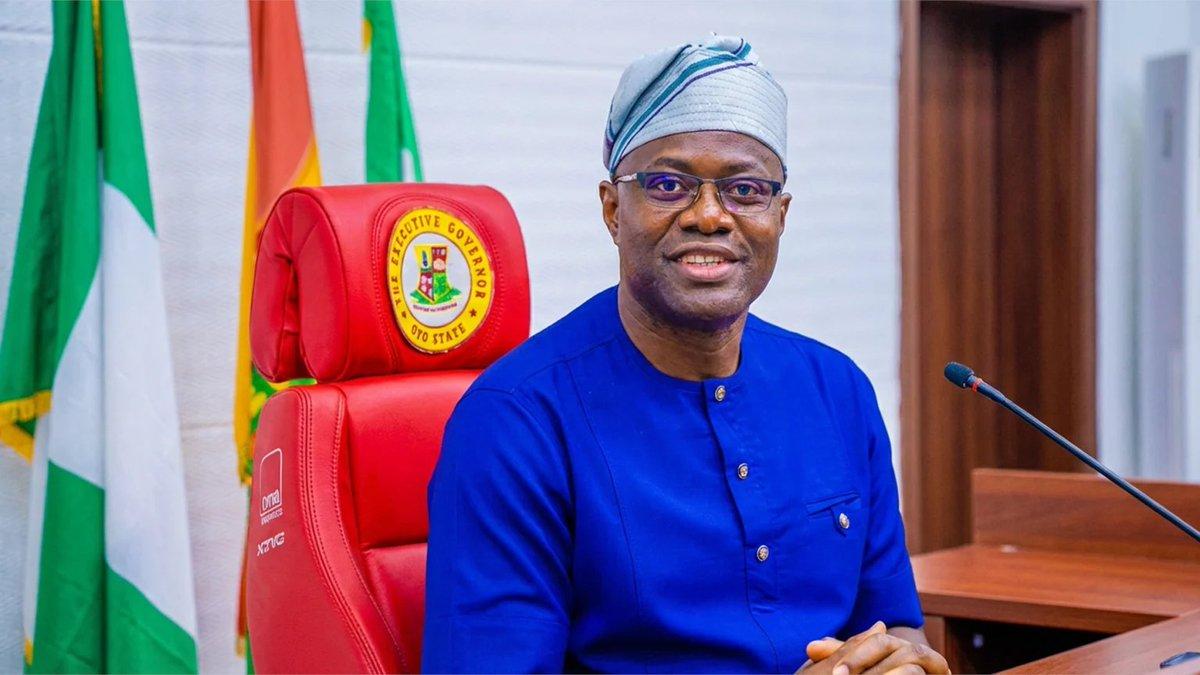
Oyo State Governor and APM presidential candidate Seyi Makinde has dismissed reports that he intends to withdraw from the 2027 presidential election in favor of former Vice President Atiku Abubakar. In a statement issued on Thursday, November 26, 2026, the Makinde-Daura Presidential Campaign Organisation rejected allegations by FCT Minister Nyesom Wike's media aide, Lere Olayinka, that Makinde had negotiated the position of Secretary to the Government of the Federation in exchange for stepping down. The campaign maintained that the governor remains committed to his RESET Nigeria agenda and proposed four-year transitional government. Although Makinde has acknowledged ongoing discussions involving Atiku and Peter Obi concerning possible opposition cooperation, no finalized agreement establishing a single presidential candidate or confirming his withdrawal has been announced.
Oyo State Governor and presidential candidate of the Allied Peoples Movement (APM), Seyi Makinde, has dismissed reports claiming that he intends to withdraw from Nigeria's 2027 presidential election in favor of former Vice President Atiku Abubakar, insisting that his ambition to lead the country remains unchanged. The denial was issued on Thursday, November 26, 2026, by the Makinde-Daura Presidential Campaign Organisation following speculation that the governor had negotiated an agreement to abandon his presidential bid and support Atiku, the candidate of the African Democratic Congress (ADC). The alleged arrangement reportedly included the possibility of Makinde becoming Secretary to the Government of the Federation in a future administration led by Atiku. However, the governor's campaign has categorically rejected those claims, maintaining that he remains committed to contesting the election on the platform of the APM.
The statement, signed by the campaign organization's Director of Strategic Communications, Richard Nnanna Ihediwa, sought to address growing uncertainty surrounding Makinde's political future following reports of consultations among prominent opposition presidential candidates. The organization maintained that its candidate remained committed to implementing his RESET Nigeria agenda and pursuing a four-year transitional administration focused on national unity. It also dismissed suggestions that Makinde's participation in discussions with other opposition leaders should be interpreted as evidence that he had surrendered his presidential ambition.
The controversy gained momentum following claims by Lere Olayinka, a media aide to the Minister of the Federal Capital Territory, Nyesom Wike, who alleged that Makinde was preparing to announce his withdrawal from the presidential race on Monday, November 30. Olayinka further claimed that the governor had negotiated a possible appointment as Secretary to the Government of the Federation in exchange for supporting Atiku's presidential campaign. Neither Makinde nor Atiku has publicly confirmed the existence of such an agreement, and the claims have not been independently substantiated through documentary evidence.
Olayinka's allegations extended beyond the presidential contest to the political arrangements within Oyo State, where he suggested that Makinde intended to merge aspects of his political organization with the ADC's campaign structures. According to his account, the proposed arrangement would also affect governorship and legislative candidates associated with the APM. Those assertions have generated additional controversy because they suggest that negotiations between opposition leaders could have consequences for candidates pursuing elective positions at different levels of government.
The Makinde campaign has rejected that interpretation, emphasizing that discussions among opposition politicians do not establish that its presidential candidate has agreed to withdraw. Ihediwa maintained that the governor had been consulting political stakeholders throughout Nigeria and remained focused on presenting his policy proposals to the electorate. The campaign also indicated that its preparations would continue according to its established schedule, despite speculation concerning possible arrangements with other presidential candidates.
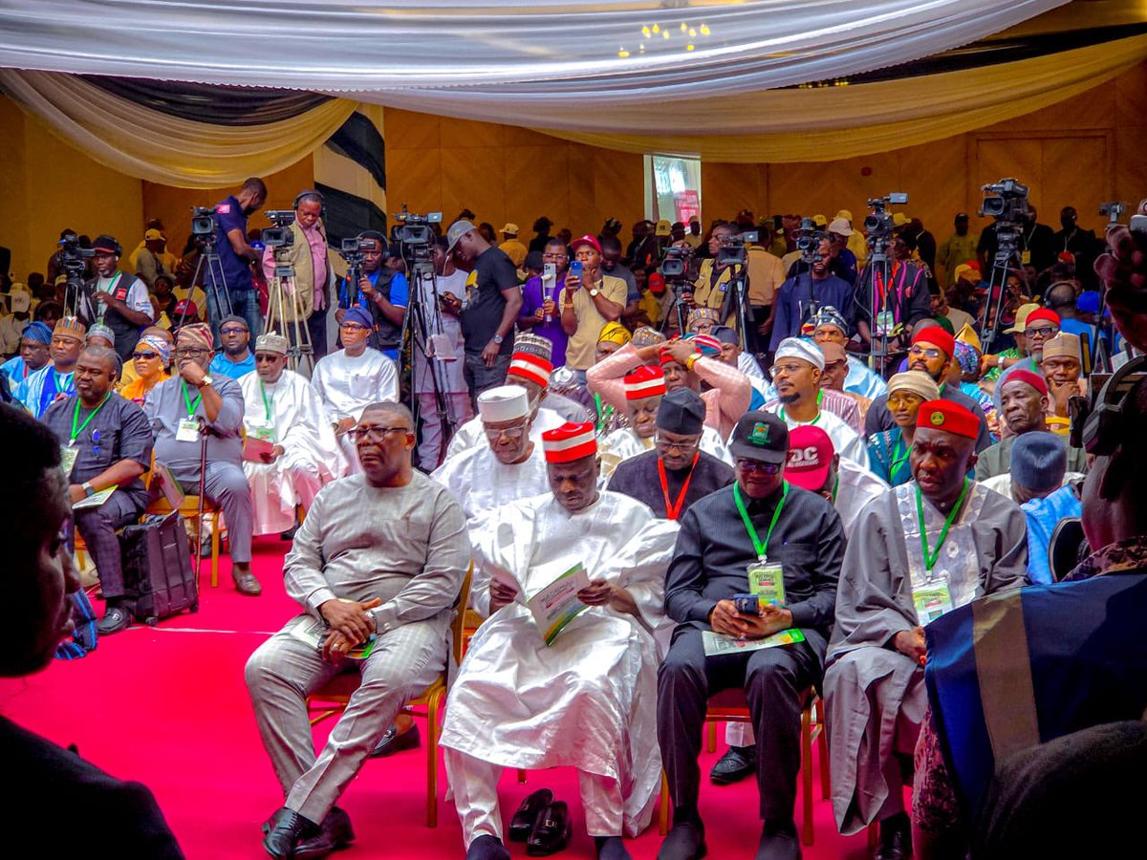
The denial comes at a particularly sensitive moment for Nigeria's opposition parties, which have been exploring opportunities for cooperation ahead of an election expected to feature several prominent political figures. President Bola Ahmed Tinubu is seeking a second term under the All Progressives Congress, while Atiku is contesting under the ADC, former Anambra State Governor Peter Obi is representing the Nigeria Democratic Congress (NDC), and Makinde is pursuing the presidency through the APM. Their respective political organizations have established campaign structures, presenting different policy positions and approaches to addressing the country's economic, security and governance challenges.
The possibility of cooperation among the opposition candidates has attracted considerable attention following Makinde's recent interview with media personality Chude Jideonwo. During that conversation, the Oyo governor indicated that he expected discussions involving Atiku, Obi and himself to produce some form of political arrangement ahead of the election. However, he distinguished the proposed cooperation from the opposition merger that produced the APC before the 2015 general elections, suggesting that any agreement reached by the current opposition candidates could operate through a different political framework.
Makinde's comments provided an indication that consultations were taking place, but they did not establish which candidate would ultimately receive the support of the others or whether any of them would withdraw. The distinction has become central to the controversy surrounding his presidential ambition. While political cooperation can involve the adoption of a common candidate, it can also take other forms, including agreements concerning electoral reforms, campaign conduct, security arrangements and shared policy priorities. The precise nature of the discussions among the opposition leaders remains uncertain.
Reporting by The Punch indicated that a person familiar with Atiku's political organization acknowledged that consultations involving Makinde and other opposition figures had been taking place. The source, who spoke anonymously, did not establish that the Oyo governor had reached a binding agreement to withdraw from the presidential race. Atiku's Senior Special Assistant on Public Communication, Phrank Shaibu, also questioned Olayinka's authority to make announcements concerning the ADC's political arrangements. The responses reinforce the distinction between ongoing political discussions and an officially concluded agreement.
The ADC has not publicly confirmed that Makinde will abandon his presidential bid or receive a government appointment in exchange for supporting Atiku. Similarly, no joint statement involving the presidential candidates has established the existence of a finalized opposition arrangement. Reports suggesting that an important meeting could take place on November 30 have nevertheless intensified expectations that further clarification may emerge regarding the direction of the consultations.
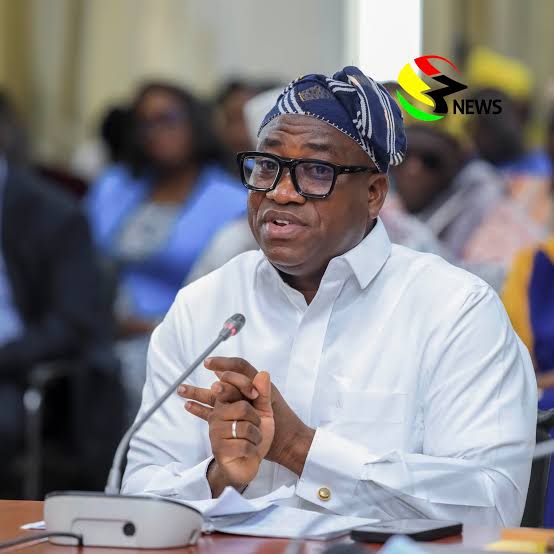
The involvement of Peter Obi adds another significant dimension to the discussions. Obi, who contested the 2023 presidential election under the Labour Party, subsequently emerged as a presidential candidate under the NDC, with former Kano State Governor Rabiu Musa Kwankwaso as his running mate. His participation in consultations with Atiku and Makinde reflects the continuing interest among opposition political organizations in exploring areas of cooperation. However, no verified statement establishes that Obi has agreed to withdraw from the contest or endorse another presidential candidate.
The current discussions draw attention to longstanding debates concerning the fragmentation of Nigeria's opposition political parties. Presidential elections can feature several candidates seeking support from overlapping constituencies, particularly where political organizations share criticisms of the incumbent administration but maintain different leadership structures. Negotiating cooperation under those circumstances can present considerable difficulties because each organization possesses its own candidates, supporters, policy commitments and institutional interests.
Nigeria's experience before the 2015 presidential election provides an important historical reference. Several opposition organizations merged in 2013 to establish the All Progressives Congress, bringing together political movements that had previously contested elections through separate platforms. The newly established party subsequently defeated the incumbent Peoples Democratic Party in 2015, resulting in Nigeria's first transfer of presidential power from a ruling party to an opposition organization through a general election.
However, the political circumstances surrounding the 2027 contest differ from those that preceded the formation of the APC. The principal opposition presidential candidates have emerged under separate political platforms, and their organizations have already invested substantial resources in developing campaign structures. Establishing a common arrangement at this stage would require consideration of existing nominations, electoral legislation, party constitutions and the responsibilities owed to candidates and supporters.
Makinde's suggestion that the proposed arrangement would differ from the 2015 merger indicates that the opposition leaders are considering alternatives to creating a single political organization. However, he has not publicly provided comprehensive details concerning the structure of that arrangement. The absence of a formal agreement has created considerable room for speculation, particularly regarding which candidates might remain in the presidential race and what responsibilities could be allocated to those participating in any future coalition.
The allegations concerning the position of Secretary to the Government of the Federation have attracted particular attention because of the importance of that office within Nigeria's federal administrative structure. The SGF coordinates important aspects of government policy implementation, supports the functioning of the Federal Executive Council and facilitates communication across ministries, departments and agencies. The position carries substantial administrative responsibilities and is filled through appointment by the president rather than through a separate nationwide election.
Political negotiations can sometimes involve discussions about appointments within a prospective administration, particularly where multiple political organizations are considering cooperation. However, such arrangements should not be presented as established facts without confirmation from the individuals or organizations involved. In Makinde's case, the claim that he had negotiated the SGF position has been expressly rejected by his campaign, and no confirmed agreement has been produced to substantiate it.
The controversy also carries implications for political candidates associated with Makinde's organization in Oyo State. Governorship and legislative candidates have invested in their respective campaigns based on the political platforms through which they emerged. Any major alteration to the party's national electoral strategy could create questions about existing campaign arrangements, particularly if cooperation with another organization extends beyond the presidential election.
Local reports have indicated that some APM candidates in Oyo have expressed concerns regarding the possibility of a broader agreement with Atiku's political organization. Those reports suggest that the interests of state-level candidates may not necessarily correspond with every proposal considered during national opposition consultations. Nevertheless, the extent of the reported disagreements remains unclear, and no comprehensive statement establishing a collective position among all affected candidates has been identified.
Makinde's presidential ambition represents a significant transition in his political career following two terms as governor of Oyo State. He first assumed office in May 2019 and secured re-election in 2023 under the Peoples Democratic Party. His subsequent involvement with the APM presidential platform reflects the considerable changes that have taken place within Nigeria's opposition political environment since the last general elections.
As governor, Makinde has developed a national political profile through his participation in discussions concerning federalism, economic development, party administration and the distribution of public resources. His presidential campaign has sought to build upon that experience by presenting a national policy framework under the RESET Nigeria agenda. The campaign organization maintains that its objective remains the establishment of a transitional government focused on addressing the country's outstanding challenges.
The proposed four-year transitional administration is among the features distinguishing Makinde's campaign message from those of other presidential candidates. His campaign has presented the idea as a mechanism for pursuing institutional reforms and national cooperation during a defined period. However, the effectiveness of such proposals would depend on their specific provisions, legislative support, financial requirements and implementation. A campaign commitment does not independently establish that the proposed reforms will be adopted or successfully executed.
For Nigerian voters, the discussions surrounding opposition cooperation are occurring alongside more immediate concerns about the country's economic and security conditions. Households continue to confront pressures involving food prices, transportation costs, employment opportunities and access to essential services. Businesses have also faced difficulties associated with financing, infrastructure and changing economic conditions, making the forthcoming presidential election an important opportunity for evaluating competing policy proposals.
National security remains another significant issue confronting the presidential candidates. Various communities continue to experience threats involving insurgency, kidnapping, organized criminal activity and communal conflict. Addressing those challenges will require the next administration to develop policies that strengthen public institutions, protect vulnerable communities and ensure accountability within the security framework. The ability of candidates to present credible and practical proposals on these matters remains an important consideration beyond the negotiations concerning political alliances.
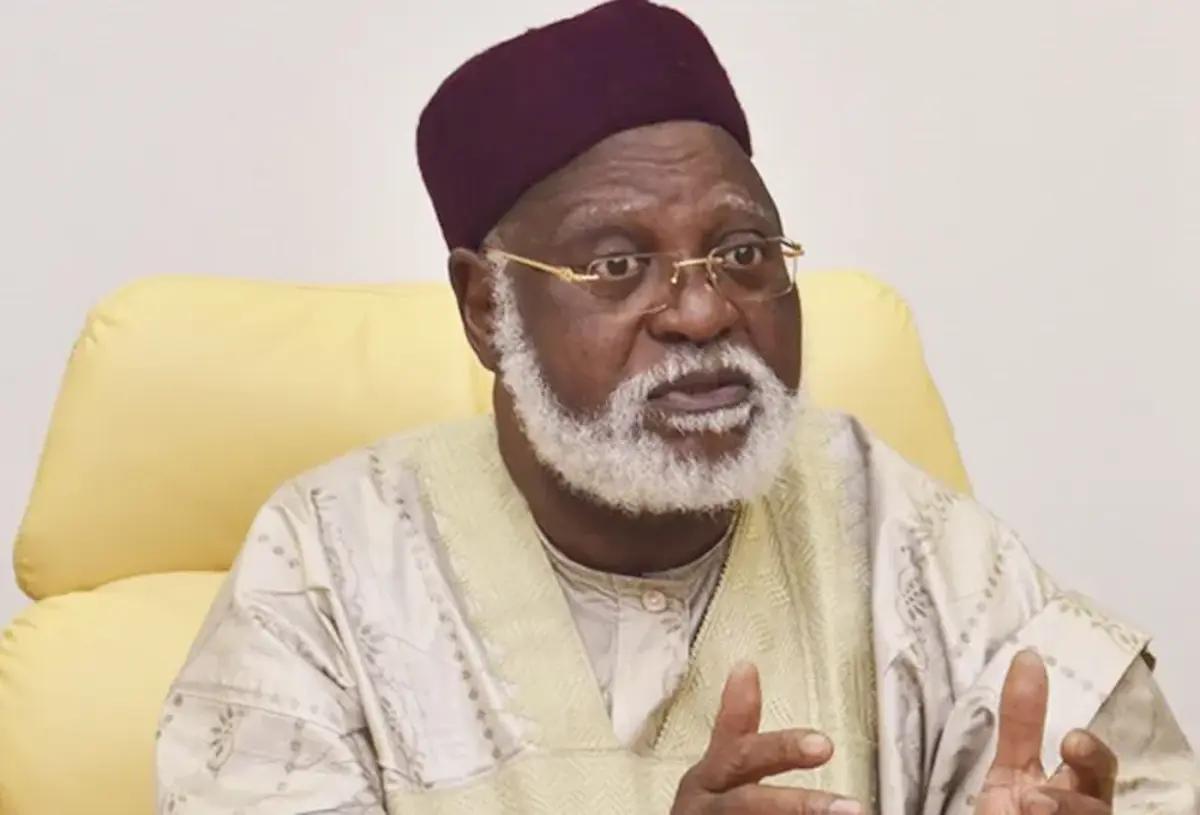
Atiku's presidential ambition similarly reflects his longstanding involvement in Nigeria's national political affairs. He served as vice president between 1999 and 2007 and has contested the presidency in several subsequent election cycles. His current campaign under the ADC represents another stage in his political career following changes in his party affiliation and the restructuring of opposition relationships.
The relationship between Atiku and Makinde has experienced periods of cooperation and disagreement over the years, particularly during their previous involvement with the PDP. Their differing positions during the 2023 election reflected broader divisions within the party concerning presidential nominations, regional representation and leadership arrangements. The latest consultations suggest that political figures who previously disagreed on particular issues remain willing to explore areas of cooperation, although the outcome of those discussions has not been established.
Peter Obi's involvement introduces further considerations because his political organization has developed its own presidential ticket, campaign priorities and organizational responsibilities. Cooperation involving the ADC, NDC and APM would consequently require decisions that account for the interests of all participating parties rather than simply establishing an arrangement between Makinde and Atiku. The absence of an officially announced agreement means that the eventual structure of those relationships remains open.
The APC, meanwhile, has publicly maintained that it remains focused on its own presidential campaign despite reports of opposition consultations. The governing party's position reflects the reality that discussions among rival candidates do not necessarily alter existing electoral arrangements until formal decisions are made. Tinubu's campaign will continue to face public scrutiny concerning the administration's record, just as opposition candidates will be assessed according to their proposed alternatives.
The approaching election also highlights the importance of distinguishing legitimate political negotiations from misleading information circulating through social media. Political figures and their representatives frequently use online platforms to communicate campaign developments, express opinions and respond to opponents. However, the rapid dissemination of unverified claims can create uncertainty among supporters and influence public perceptions before the relevant parties have established their official positions.
The allegations concerning Makinde's withdrawal illustrate how reports about private political discussions can acquire considerable attention despite the absence of definitive supporting evidence. Statements issued by individuals associated with competing political organizations should be assessed in light of their political affiliations and the evidence available to substantiate their claims. Official announcements from the candidates, their campaign organizations and relevant electoral authorities provide a more reliable basis for establishing whether a presidential candidacy has changed.
Any formal withdrawal from Nigeria's presidential election would also need to be assessed under the applicable electoral legislation and the Independent National Electoral Commission's procedures. Political endorsements and private agreements do not necessarily produce automatic changes to the official list of candidates. The legal consequences of a withdrawal would depend on the relevant deadlines, statutory requirements and actions undertaken by the parties concerned.
As of Friday, November 27, Makinde's campaign has maintained that he remains a presidential candidate and intends to continue his nationwide campaign activities. Atiku's organization has not confirmed the alleged agreement, while consultations involving other opposition leaders are reportedly continuing. The immediate issue is therefore not an established withdrawal but the uncertainty surrounding political discussions that may or may not produce a broader arrangement.
Attention will now turn toward the reported opposition engagements expected on November 30 and any subsequent announcements issued by the presidential candidates. A joint statement could clarify whether the participating political organizations have agreed on specific areas of cooperation or intend to maintain separate presidential campaigns. Until such information becomes available, the allegation that Makinde has already negotiated his withdrawal remains disputed.
The controversy has exposed the difficulties associated with coordinating opposition political organizations while preserving the autonomy of individual presidential candidates. Makinde has expressed willingness to participate in discussions with other opposition leaders, but his campaign has rejected the suggestion that those consultations have resulted in the abandonment of his presidential ambition. Atiku and Obi continue to pursue their respective political objectives, while the precise nature of any proposed cooperation remains unresolved.
As Nigeria moves closer to the 2027 presidential election, the significance of these negotiations will ultimately depend on the formal decisions reached by the parties involved and the policies presented to the electorate. Opposition cooperation may influence campaign arrangements, but it cannot substitute for the constitutional right of Nigerians to choose their leaders through voting. For now, Makinde's official position remains that he is contesting the presidency under the APM, while claims of an agreement to step down for Atiku remain unconfirmed and expressly denied by his campaign organization.