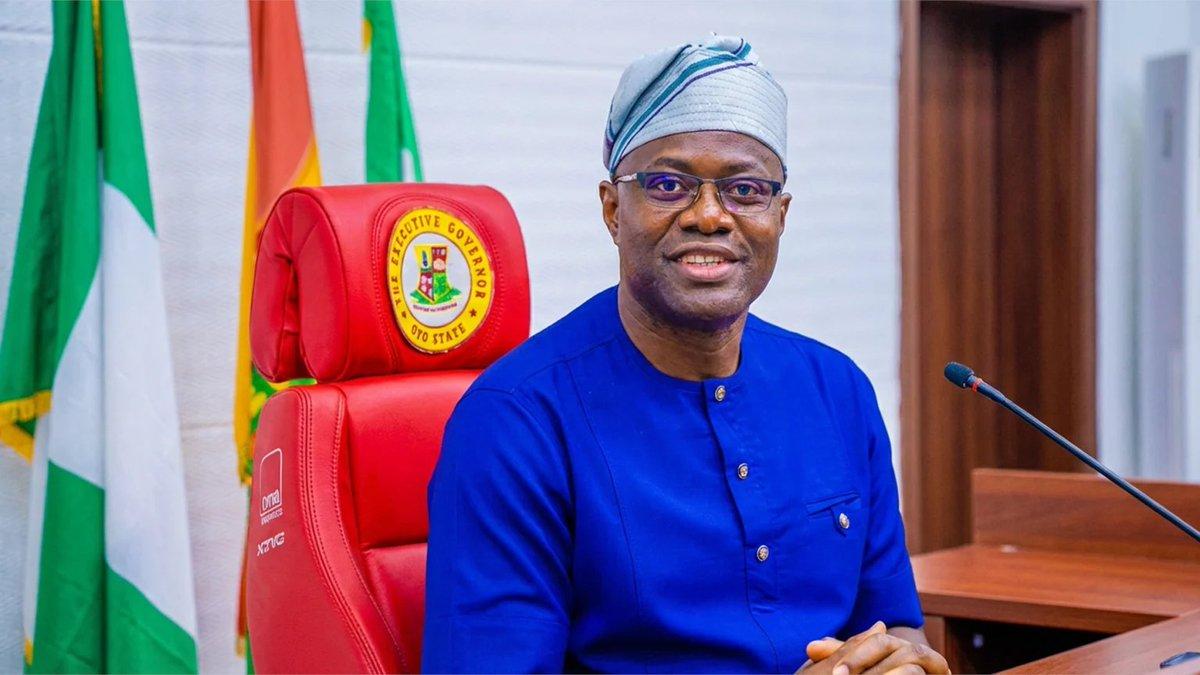
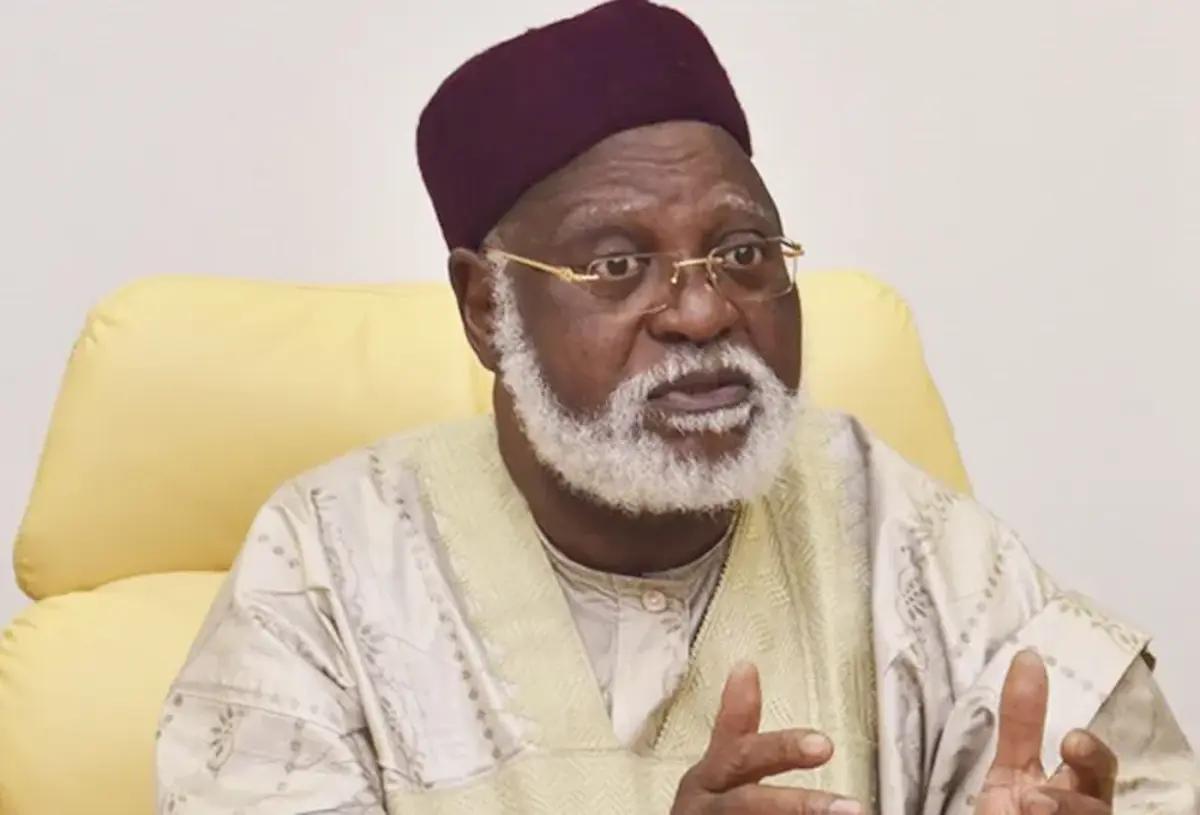
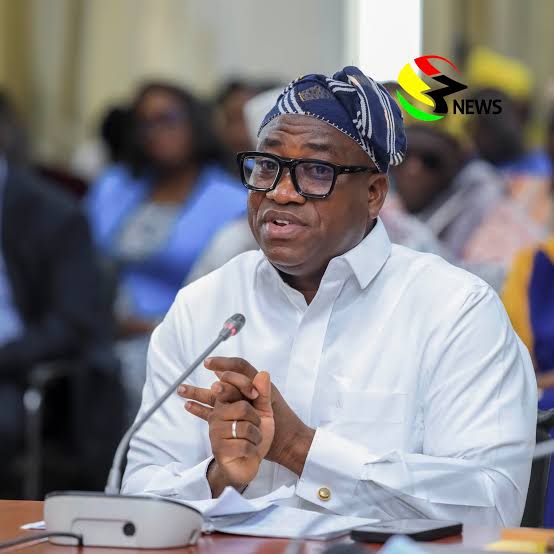
APC DISMISSES ATIKU, OBI AND MAKINDE COALITION TALKS AS OPPOSITION LEADERS PREPARE TO SIGN UNITY PACT AHEAD OF 2027 ELECTIONS
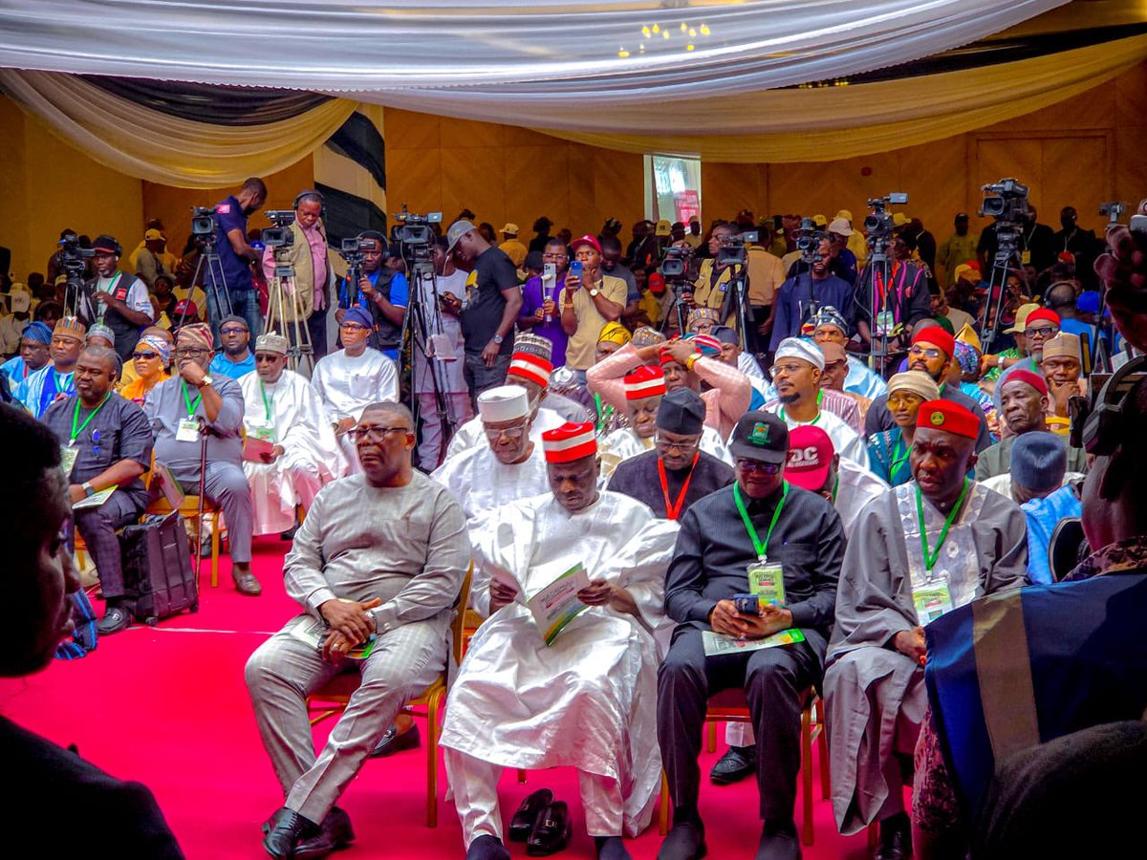
Nigeria's ruling All Progressives Congress has dismissed emerging alliance negotiations involving Atiku Abubakar, Peter Obi and Seyi Makinde, maintaining that the proposed cooperation will not undermine President Bola Ahmed Tinubu's re-election campaign. APC Director of Publicity Bala Ibrahim expressed confidence in the administration's record while acknowledging that the ruling party could encounter additional electoral challenges. Meanwhile, opposition leaders representing six political organizations are expected to meet at the Nigerian Air Force Conference Centre in Abuja on Monday, November 30, 2026, to consider three documents intended to establish a framework for political cooperation and national reform. However, competing presidential ambitions, the ADC's internal leadership dispute and statutory restrictions on candidate withdrawals remain unresolved issues confronting the initiative. No finalized agreement establishing a single opposition presidential candidate has been announced.
Nigeria's ruling All Progressives Congress has dismissed renewed efforts by opposition presidential candidates Atiku Abubakar, Peter Obi and Seyi Makinde to establish a united political front against President Bola Ahmed Tinubu ahead of the 2027 general elections. The APC's Director of Publicity, Bala Ibrahim, maintained that the proposed cooperation would not undermine the ruling party's electoral prospects, expressing confidence in the administration's record and its reception among supporters. His remarks, published on Friday, November 27, 2026, come as opposition leaders prepare for a major summit in Abuja on Monday, November 30, where representatives of six political organizations are expected to consider and adopt agreements intended to strengthen cooperation. The emerging negotiations have intensified discussions about whether Nigeria's opposition parties can overcome competing presidential ambitions and establish a common political strategy within the country's existing electoral framework.
Speaking to The Punch, Ibrahim dismissed the suggestion that cooperation between Atiku and Makinde would substantially alter the political environment confronting the APC. He acknowledged that the Oyo State governor possessed an established support base but argued that the proposed alliance would not necessarily translate into an electoral advantage for the opposition. Ibrahim maintained that the ruling party's assessment was informed by what it considers the achievements of Tinubu's administration and the support it has received from communities across the country.
“No form of agreement between Atiku and Makinde will frighten APC; it will not,” Ibrahim stated. The APC official acknowledged that the governing party would encounter additional challenges as the election approached but maintained that those difficulties could be overcome. His remarks reflect the ruling party's publicly declared confidence rather than an independently established assessment of how Nigerians intend to vote in the forthcoming presidential election.
Ibrahim also addressed reports concerning the political alignment of the faction of the Peoples Democratic Party associated with Minister of the Federal Capital Territory Nyesom Wike. The APC official maintained that Wike's support for Tinubu was consistent with longstanding political arrangements and did not represent an unexpected development. His comments highlighted the extent to which political relationships ahead of the 2027 election continue to extend beyond conventional party boundaries, with politicians from different organizations supporting candidates outside their formal party structures.
The APC's response comes as the Coalition for Democracy intensifies preparations for its November 30 opposition summit at the Nigerian Air Force Conference Centre in Abuja. Salihu Mohammed Lukman, one of the principal conveners of the initiative and a former APC national vice chairman, has disclosed that the gathering is intended to transform months of consultations into documented commitments. Organizers expect presidential candidates, political party officials and other stakeholders to consider proposals establishing a framework for cooperation despite their continued association with separate political organizations.
The six political groups involved in the initiative include the African Democratic Congress, Allied Peoples Movement, Nigeria Democratic Congress, Peoples Redemption Party, Social Democratic Party and a faction of the Peoples Democratic Party. Their participation reflects an effort to establish broader coordination among political organizations that have expressed concerns about the country's governance and electoral environment. However, the involvement of these groups does not establish that every participating organization has agreed to abandon its existing presidential ticket or electoral strategy.
Former Cross River State Governor Donald Duke, who is associated with the Peoples Redemption Party's presidential campaign, is also expected to participate in the Abuja discussions. His anticipated involvement demonstrates that the initiative extends beyond the three presidential candidates receiving the greatest attention in recent reports. Representatives of other political organizations, civil society groups and opposition stakeholders are expected to contribute to discussions concerning the institutional arrangements through which cooperation could be implemented.
Organizers have identified three documents for consideration at Monday's summit: the National Covenant for Democratic Renewal, the Framework for Opposition Unity and the National Reform Programme. These documents are intended to establish shared political principles, procedures for resolving disagreements and minimum policy commitments among participating organizations. Their preparation follows an earlier opposition summit held at the Yar'Adua Centre in Abuja on August 31, when working groups were established to develop proposals addressing the challenges of cooperation.
The organizers' emphasis on written commitments reflects recognition of the difficulties associated with informal political arrangements. Nigeria's opposition parties have experienced disagreements over leadership, presidential nominations and organizational authority, making it necessary to establish procedures that can accommodate competing interests. Written agreements may provide a clearer institutional basis for cooperation, but their effectiveness will depend on whether participating political leaders accept and implement the commitments contained within them.
The preparations have nevertheless left several important questions unanswered. Earlier discussions included proposals for a Single-Term Transition Charter and a Roadmap to a Common Presidential Candidate, neither of which has been separately identified among the three documents scheduled for consideration on November 30. Premium Times reported that organizers had not clarified whether those earlier proposals were incorporated into the new documents or would be addressed through separate negotiations. The absence of that information remains significant because the selection of a common presidential candidate represents one of the most politically sensitive questions confronting the alliance.
Makinde has publicly acknowledged that discussions involving Atiku and Obi are taking place, indicating that the participating politicians are exploring possible arrangements ahead of the election. In an interview with media personality Chude Jideonwo, the Oyo governor explained that the proposed cooperation would differ from the merger that produced the APC before the 2015 presidential election. His remarks established that the discussions were not merely speculative, although they did not identify a preferred common candidate or confirm that any of the participating presidential contenders would withdraw.
The governor subsequently faced allegations that he had negotiated an agreement to abandon his presidential ambition in favor of Atiku. Lere Olayinka, a media aide to Wike, claimed that Makinde would formally announce his withdrawal on November 30 and had negotiated the possibility of becoming Secretary to the Government of the Federation in a prospective Atiku administration. The allegations also suggested that Makinde's political organization in Oyo State would cooperate extensively with the ADC's candidates.
The Makinde-Daura Presidential Campaign Organisation rejected those claims in a statement issued on Thursday, November 26. Its Director of Strategic Communications, Richard Nnanna Ihediwa, maintained that Makinde remained committed to his presidential campaign under the APM and had not agreed to withdraw in favor of Atiku. The organization emphasized its continuing commitment to the RESET Nigeria policy agenda and its proposal for a four-year transitional administration.
That denial illustrates the difference between a politician's willingness to participate in coalition negotiations and an agreement to relinquish an existing presidential ambition. Discussions among opposition leaders can involve cooperation on electoral transparency, shared policy priorities and institutional reforms without necessarily requiring the adoption of a single presidential candidate. Until the participants announce a finalized agreement, suggestions that particular contenders have already surrendered their ambitions remain unsupported.
Atiku has similarly rejected reports that he intends to abandon his presidential campaign in favor of another opposition candidate. The former vice president's position became particularly relevant following announcements by some groups previously associated with his campaign that they had transferred their support to the presidential ticket comprising Peter Obi and former Kano State Governor Rabiu Musa Kwankwaso. Atiku's representatives maintained that those announcements did not reflect an authorized decision by the former vice president or the ADC.
The NDC, meanwhile, possesses an established presidential ticket involving Obi and Kwankwaso, both of whom contested the 2023 presidential election through separate political parties. The party's participation in wider opposition consultations introduces additional considerations because any agreement involving a common presidential candidate would need to account for the interests of its presidential and vice-presidential nominees. There has been no confirmed announcement that Obi or Kwankwaso has agreed to relinquish either position as part of the proposed arrangement.
The continuing determination of individual candidates to pursue their presidential ambitions represents a substantive challenge for the coalition. Each candidate has developed a political organization, secured endorsements and presented policy commitments to supporters. Negotiating a common electoral strategy would therefore require more than establishing agreement about opposition to the incumbent administration. Participating organizations would also need to determine how decisions are made, whose authority would govern their implementation and how disagreements would be resolved without destabilizing their existing structures.
Further complications arise from the continuing leadership dispute within the ADC. A Federal High Court judgment delivered earlier in November invalidated decisions associated with the party's leadership under former Senate President David Mark, creating uncertainty about the legal status of several organizational activities. Representatives of the ADC have challenged interpretations suggesting that the judgment automatically invalidates Atiku's presidential nomination, while appellate proceedings are ongoing.
The legal dispute is significant for the coalition because political agreements require clarity about which individuals possess authority to make commitments on behalf of their respective parties. A continuing disagreement over the legitimacy of national officers can complicate negotiations involving organizational resources, campaign arrangements and electoral decisions. However, the existence of the litigation does not independently establish that Atiku has withdrawn from the presidential contest, and the consequences of the disputed judgment remain subject to the judicial process.
Beyond individual ambitions and internal party disagreements, the opposition also confronts important statutory restrictions concerning the timing of electoral arrangements. According to an analysis published by Premium Times, the Electoral Act 2026 requires candidates seeking formal withdrawal to submit the necessary documentation through their sponsoring political parties at least 90 days before an election. For the presidential election scheduled for January 16, 2027, that deadline fell on October 18, 2026.
The reported expiration of the withdrawal deadline creates a fundamental distinction between political endorsement and a formal alteration of the presidential ballot. An opposition candidate may decide to support another contender politically, but such an announcement would not necessarily remove the endorsing candidate's name from the official list of presidential contestants. Political parties would need to establish whether any proposed arrangement complies with the applicable electoral legislation and the administrative requirements of the Independent National Electoral Commission.
A formal merger of political parties is also subject to separate legal procedures. Those requirements distinguish the present negotiations from the process that led to the creation of the APC in 2013, when opposition organizations consolidated their structures ahead of the 2015 general elections. The current coalition's proposals appear to emphasize cooperation among existing parties rather than the immediate creation of a new political organization, although the complete implementation framework has yet to be made public.
The legal limitations do not prevent opposition parties from cooperating in every respect. Organizations retaining separate identities can discuss common policy positions, coordinate lawful campaign activities and collaborate in efforts to promote electoral transparency. They may also issue political endorsements, provided their actions comply with applicable laws. The question is whether those forms of cooperation would satisfy the wider objectives expressed by political leaders seeking to establish a common presidential front.
The experience of the 2023 presidential election continues to provide important historical context for the current negotiations. Tinubu was declared the winner of that election after receiving approximately 8.79 million votes, while Atiku secured approximately 6.98 million and Obi received approximately 6.10 million. Kwankwaso, who contested under the New Nigeria Peoples Party, obtained approximately 1.50 million votes. The distribution of support among several major presidential candidates contributed to subsequent discussions concerning the implications of opposition fragmentation.
However, the combined votes received by separate candidates in a previous election cannot automatically be treated as votes that would have been secured by a single opposition candidate. Individuals support political candidates for different reasons, including policy preferences, regional considerations, personal confidence and party affiliation. A decision by political leaders to cooperate does not guarantee that their supporters will adopt the same electoral preference.
Nigeria's experience in 2015 also remains relevant to understanding the political debate. The formation of the APC brought together several opposition parties and political movements that had previously operated independently. The new organization subsequently defeated the incumbent PDP administration in the presidential election, resulting in the country's first transfer of presidential power from a governing party to an opposition party through democratic voting.
The circumstances surrounding the 2027 election nevertheless differ from those that existed before the 2015 contest. The current opposition candidates have already secured separate nominations, developed campaign structures and entered an advanced stage of electoral preparations. Establishing a unified arrangement at this point involves different legal and political considerations from creating a new party several years before an election. The relevance of the historical comparison therefore lies in understanding the challenges of cooperation rather than assuming that the same political outcome can be reproduced.
For the APC, the emerging negotiations are unfolding alongside its own preparations for Tinubu's re-election campaign. The ruling party continues to emphasize the administration's economic reforms, infrastructure initiatives and governance agenda while seeking to maintain support across different political constituencies. Ibrahim's remarks demonstrate the party's determination to present an image of confidence despite continuing discussions among its opponents.
The administration's economic policies remain among the principal subjects of public debate ahead of the election. Tinubu introduced significant changes to fuel subsidy arrangements and foreign exchange policy following his inauguration in May 2023, presenting those measures as necessary responses to longstanding economic difficulties. Supporters of the administration have defended the reforms as important steps toward economic restructuring, while critics have questioned their implementation and consequences for households experiencing rising living costs.
Those disagreements provide substantive issues for the forthcoming presidential campaigns beyond discussions about political alliances. Opposition candidates will have opportunities to explain how their proposed economic policies differ from those of the current administration, while the APC will be required to defend its record. Employment creation, food affordability, infrastructure development and access to essential public services are among the concerns that will continue to influence public evaluations of government performance.
National security represents another major area of interest for Nigerian voters. Communities across different regions continue to confront threats involving insurgency, kidnapping, organized crime and communal violence. Political organizations seeking national leadership face responsibilities to present clear approaches to protecting citizens, strengthening law enforcement and addressing the underlying conditions contributing to insecurity.
The coalition's proposed National Reform Programme could therefore become an important component of its political identity if participating parties agree on substantive policy commitments. A shared program would provide a basis for examining whether the proposed alliance extends beyond opposition to Tinubu's administration and encompasses common positions on national development. Its precise significance cannot yet be established because the complete document has not been made publicly available for independent assessment.
Electoral transparency has also emerged as an area in which opposition organizations believe cooperation is possible despite their separate presidential ambitions. Coalition representatives have identified the protection of votes and the credibility of polling procedures as shared priorities. Those objectives relate to concerns raised during previous electoral contests concerning voter accreditation, result management and the conduct of election officials.
INEC retains responsibility for administering elections and declaring official results in accordance with the applicable legislation. Political parties can participate through authorized representatives and raise concerns through established administrative and judicial procedures. Cooperation among political organizations on electoral integrity should therefore be distinguished from any attempt to interfere with the independent responsibilities of election officials.
The ruling party and opposition organizations also have responsibilities to ensure that political competition remains peaceful. Public disagreements concerning coalition arrangements, campaign strategies and government performance are legitimate features of democratic politics. However, those disagreements must not develop into intimidation, incitement or violence against political opponents and their supporters. Protecting the right of Nigerians to participate freely will remain an important measure of the credibility of the electoral process.
The planned Abuja summit provides an opportunity for opposition leaders to clarify several outstanding issues. These include whether the participants intend to endorse one presidential candidate, retain separate campaigns while coordinating particular activities or establish a broader agreement concerning governance and electoral reforms. Publication of the proposed documents would also allow members of the public to examine the commitments being considered and determine whether they contain practical mechanisms for implementation.
The attendance of the individual presidential candidates and their eventual acceptance of the proposed agreements will represent important developments to monitor. Although organizers have indicated that prominent opposition figures are expected to participate, the summit has not yet taken place. A scheduled signing ceremony does not establish that every expected participant has accepted the complete agreement or that negotiations concerning disputed provisions have been concluded.
For now, the APC has publicly rejected the suggestion that the emerging opposition alliance threatens Tinubu's presidential campaign, while the participating opposition organizations continue to explore mechanisms for greater cooperation. Makinde has denied reports that he is preparing to withdraw for Atiku, the former vice president has maintained his own presidential ambition, and the NDC continues to operate around the Obi-Kwankwaso ticket. These positions demonstrate that discussions about unity have not yet produced a confirmed agreement establishing a single presidential candidate.
As the November 30 summit approaches, the most significant outstanding question is whether the opposition leaders can translate their declared willingness to cooperate into transparent and enforceable commitments that respect electoral legislation and the interests of their respective parties. The APC's confidence and the opposition's determination represent competing political positions, neither of which establishes the eventual election result. Beyond the negotiations taking place among prominent politicians, the 2027 presidential election remains an opportunity for Nigerian citizens to evaluate competing records and policy proposals, exercise their democratic rights and determine the country's future leadership through the ballot.