
UNIVERSITY OF GHANA WARNS ACADEMIC CALENDAR COULD COLLAPSE IF GAUA STRIKE CONTINUES

The University of Ghana has warned that its 2026/2027 academic calendar could be severely disrupted if the GAUA strike continues into next week. Registration for the first semester has already been suspended, while student, financial, legal, library and other administrative services have been affected. Level 100 students are currently scheduled to report on October 12–13, continuing students on October 15–18, and teaching is due to begin on October 19. GAUA says about two months of negotiations with the Fair Wages and Salaries Commission have produced no significant progress on its outstanding grievances.
The University of Ghana has warned that its 2026/2027 academic calendar could be thrown seriously off course if the ongoing strike by the Ghana Association of University Administrators extends into next week, with registration already suspended and several critical administrative systems either unavailable or operating below normal capacity.
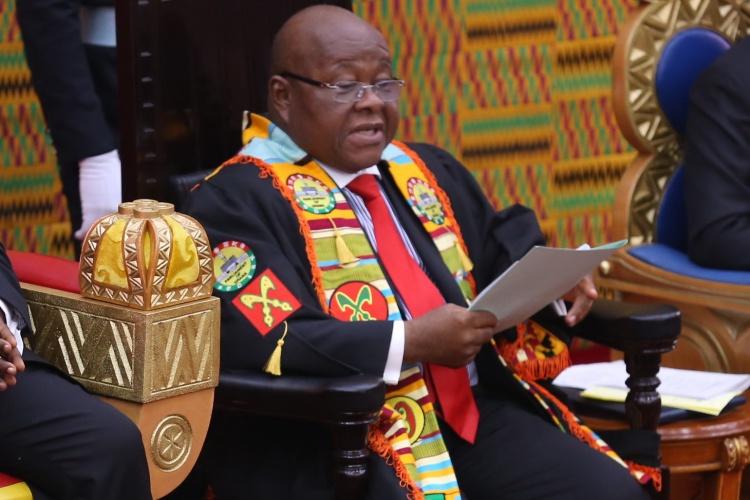
Pro-Vice-Chancellor Prof. Gordon Awandare issued the warning on Thursday as the nationwide industrial action continued to disrupt public universities. He said many of the systems required to prepare for the new academic year are managed by GAUA members who have withdrawn their services, leaving university management with limited room to keep normal operations running. The immediate concern is that Level 100 students are scheduled to report on October 12 and 13, continuing students are expected between October 15 and 18, and teaching is officially due to begin on October 19.
The University of Ghana has already suspended online registration for the first semester after students encountered difficulties accessing systems needed to complete the process. Management apologized to both new and continuing students and attributed the disruption directly to the GAUA strike. The university’s published academic calendar had originally set online course registration to run from October 5 to November 6, with add-and-drop activity beginning on October 12, making the current interruption particularly sensitive because it comes at the start of several overlapping administrative deadlines.
Awandare said the university is attempting to maintain essential functions, but acknowledged that it cannot fully replace administrators whose roles are tied to student records, legal services, financial operations, libraries and other core systems. His warning was unusually direct: if the strike continues into next week, the university may have to reorganize the academic calendar rather than simply absorb a short delay.
That possibility would affect more than registration. The university’s current undergraduate calendar schedules orientation for new students from October 14 to 16, the arrival of continuing students by October 18, the start of teaching on October 19 and matriculation on October 31. Any extended disruption to student registration, course allocation or administrative processing could create knock-on problems for teaching schedules, accommodation, fee confirmation, class lists and other systems that depend on completed enrollment records.
The situation is especially serious because the strike affects administrators rather than lecturers alone. University administrators perform a wide range of functions that are not always visible to students but are essential to the operation of an academic institution. They manage admissions, student records, examinations, payroll, procurement, legal services, financial approvals, libraries, human resources and institutional planning. When those functions are interrupted, academic staff may still be available to teach, but the administrative structure needed to support teaching can become increasingly difficult to maintain.
GAUA says the current industrial action followed months of unsuccessful negotiations with the government over outstanding conditions of service, including the payment of negotiated and approved allowances and what the association describes as disparities in benefits available to university administrators. National General Secretary Charles Jojo Aidoo said Thursday that the union has been engaging the Fair Wages and Salaries Commission for about two months without meaningful progress and that none of its six or seven major grievances has been resolved.
The association has stressed that not all of its demands are monetary. According to GAUA, several outstanding issues concern conditions of service, institutional treatment and disparities in administrative benefits. The union says frustration among members has increased because discussions have continued without producing concrete implementation.
The current strike followed an earlier round of industrial action in August. GAUA declared a strike on August 10 but temporarily suspended it on August 19 to allow further talks with the Fair Wages and Salaries Commission, the Ghana Tertiary Education Commission and the Education Ministry. The suspension was intended to create room for negotiations, but the union later resumed industrial action after concluding that sufficient progress had not been made.
At the University of Ghana, the current phase of the strike began in mid-September. The university branch of GAUA instructed members to withdraw from all official duties, including work performed physically, remotely or virtually. The branch also warned management against pressuring members to participate in meetings, training sessions or other administrative assignments while the national strike remained in force.
GAUA-UG subsequently accused management of attempting to compel some members to work during the industrial action and urged the university to respect the union’s right to strike. The branch said members should not be threatened with transfers, withheld promotions or other adverse treatment because of their participation in the strike. University management has not publicly accepted those allegations as established facts, but the dispute has added another layer of tension between administrators and the institution they serve.
The nationwide nature of the industrial action means the disruption is not confined to Legon. Kwame Nkrumah University of Science and Technology has also reported reduced administrative capacity, with some students and national service personnel being asked to return later for services that could not be completed immediately. Some offices responsible for payroll and audit functions have been affected, although key units including finance, registry and examinations have continued operating with reduced capacity.
The University of Ghana appears to be facing a more immediate calendar problem because the strike coincides directly with the opening of the 2026/2027 academic year. Its registration systems, student services and academic timetable are all entering peak demand at the same time that administrators are withholding labor.
The official calendar shows how compressed the next several weeks are. Level 100 students are due to report on October 12 and 13 and begin orientation immediately afterward. Continuing students start arriving from October 15, and formal teaching begins four days later. Matriculation follows less than two weeks after the start of lectures. The university therefore has limited flexibility if registration and other administrative systems remain unavailable.
A short disruption might be managed through extensions or revised deadlines, but a prolonged strike could require the university to change reporting dates, delay teaching or move subsequent academic activities. Because examinations, interim assessments and semester breaks are scheduled months in advance, shifting the start of the semester can eventually affect the entire academic year.
That is what Awandare’s warning reflects. The concern is not simply that students cannot register today, but that the sequence of activities on which the semester depends could begin to collapse if the administrative backlog becomes too large.
The university has not yet announced a revised calendar. As of Thursday, the October 19 teaching date remains the official position. Management’s warning therefore represents a contingency rather than a confirmed postponement. Students should not assume that reopening or teaching has already been canceled unless the university issues a formal notice.
The strike also raises broader questions about how Ghana handles labor disputes in public universities. University systems rely on several organized labor groups, including teaching staff, administrators and other senior and junior employees. When negotiations over salaries, allowances or conditions of service fail, industrial action can affect entire institutions even when only one category of workers withdraws services.
GAUA’s role is particularly significant because its members occupy many of the administrative positions required to translate academic decisions into operational reality. A university can have lecturers available and students ready to return, but without functioning registration, records, finance and examinations systems, normal academic activity becomes increasingly difficult.
The Fair Wages and Salaries Commission is central to the current negotiations because it manages public-sector compensation structures and is involved in determining how negotiated benefits fit within government pay policy. GAUA says discussions with the commission have not resolved its concerns despite repeated meetings.
The union has nevertheless indicated that it remains willing to negotiate. Its leadership has said the strike could be suspended if government produces meaningful progress on the outstanding issues. That leaves open the possibility of a settlement before the University of Ghana reaches the point where management feels compelled to change the calendar.
The Education Ministry has previously intervened in talks between GAUA and other government institutions, including during the August suspension. The immediate pressure on the ministry has now increased because the consequences are becoming visible to students and parents rather than remaining confined to negotiations over staff conditions.
The strike is also unfolding alongside other labor tensions in Ghana’s education sector. Teacher unions have been pressing government over outstanding conditions of service and allowances, creating simultaneous disruption in parts of the pre-tertiary and tertiary education systems. That wider context has intensified public concern that unresolved labor disputes could undermine the government’s efforts to restore predictable academic calendars.
For students at Legon, the immediate impact is practical rather than political. New students need to confirm admission, complete registration and prepare for orientation. Continuing students need to register courses, resolve fee issues and access university systems. Delays at this stage can create confusion over whether students are properly enrolled and whether they can participate fully once teaching begins.
The university’s online registration system is particularly important because course registration feeds into class lists, examination records and academic tracking. If significant numbers of students are unable to complete registration before teaching starts, departments may have incomplete enrollment data and students may face difficulties establishing their official academic status for the semester.
Administrative delays can also affect accommodation and financial processes. Some students rely on confirmed registration for access to particular university services, while bursary, scholarship and sponsorship arrangements may require up-to-date enrollment information.
The current disruption therefore has the potential to affect students unevenly. Those who complete administrative steps early or have fewer registration complications may experience relatively little difficulty, while students with admission questions, fee disputes, deferred courses or other special cases may be more dependent on staff who are currently unavailable.
Graduate students face a different set of deadlines but could also be affected by prolonged disruption. The University of Ghana’s graduate calendar includes registration, orientation, dissertation deadlines and examination processes running through the final months of 2026. Administrative services required to process those activities overlap with the functions affected by the GAUA strike.
The immediate focus, however, remains on the undergraduate reopening timetable because the next critical dates are only days away.
The dispute also highlights the challenge of maintaining continuity in universities where many administrative systems depend on specialist employees rather than easily replaceable staff. Senior administrators often hold institutional knowledge, access permissions and statutory responsibilities that cannot simply be transferred overnight to lecturers or temporary workers.
That means management’s ability to circumvent the strike is limited even where it wants to keep systems functioning. Awandare’s statement acknowledged that constraint directly, saying the university can only provide what it can manage in the absence of GAUA members.
This also helps explain why university management has appealed to government rather than presenting the dispute as something it can resolve internally. The conditions of service at issue are tied to national public-sector negotiations and therefore extend beyond the authority of individual universities.
GAUA, meanwhile, appears to be using the timing and breadth of its withdrawal to increase pressure on the government. A strike during a quieter period can be disruptive, but one that affects admissions and registration at the start of an academic year creates much greater urgency.
The union has not announced a fixed end date. Its position remains that members will stay away until the national leadership directs otherwise, meaning resolution depends primarily on negotiations rather than the passage of time.
For the University of Ghana, the most important threshold is now next week. If administrators return quickly enough, management may be able to reopen registration, extend deadlines and preserve most of the existing calendar. If the strike continues, the accumulated backlog could make the October 19 teaching date increasingly difficult to sustain.
Any reorganization would likely require consultation across colleges, schools and administrative units because changing one date affects multiple later activities. The university would also need to communicate clearly with students who may already be traveling to Accra based on the published reporting dates.
That communication will become increasingly important over the coming days. Students should rely on official University of Ghana notices rather than assume that warnings about possible disruption amount to an announced postponement.
As of October 8, the confirmed position is that first-semester registration has been suspended because of the strike, several administrative services are affected, and the official academic calendar remains in place. Management has warned that this position may no longer be sustainable if the strike continues into next week.
The wider dispute remains unresolved. GAUA says months of talks have produced no significant progress, while the university says its ability to operate normally is being constrained by the absence of administrators. Government negotiators are therefore facing a narrowing window in which a settlement could prevent the labor dispute from becoming a full academic-calendar crisis.
For the University of Ghana, the next few days are likely to determine whether the problem remains a serious but manageable registration delay or develops into a broader restructuring of the semester. The institution has not yet canceled reopening or teaching, but its own Pro-Vice-Chancellor has now made clear that the existing timetable cannot be taken for granted if administrative systems remain unavailable. The immediate test is whether government and GAUA can reach enough agreement to restore services before students begin arriving in large numbers next week.